
Quartz Countertop Silicosis Crisis Sweeps California Workers
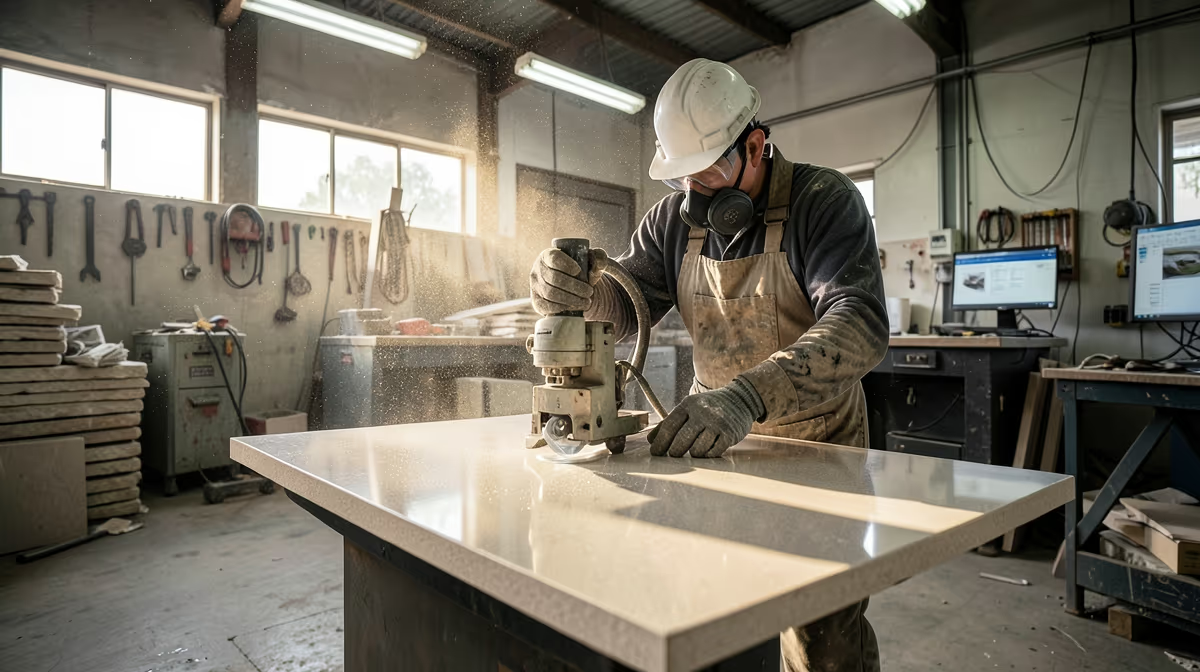
A recent public health investigation highlights a severe quartz countertop workers silicosis epidemic unfolding across California, raising urgent questions about workplace safety in the engineered stone industry. A public health study covering the period from 2019 to 2026 has revealed a severe silicosis epidemic among California workers fabricating engineered stone, resulting in dozens of deaths and hundreds of illnesses. Recent public health alerts and comprehensive research published in August 2026 have brought national attention to the devastating impact of engineered stone exposure on stonecutters and fabrication workers.
Understanding the California Silicosis Crisis
The findings highlight the extreme risks associated with cutting, grinding, and polish-intensive procedures involving quartz materials, which contain high concentrations of silica dust. Experts and affected workers have increasingly raised alarms over the severe hazards tied to fabricating a product that has generated intense scrutiny regarding workplace safety standards and worker protections. Public health agencies and media outlets, including the Los Angeles Times, CIDRAP, and local reports, continue to document the unfolding crisis. The reports emphasize the urgent need for stringent safety measures, regulatory enforcement, and awareness surrounding the dangers of occupational silica exposure in the countertop industry.
A severe lung disease epidemic is heavily impacting workers who cut and shape engineered quartz countertops in California. A newly published study reveals that nearly 600 workers have fallen ill and 31 have died from silicosis, an incurable condition caused by breathing in fine silica dust. Engineered stone has become very popular in home kitchens and bathrooms because of its durability and look. However, unlike natural stone, artificial quartz contains extremely high levels of silica. When workers cut, grind, and polish these slabs without proper safety equipment or water suppression, they breathe in microscopic dust particles that scar and destroy their lung tissue over time.
Key Findings and Impact on Stonecutters
Silicosis is one of the oldest known occupational diseases in the world, traditionally affecting miners, construction workers, and sandblasters. The rapid rise of engineered quartz in recent decades has introduced a modern wave of the disease because the manufactured material releases much higher concentrations of toxic silica dust. This outbreak highlights a major public health crisis hidden inside the home improvement industry. It shows how everyday consumer products can carry a devastating human cost for the laborers who manufacture them, exposing critical gaps in workplace safety and enforcement.
- A study covering the period from 2019 to 2026 documented 31 deaths linked to stone countertop exposure.
- Nearly 600 workers in California have fallen ill with the incurable lung disease silicosis.
- The outbreak is specifically tied to workers fabricating engineered stone, commonly known as quartz countertops.
- Engineered stone contains significantly higher levels of silica compared to natural stone materials.
- The condition is caused by inhaling microscopic dust particles generated during the cutting and polishing processes.
Workers who fabricate stone countertops—specifically quartz cutters and polishers—face the highest risk of occupational exposure. Many of these affected individuals are young laborers who experience rapid and aggressive forms of the disease.
Root Causes and Structural Analysis
The root cause of this public health emergency stems from the widespread manufacturing and cutting of high-silica engineered stone quartz countertops without adequate occupational health protections, dust suppression, or regulatory enforcement. Politically, this has created friction characterized by regulatory failure at state and federal levels to anticipate the health hazards of engineered stone, pitting worker safety advocates and labor organizations against commercial stone fabrication industries. Economically, the rapid market rise of affordable, aesthetically favored quartz countertops driven by consumer demand outpaced safety compliance and shifted heavy healthcare and human costs onto vulnerable, often immigrant, labor forces.
Analysts also point to a potential systemic undercount of silicosis cases due to misdiagnosis, lack of health insurance among undocumented or marginalized stonecutters, and the delayed latency period of the disease. This situation bears a historical parallel to the Hawks Nest Tunnel disaster of the 1930s, where hundreds of workers contracted acute silicosis due to extreme dust exposure and corporate neglect.
Regulatory Responses and Engineered Stone Safety Measures
State health agencies and policymakers may face increasing pressure to introduce stricter regulations, safety compliance checks, or bans on engineered quartz products. Analysts expect heightened scrutiny on the engineered stone industry, leading to urgent calls for enhanced worker protections, stricter enforcement of safety standards, and potential legal liabilities for manufacturers.
The one sentence a reader must not miss The documented toll of 31 deaths and nearly 600 illnesses among California stonecutters highlights an urgent need for enforceable safety mandates across the engineered stone industry.
Media coverage and public health alerts regarding the California quartz countertop silicosis study continue to drive discussions on occupational safety and engineered stone regulations. The best-case scenario involves the rapid adoption of stricter safety protocols and wet-cutting techniques across all fabrication shops, alongside comprehensive health screening programs that catch cases early and prevent further fatalities. Conversely, the worst-case scenario points to a continued rise in severe illness and fatalities among vulnerable workers before effective regulatory enforcement can be fully implemented and enforced across the industry.
Frequently Asked Questions
What is the quartz countertop silicosis epidemic in California?
A severe public health crisis has emerged involving stonecutters and fabricators developing an incurable lung condition known as silicosis. Recent studies covering the period from 2019 to 2026 document dozens of deaths and hundreds of severe illnesses linked directly to occupational exposure.
How many workers have been affected by the lung disease?
Recent studies and public health alerts reveal that nearly 600 workers have fallen ill with the disease, with at least 31 recorded deaths. Experts emphasize that these figures reflect a rapidly growing epidemic among vulnerable stone fabricators.
Why are quartz countertops causing severe health issues?
Engineered stone and quartz countertops contain exceptionally high levels of silica. When workers cut, grind, or polish these materials, they inhale fine silica dust that causes severe, irreversible scarring in the lungs.
Who is most at risk for developing silicosis from engineered stone?
Workers who fabricate stone countertops—specifically quartz cutters and polishers—face the highest risk of occupational exposure. Many of these affected individuals are young laborers who experience rapid and aggressive forms of the disease.
What are the recent findings from the California silicosis study?
The latest research documents an alarming acceleration in diagnosed cases and fatalities among stonecutters across California. Public health officials and investigative reports highlight that many workers suffer from advanced pulmonary damage despite some existing safety regulations.
What measures are being taken to address the quartz silicosis crisis?
Public health agencies are issuing urgent alerts, increasing workplace monitoring, and evaluating stricter regulations or potential bans on certain engineered stone products. Advocacy groups and officials continue to push for better safety equipment and enforceable protections to stop further exposures.
Conclusion
Public health studies and documented records confirm that 31 workers have died and nearly 600 have fallen ill with silicosis due to engineered stone exposure in California between 2019 and 2026. As media coverage and public health alerts continue to illuminate this occupational crisis, state health agencies, policymakers, and industry stakeholders face mounting pressure to enforce stricter safety standards, deploy wet-cutting techniques, and implement comprehensive worker protections to prevent further casualties.
Sources
- 31 dead, nearly 600 ill due to lung disease linked to stone countertop exposure: study — KOMO
- Public Health Alerts: Silicosis among workers fabricating engineered stone (‘quartz’) countertops in California, 2019-2026 — CIDRAP
- Hundreds of California quartz countertop workers developed an incurable lung condition. Dozens died — KCRA
- Hundreds of California stonecutters fall ill with deadly disease ‘for a product we do not need’ — Los Angeles Times
- New Research Documents Growing Silicosis Epidemic Among Quartz Countertop Workers | Newswise — Newswise


.webp)

