
India 6th Gen Fighter Push Stuns Defense Experts Across Global Markets
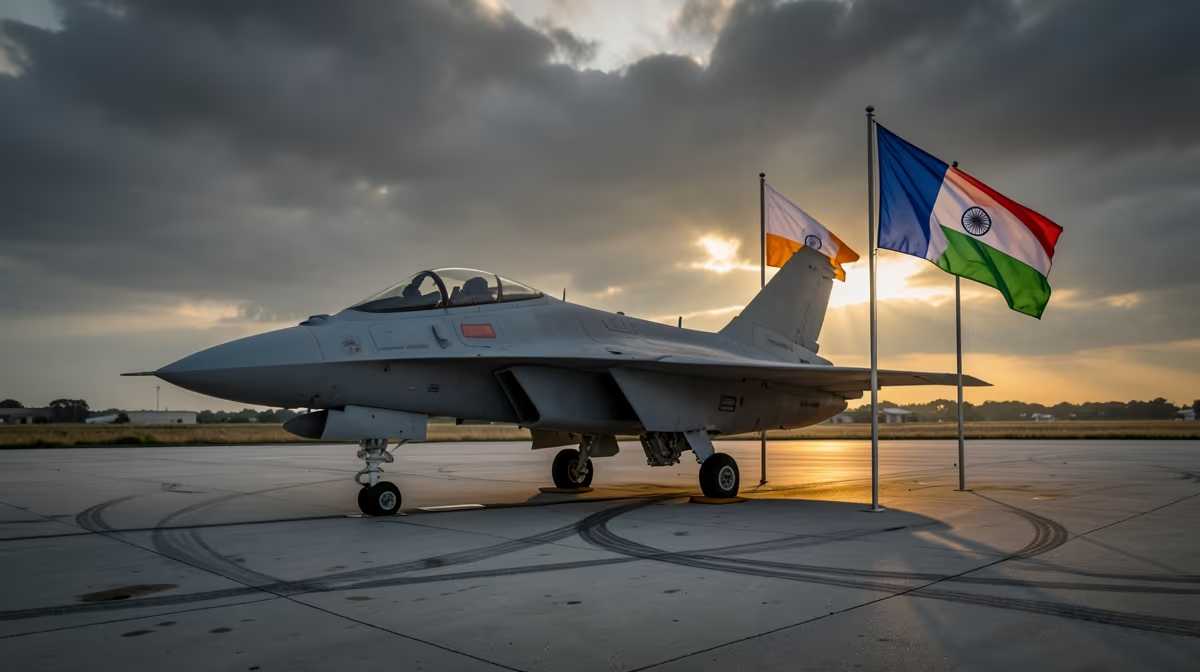
As global defense dynamics shift rapidly, India 6th gen fighter ambitions have taken a major leap forward through potential international cooperation. India has initiated efforts to join the French-led Future Combat Air System (FCAS) sixth-generation fighter jet program, balancing its domestic Advanced Medium Combat Aircraft (AMCA) ambitions with next-generation international technology cooperation.
Strategic Outreach to Paris
Recent reports indicate that India is in talks to co-join the French sixth-generation fighter initiative. This strategic move aims to acquire advanced next-generation combat capabilities while simultaneously continuing the development of indigenous aviation projects like the AMCA. The push toward the French-led FCAS program reflects New Delhi's growing interest in securing cutting-edge defense technologies through international collaboration.
Defense analysts note that participating in such high-end global programs could significantly accelerate India's aerospace technological readiness. While discussions are underway, balancing this prospective foreign partnership with domestic manufacturing mandates remains a key consideration for policymakers. Further developments will likely outline the framework of how India intends to integrate foreign sixth-generation tech insights with its home-grown defense platforms.
Understanding the Technology Gap
India is taking steps to join forces with France on its advanced sixth-generation fighter jet program, known as the Future Combat Air System. As military technology evolves, countries are looking past standard modern jets to develop next-generation aircraft equipped with cutting-edge capabilities. While India continues to work on its own domestic Advanced Medium Combat Aircraft project, partnering on a European program could help bridge technological gaps and accelerate future air defense development. Talks are currently underway as the Indian government explores how to integrate into this high-tech international partnership.
- India has initiated efforts to join the French-led sixth-generation Future Combat Air System program.
- The move involves balancing India's domestic Advanced Medium Combat Aircraft initiative with next-generation international technology.
- The Centre has confirmed that discussions are taking place regarding India's potential participation in the fighter jet program.
- Sixth-generation fighter jets represent the absolute cutting edge of military aviation, featuring unprecedented maneuvers and advanced tech.
- Reports regarding these strategic defense talks emerged strongly across major news outlets in August 2026.
Geopolitical Alignment and Industrial Strategy
Collaborating on a sixth-generation fighter jet program could dramatically reshape India's aerospace capabilities and defense manufacturing landscape. By seeking partnerships with nations like France, India aims to stay ahead of regional security challenges and acquire advanced aviation technologies much faster than it could alone. The Indian military, domestic defense manufacturing sectors, and international aerospace partners like France will directly feel the effects of this technological cooperation and defense alignment. Developing fighter jets requires immense financial investment, specialized engineering expertise, and decades of research. Historically, nations often form international coalitions to share the massive costs and technological burdens of building next-generation military aircraft.
This maneuver demonstrates the deepening strategic and defense autonomy alignment between New Delhi and Paris, bypassing traditional supply relationships to seek co-development partnerships. Pooling resources for sixth-generation technology sharing could mitigate skyrocketing research and development costs while offering mutual industrial benefits under 'Make in India' and European defense frameworks. At the same time, it reflects a diversifying defense procurement strategy that strengthens European-Asian security cooperation amidst rising regional tensions involving advanced military capabilities in Asia.
Timelines and Integration Challenges
Potential friction between integrating external sixth-generation programs like the French FCAS and prioritizing India's indigenous Advanced Medium Combat Aircraft project remains a core operational challenge. This builds on India's historical defense technology partnerships with France, such as the Mirage series and modern Rafale acquisitions, which gradually transitioned from direct purchases to deeper industrial cooperation.
- India initiates formal discussions and efforts to explore joining a major sixth-generation fighter program.
- Strategic talks advance regarding co-joining the French-led FCAS framework while balancing domestic production goals.
- Ongoing evaluation of technology transfer terms and integration challenges with the indigenous AMCA pipeline.
India has initiated efforts to join the French-led FCAS sixth-generation fighter program while balancing its domestic AMCA project.
Future Outlook and Expert Projections
Continued diplomatic and defense discussions are expected following reports that India has initiated efforts to join the French-led FCAS sixth-generation fighter program, balancing it with domestic projects like the AMCA. Defense analysts and officials will likely elaborate further on the strategic implications of India's potential involvement in the French sixth-generation fighter initiative and how it impacts regional aerospace cooperation. Analysts would likely expect that while joining a foreign sixth-generation program offers advanced technological pathways, India will have to carefully manage resource allocation between this international effort and its indigenous AMCA development.
In the best-case scenario, India successfully negotiates a collaborative framework within the French-led FCAS program, accelerating its next-generation defense capabilities while successfully sustaining its domestic AMCA project. Conversely, the worst-case scenario entails discussions stalling over technology transfer terms or cost-sharing disagreements, creating friction between domestic defense priorities and international collaboration goals.
Frequently Asked Questions
What program is India looking to join for its sixth-generation fighter ambitions?
India has initiated efforts to co-join the French-led Future Combat Air System (FCAS) sixth-generation fighter program.
How does this initiative affect domestic aerospace projects?
India is working to balance this international aerospace outreach with its domestic Advanced Medium Combat Aircraft (AMCA) development.
What are the key areas of impact identified by defense analysts?
Key impact areas include defense and aerospace, international relations, and military technology, requiring careful resource allocation and technology transfer terms.
Conclusion
India has officially initiated efforts to explore joining the French-led FCAS sixth-generation fighter program while simultaneously managing its domestic Advanced Medium Combat Aircraft project. As diplomatic and defense discussions continue between New Delhi and Paris, the strategic implications of international technology sharing versus domestic self-reliance will remain central to India's aerospace future. Realistic next steps involve further elaboration from defense officials on partnership frameworks, technology transfer terms, and resource allocation between foreign collaboration and indigenous manufacturing goals.
Sources
- India knocks on France’s door for sixth-gen fighter — newindianexpress.com
- World’s First Sixth Generation Fighter Demonstrates Unprecedented New Manoeuvres in China — Military Watch Magazine
- India in talks to co-join french 6th-Gen FCAS programme: balancing domestic AMCA with next-gen tech — Aerospace Global News
- India Has Initiated Efforts To Join 6th-Generation Fighter Jet Programme: Centre — ndtv.com
- India steps up sixth-gen fighter push, moves to co-join French-led FCAS — The Times of India
- India Enters 6th-Gen Fighter Jet Race Under French FCAS Program — The Defense Post


.webp)

