
Italy Extreme Heatwave Triggers Red Alert and State Emergency Protocols
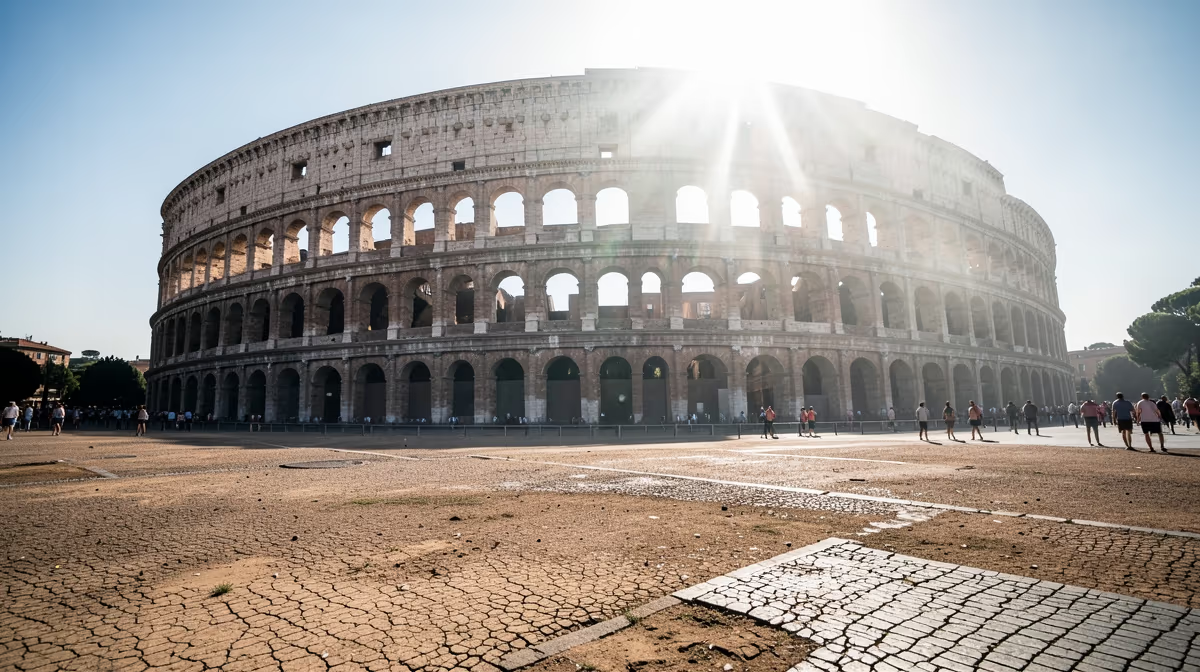
Subterranean critical infrastructure and municipal power grids across Southern Europe are buckling under the weight of an unrelenting thermal dome as scorching conditions grip the Mediterranean basin. Italian health authorities issued maximum red-level heat alerts for 16 major cities, including Rome, Florence, and Bologna, as an unprecedented African anticyclone dubbed Cerberus pushed temperatures above 45 degrees Celsius across the country in mid-July.
What Unfolded
The extreme weather event has severely strained Italy's emergency services, with the Ministry of Health reporting a significant surge in hospital admissions for heat-related illnesses, predominantly among the elderly and vulnerable populations. Firefighters have simultaneously battled dozens of wildfires fueled by dry brush and fierce winds in Sicily and Sardinia, threatening rural communities and forcing temporary evacuations. International tourists visiting historic sites in Rome and Florence have faced severe disruptions, with numerous historical monuments implementing restricted opening hours to protect visitors and staff from dangerous sun exposure. Municipalities have mobilized mobile medical units and distributed bottled water in public squares to mitigate the ongoing health crisis. Red weather alerts are the highest level of weather warning issued by health officials, indicating that the weather poses a direct threat to the health of the general population rather than just vulnerable groups.
Key Facts And Verified Data
Official meteorological and civil protection records outline the parameters of the current crisis. Red weather alerts have been issued for multiple major Italian cities including Rome and Florence. Temperatures in some regions have reached or exceeded 40 degrees Celsius, with peaks surpassing 45 degrees Celsius in parts of southern Italy and the islands. Health authorities have activated emergency protocols to handle heat exhaustion and dehydration cases. Touristic hubs and urban centers experience the urban heat island effect, which significantly intensifies daytime temperatures and traps heat overnight. Agricultural groups have reported severe stress on crops and livestock due to prolonged drought conditions, particularly affecting olive groves, vineyards, and livestock production in the southern regions. Energy grid operators are reporting near-record electricity consumption as citizens rely heavily on air conditioning, prompting calls for voluntary power conservation during peak afternoon hours.
Systemic Causes And Analyst View
The root cause of this ongoing emergency is anthropogenic climate change driven by persistent stationary high-pressure atmospheric systems, specifically the expansion of the Saharan heat dome over the Mediterranean basin. This phenomenon is reminiscent of the historical parallel of the 2003 European heatwave, which exposed critical vulnerabilities in emergency response systems and resulted in over 70,000 excess fatalities across the continent. On the political front, the Meloni government faces mounting pressure to balance economic reliance on the vital summer tourism sector with urgent, costly climate adaptation policies and EU Green Deal compliance. Economically, the country confronts severe productivity losses from outdoor labor restrictions, massive agricultural crop failures leading to inflationary food prices, and infrastructure strain on the national grid threatening industrial output. Geopolitically, Southern European nations are forming informal blocs to demand centralized EU emergency funds, shifting regional geopolitics toward a North-South divide over climate finance and burden-sharing. A hidden angle of the crisis is its severe impact on subterranean critical infrastructure and data center cooling capacities, threatening digital continuity and financial transaction hubs across Northern and Central Italy.
Public Health Impact And Who Is Affected
This extreme heatwave is a life-threatening situation that strains public health systems, disrupts daily life, and increases the risk of devastating wildfires. When temperatures remain dangerously high day and night, people cannot properly cool down, leading to a spike in heat strokes, hospitalizations, and tragically, preventable deaths. Elderly individuals, young children, pregnant women, outdoor workers such as construction and agricultural laborers, tourists visiting historical sites without shade, and people with pre-existing medical conditions are the most severely impacted. Italian Health Minister Orazio Schillaci urged citizens to exercise extreme caution, stating that the public must protect the most vulnerable by avoiding peak sun exposure between 11 a.m. and 6 p.m. and strictly following local advisories as the country faces one of the most intense heatwaves in its recorded history. Meanwhile, World Meteorological Organization experts confirmed that European heatwaves are intensifying at a rate exceeding global averages due to climate change.
Immediate Outlook And Scenarios
Meteorologists indicate that the persistent African anticyclone will maintain record-breaking temperatures across Southern Europe for at least another week, necessitating prolonged emergency response measures. In the next 24 hours, the Italian Ministry of Health is expected to elevate red weather alerts to include major urban centers like Rome, Florence, and Bologna, while emergency services prepare for a surge in heat-related illnesses. In the next 72 hours, peak temperatures will strain the national power grid due to massive air conditioning usage, leading to localized blackouts, and authorities will likely implement emergency water rationing in drought-prone agricultural regions. Looking at potential trajectories, the best-case scenario involves a sudden shift in wind patterns bringing unexpected cooler air from the Alps, rapidly dissipating the heat dome without causing major infrastructure failures or loss of life. Conversely, the worst-case scenario involves severe grid failures coinciding with the peak heat wave, causing widespread hospital blackouts, multiple heatstroke fatalities among vulnerable populations, and catastrophic wildfires across parched rural regions.
Frequently Asked Questions
Why are red alerts issued during the extreme heatwave in Italy?
Red alerts are issued by the Italian Ministry of Health to signal emergency conditions where extreme temperatures pose a severe risk to the entire population, not just vulnerable groups. These warnings trigger heightened emergency response measures, including health advisories and restrictions on outdoor work. The goal is to prevent heat-related illnesses and fatalities during peak thermal stress.
Which cities are most affected by the extreme heatwave red alerts in Italy?
Major tourist destinations and urban centers like Rome, Florence, Bologna, and Milan are frequently placed under red alert status during severe heatwaves. These cities experience the urban heat island effect, which significantly intensifies daytime temperatures and traps heat overnight. Travelers and residents in these regions are advised to monitor daily bulletins closely.
When is the peak period for extreme heatwaves in Italy?
Extreme heatwaves in Italy typically peak during the summer months of July and August, driven by anticyclones moving northward from Africa. However, climate shifts have caused intense heat events to begin earlier in June and extend into September. During these peak periods, temperatures frequently exceed 40 degrees Celsius in many parts of the country.
How can tourists stay safe during a red alert heatwave in Italy?
Tourists should avoid strenuous outdoor activities between 11 AM and 6 PM, stay well-hydrated by drinking plenty of water, and wear lightweight, loose-fitting clothing. Seeking air-conditioned spaces, such as museums or public buildings, during the hottest parts of the day is also crucial. Additionally, applying high-SPF sunscreen and wearing hats will help prevent sunburn and heat exhaustion.
Are flights or transportation affected by the extreme heat in Italy?
Extreme heat can occasionally impact transportation, as very high temperatures cause railway tracks to warp and reduce aircraft takeoff performance due to thinner air. While major transport networks generally remain operational, travelers should check for delays or schedule changes during peak heat advisory days. Public transit authorities often provide water stations and emergency cooling measures at major hubs.
What are the health risks associated with Italy's red alert heatwaves?
Prolonged exposure to extreme heat can lead to heat exhaustion, heatstroke, dehydration, and the exacerbation of pre-existing cardiovascular and respiratory conditions. Vulnerable populations, including the elderly, infants, and individuals with chronic illnesses, are at the highest risk. Recognizing symptoms like dizziness, confusion, and rapid pulse is vital for seeking immediate medical attention.
Conclusion
The unfolding extreme heatwave across Italy has triggered nationwide red weather alerts and placed intense pressure on public health, agricultural, and energy infrastructures. With the African anticyclone persisting across the Mediterranean basin, the Italian Civil Protection Department, Ministry of Health, and municipal authorities remain on high alert to manage heat-related illnesses and wildfire risks. As meteorologists monitor ongoing temperature extremes, compliance with emergency health advisories, voluntary energy conservation, and targeted restrictions on outdoor labor remain critical measures for protecting vulnerable populations through the duration of the crisis.


.webp)


