
North Odisha Flood Situation Escalates Rapidly As Major Rivers Breach
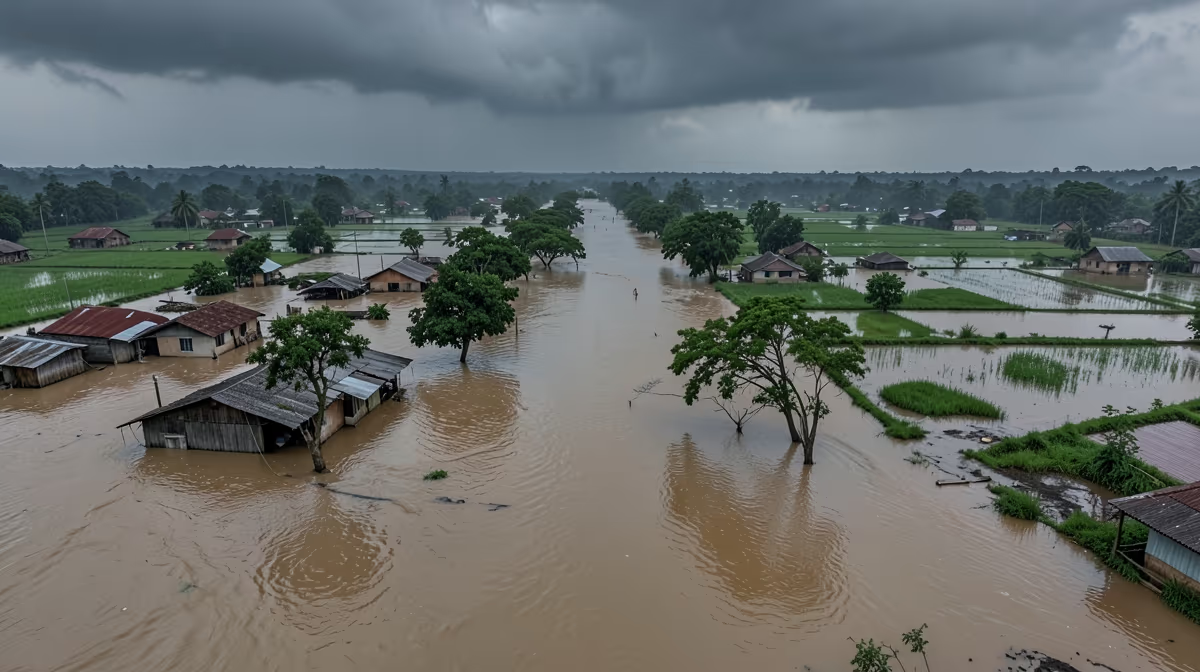
The North Odisha flood situation has turned grim as continuous heavy rainfall causes major rivers to swell, leaving numerous villages inundated. Across the region, communities are facing escalating crises as water levels rise past danger marks, displacing hundreds of thousands of residents and prompting urgent multi-agency interventions.
Rising River Levels and Affected Districts
Continuous heavy rainfall has caused major rivers in northern districts, including the Brahmani and Baitarani, to overflow their banks, leading to severe flooding in multiple low-lying areas. Floodwater has entered residential settlements and submerged farmlands, cutting off access to several villages and leaving residents struggling against rising waters.
- Brahmani river overflow causes widespread inundation
- Baitarani river flood impacts Kendrapara and surrounding regions
- Low-lying farmlands submerged across northern districts
Roughly 5 lakh people have been affected overall by the moderate to severe flooding across Odisha, with floodwaters directly spilling over into agricultural belts and rural communities.
Mass Evacuations and Government Response
In response to the escalating crisis, regional authorities and disaster response teams have launched extensive rescue and relief operations. Reports indicate that approximately 2.37 lakh people have been evacuated from vulnerable zones to safer locations as the local administration works to mitigate the disaster's impact.
Relief materials are being dispatched to temporary shelters, and emergency response teams remain heavily deployed across affected northern districts to monitor water levels, distribute essential provisions, and assist stranded residents.
Meteorological Forecasts and High Alert
The India Meteorological Department (IMD) has forecasted more rains for the region, keeping disaster management teams and district administrations on high flood alert. Continuous monitoring of swelling rivers like the Brahmani and Baitarani remains active as persistent rainfall alerts continue through August 18.
The North Odisha flood situation remains grim with rising water levels in Baitarani and Brahmani rivers, affecting Kendrapara and surrounding regions.
Root Causes and Historical Parallels
The crisis is rooted in persistent heavy rainfall leading to the swelling of major northern Odisha river systems like the Brahmani and Baitarani, resulting in severe overflow and widespread inundation. Analysts note that recurring northern Odisha river floods point to long-term siltation issues and compromised natural drainage basins that conventional embankments fail to address sustainably.
This event recalls the 2011 Odisha floods, which similarly displaced millions and caused massive agricultural distress following heavy monsoon depressions. While primarily a domestic sub-national humanitarian crisis, recurring extreme monsoon events in eastern India underscore vulnerabilities tied to regional climate change patterns and trans-boundary river basin management coordination.
Economic Fallout and Livelihoods
Widespread inundation of farmlands directly threatens agricultural yields, rural livelihoods, and local supply chains in northern districts, necessitating extensive state-funded relief and rehabilitation packages. State disaster management machinery and local administration face intense scrutiny over evacuation efficiency, relief distribution, and proactive flood mitigation infrastructure as thousands remain displaced from their homes.
Future Outlook and Disaster Management Preparedness
Continuous monitoring of swelling river systems remains the primary operational focus as regional authorities, disaster response teams, and the IMD coordinate ongoing responses. Over the next 24 hours, authorities will manage active evacuations and track persistent rainfall. Over the next 72 hours, operations will transition toward comprehensive relief, rescue, and damage assessment as forecasted heavy rains conclude.
In the best-case scenario, rainfall subsides ahead of schedule, allowing swollen rivers to recede and displaced populations to begin returning safely to their homes under coordinated relief efforts. Conversely, the worst-case scenario involves incessant rains continuing to breach embankments further, compounding inundation across rural and agricultural belts and overwhelming evacuation shelters.
Frequently Asked Questions
What is causing the severe flood situation in North Odisha?
The severe flood situation in North Odisha is caused by continuous heavy rainfall leading to major rivers like the Brahmani and Baitarani overflowing. This has resulted in widespread inundation of villages and farmlands across the northern districts.
How many people have been affected or evacuated due to the floods?
Hundreds of thousands of people have been severely impacted by the rising floodwaters, with approximately 2.37 lakh people evacuated to safer locations. People are currently struggling as floodwater enters residential areas and disrupts daily life.
Which rivers are currently overflowing in Odisha?
Major river systems, particularly the Brahmani and Baitarani rivers, are overflowing and swelling above danger marks. This has heightened flood alerts across multiple northern districts, including Kendrapara.
What are the latest weather forecasts for the region?
The India Meteorological Department (IMD) has forecasted more rains to continue in the region until August 18. This ongoing precipitation keeps the state on high flood alert as authorities monitor swelling river levels.
Why is this moderate to severe flood situation a major concern?
The floods are a major concern because they threaten rural livelihoods, destroy farmlands, and displace large populations. Emergency response teams remain heavily engaged in rescue and relief operations to mitigate further damage.
What immediate actions are being taken by authorities?
Authorities have placed the region on high alert, evacuating hundreds of thousands of vulnerable residents from low-lying areas. Relief efforts and monitoring are ongoing as river waters continue to pose a threat.
Conclusion
The North Odisha flood situation remains a critical humanitarian challenge driven by overflowing river systems and continuous heavy rainfall. With hundreds of thousands of individuals evacuated and administrative teams maintaining a high flood alert alongside ongoing IMD weather forecasts, emergency response operations remain focused on public safety, shelter management, and relief distribution across the affected northern districts.
Sources
- Baitarani River Floods Kendrapara | Floodwater Enters Villages, People Struggle — Kanak News Odisha
- North Odisha flood situation grim, IMD forecasts more rains till August 18 — The Hindu
- Odisha flood situation worsens as major rivers swell, villages and farmlands inundated — odishanewslens.com
- Odisha floods intensify, 2.37 lakh evacuated as rivers inundate northern districts — The New Indian Express
- Moderate Flood Situation in Odisha: Brahmani and Baitarani Rivers Overflow, 5 Lakh People Affected — Pragativadi
- Odisha remains on high flood alert as rivers swell amid heavy rain — Newsonair


.webp)

