
Silicosis Among Quartz Workers Sparks Urgent Health Alarm in California
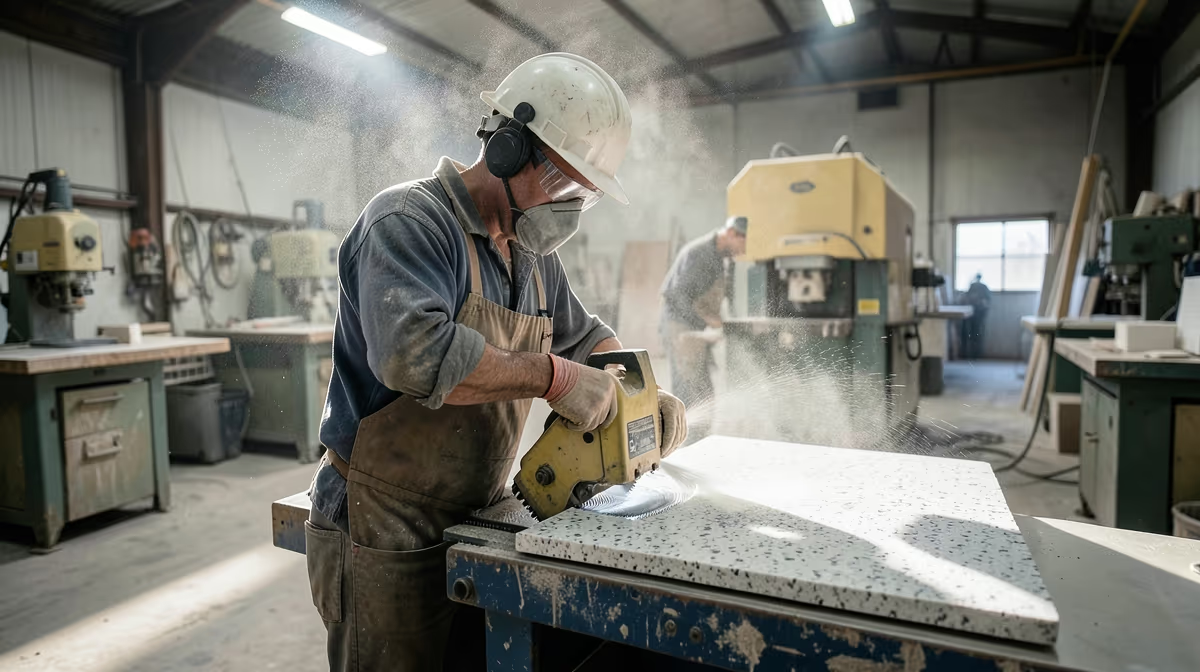
A severe public health alert has been issued regarding silicosis among quartz countertop workers in California as the epidemic of occupational lung disease grows. A growing public health crisis involving silicosis among workers fabricating engineered stone quartz countertops in California has led to mounting concerns, with reports indicating numerous workers have fallen ill and died from the disease.
The Rising Epidemic Among California Stonecutters
Recent public health alerts and research document a severe silicosis epidemic affecting stonecutters and workers who fabricate engineered stone quartz countertops in California. Reports highlight that hundreds of workers have fallen ill, with dozens of fatalities linked directly to stone countertop exposure between 2019 and 2026. The severe nature of the illness among workers handling these materials has drawn intense scrutiny toward workplace safety conditions and the use of engineered stone products.
Public health agencies and investigative reports emphasize the heavy toll the disease is taking on vulnerable laborers. The condition, caused by inhaling breathable crystalline silica dust during the cutting, grinding, and polishing of quartz products, has prompted urgent calls for stronger regulatory oversight and protective measures in fabrication shops across the region.
As the medical and labor communities document the expanding scale of the outbreak, pressure is mounting on industry stakeholders and regulators to address the hazards associated with engineered stone fabrication. The situation underscores ongoing debates regarding occupational health and safety standards in manufacturing sectors handling high-silica materials.
Understanding the Disease and Material Hazards
Workers who cut and polish engineered stone quartz countertops are facing a severe and growing public health crisis, particularly in California. When this manufactured stone is cut, shaped, or drilled, it releases a massive amount of fine, breathable dust containing silica. Breathing in these microscopic particles causes the lung disease known as silicosis, which leads to severe scarring, breathing difficulties, and lung failure.
The epidemic highlights a dangerous hidden cost behind the popular home-renovation trend of sleek quartz countertops. Because engineered stone contains a much higher percentage of silica than natural stone like granite or marble, it poses a significantly greater health risk to the artisans and laborers who fabricate it.
Silicosis is one of the oldest known occupational lung diseases, historically affecting miners, quarry workers, and sandblasters. The modern resurgence is specifically tied to the booming popularity of engineered stone—a composite material made of crushed quartz bound together with resins—which has largely replaced natural stone in many kitchens over the past two decades.
- A growing silicosis epidemic has been documented among workers fabricating engineered stone quartz countertops, particularly in California.
- Recent reports highlight that nearly 600 workers have been sickened by the disease.
- At least 31 deaths have been linked directly to stone countertop exposure and the resulting illness.
- Engineered stone quartz contains much higher levels of silica compared to natural stones.
- The process of cutting and shaping the material releases dangerous fine dust that workers breathe in.
Root Causes and Structural Pressures
The widespread manufacturing and aggressive marketing of engineered stone quartz countertops—which contain significantly higher concentrations of crystalline silica than natural stone—coupled with inadequate regulatory enforcement and protection for vulnerable migrant fabricators, serve as the root cause of this public health emergency.
From an economic perspective, a multi-billion-dollar home improvement and construction boom driven by consumer demand for aesthetic quartz products stands in sharp contrast with the devastating human and healthcare costs absorbed by low-wage workers who lack adequate health insurance and compensation. Political dimensions involve regulatory failure at state and federal levels, where occupational safety agencies have been slow to implement and enforce emergency standards to protect vulnerable labor pools from preventable industrial diseases.
Geopolitically, globalized supply chains export hazardous manufacturing and finishing processes to local workshops, shifting the burden of environmental and occupational health risks onto domestic immigrant labor populations. Historically, this mirrors the historic rise of occupational asbestosis and silicosis crises during the 20th century, where industry resistance to acknowledging hazards delayed vital safety regulations at the expense of thousands of workers' lives.
Timeline of the Outbreak
2019: Early documented cases and rising public health concerns emerge regarding severe silicosis among young engineered stone fabricators in California.
2023-2024: Accelerated outbreaks and investigative reports prompt mounting pressure for emergency regulations and stricter workplace safety enforcement.
2026: New research and major media reporting highlight a deepening epidemic with dozens of deaths and hundreds of severe illnesses, forcing broader regulatory reckoning.
Future Outlook and Industry Scenarios
Continued coverage and public health warnings regarding the growing silicosis epidemic among engineered stone quartz countertop fabricators in California are expected over the next 24 hours. Over the next 72 hours, analysts anticipate increased scrutiny on workplace safety standards, regulatory responses, and discussions surrounding the severe health impacts on stonecutters exposed to silica dust.
Key players involved in these developments include quartz countertop fabricators, California stonecutters, public health authorities, and occupational safety regulators, impacting areas such as public health, occupational safety, labor rights, and the manufacturing industry. Analysts predict heightened calls for stricter safety enforcement, emergency workplace regulations, or potential product restrictions to address the escalating fatalities and illnesses among stonecutters.
The best-case scenario involves rapid implementation of emergency safety standards, enhanced respiratory protection for workers, and accelerated medical screenings leading to early diagnosis and reduced exposure. Conversely, the worst-case scenario entails a continued rise in severe illnesses and fatalities among workers, leading to protracted legal battles, delayed regulatory interventions, and widespread industry non-compliance.
Labor advocates and public health officials are demanding stricter workplace safety regulations, emergency standards regarding silica dust exposure, and urgent protections for vulnerable stonecutters.
Frequently Asked Questions
What is causing the public health crisis among California stonecutters?
Workers fabricating engineered stone quartz countertops are facing an epidemic of silicosis, a severe and incurable lung disease. The condition is triggered by inhaling high levels of crystalline silica dust released during the cutting and shaping of these materials.
How many workers have been affected by engineered stone silicosis?
Recent reports document that hundreds of stonecutters in California have fallen ill with the disease, with dozens of fatalities linked directly to this occupational exposure. The rapid rise in cases has drawn urgent attention from public health agencies and researchers.
Why is quartz countertop fabrication particularly dangerous?
Engineered stone contains a significantly higher percentage of crystalline silica compared to natural stones like granite or marble. When fabricated without adequate safety measures, the fine dust penetrates deep into the lungs, causing progressive and severe scarring.
Who is most at risk for developing silicosis from stone countertops?
The primary population at risk consists of workers and fabricators who cut, grind, polish, and install engineered quartz stone countertops. Many of these individuals are immigrant workers in small fabrication shops who may lack proper protective gear and ventilation.
What measures are being taken to address the silicosis epidemic?
Public health officials and researchers are documenting the crisis to push for stricter workplace regulations, enhanced safety enforcement, and better protective equipment. Discussions also include potential bans or heavy restrictions on high-silica engineered stone products to protect vulnerable workers.
What happens next for quartz countertop workers and manufacturers?
As new research and investigative reports continue to highlight the severity of the outbreak, regulatory bodies face mounting pressure to implement emergency workplace standards. Manufacturers and fabrication shops may also be held to stricter compliance regarding dust suppression and worker safety.
Conclusion
The documented silicosis epidemic among engineered stone quartz countertop fabricators in California highlights a severe and ongoing public health crisis driven by high exposure to breathable crystalline silica dust. With numerous severe illnesses and dozens of fatalities recorded between 2019 and 2026, medical research and investigative reporting continue to emphasize the urgent need for robust occupational health interventions. Public health authorities, labor advocates, and policymakers face mounting pressure to enforce stricter workplace safety standards, enhance respiratory protection, and address regulatory gaps to protect vulnerable stonecutters from further harm.
Sources
- Public Health Alerts: Silicosis among workers fabricating engineered stone (‘quartz’) countertops in California, 2019-2026 — CIDRAP
- 31 Dead, Nearly 600 Sickened from Silicosis Linked to Stone Countertop Exposure — People.com
- New research documents growing silicosis epidemic among quartz countertop workers — Medical Xpress
- Hundreds of California stonecutters fall ill with deadly disease ‘for a product we do not need’ — Los Angeles Times


.webp)

