
Strait of Hormuz Missile Threat Escalates as Tanker Seizure Sparks Panic
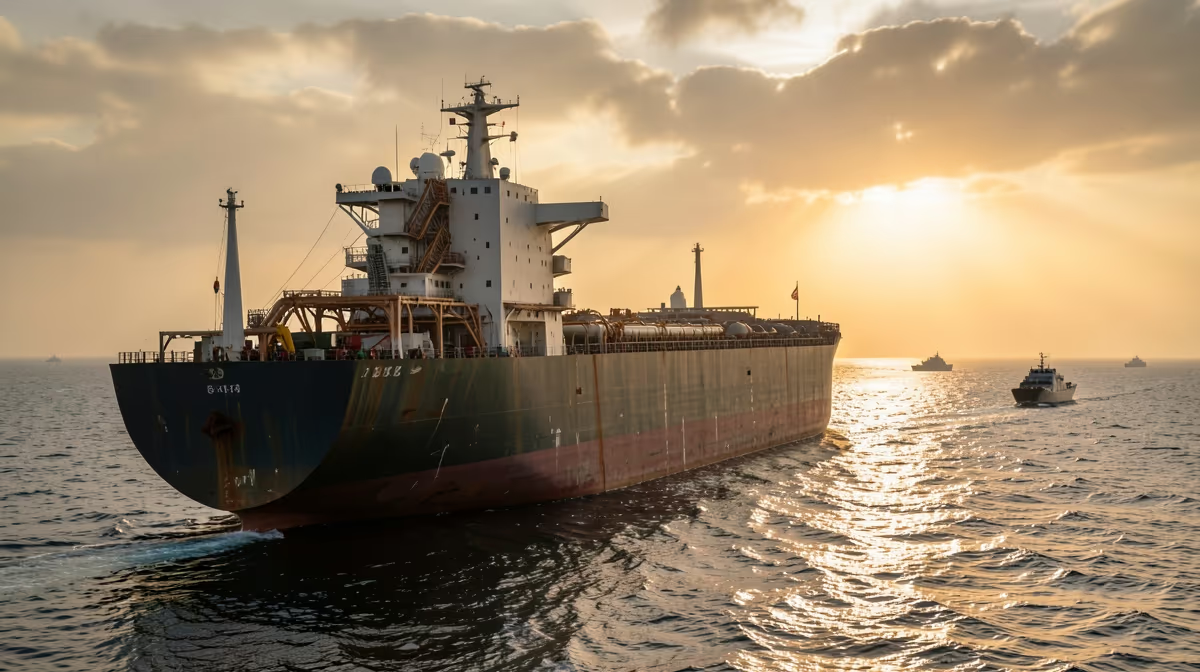
Recent developments in the Persian Gulf highlight a growing UAE missile threat as authorities issue urgent warnings regarding regional stability. Tensions in the Gulf have escalated as the UAE warns of potential missile threats and urges people to seek shelter, amid reports of a tanker seizure in the strategic Strait of Hormuz.
What Unfolded
The security situation in the region has deteriorated significantly, prompting official warnings and widespread regional concern. According to recent reports, the United Arab Emirates issued urgent advisories warning of potential missile threats and directing individuals to seek shelter.
Simultaneously, maritime security developments have heightened anxiety, with reports indicating that Iran claims the seizure of a UAE-linked tanker in the Strait of Hormuz. This critical waterway remains a focal point for international commerce and regional stability.
Diplomatic and economic repercussions are already unfolding as mediators await developments regarding potential deals in the region. Meanwhile, the broader disruption has affected transportation and financial oversight, with regional outlets reporting flight updates and tightened anti-crime oversight on bank transfers.
Key Facts
- The UAE issued warnings regarding potential missile threats and advised individuals to seek shelter
- Iran has claimed the seizure of a UAE-linked tanker in the Strait of Hormuz
- Mediators are reportedly awaiting progress on a potential Iran-Oman deal concerning the Hormuz region
- Airlines operating out of the UAE, including Emirates, Etihad, Air Arabia, and flydubai, are experiencing ongoing war-related flight disruptions
- Saudi Arabia has tightened anti-crime oversight on bank transfers bound for the UAE
Why This Matters
The Strait of Hormuz is one of the world's most vital maritime chokepoints for oil and commercial shipping. Disruptions or military actions in this area can immediately threaten global energy supplies, spike oil prices, and severely impact international trade and regional stability.
Residents and travelers in the UAE, international shipping companies, global energy markets, and passengers flying through Middle Eastern airspace are directly affected by these developments. The Strait connects the Persian Gulf with the Gulf of Oman and the Arabian Sea, serving as a critical route for a significant portion of the world's petroleum. Geopolitical friction between regional powers frequently targets this chokepoint, leading to heightened naval tensions and commercial shipping vulnerabilities.
Geopolitical and Economic Analysis
Escalating regional friction centered around maritime choke points and shifting security arrangements in the Persian Gulf serves as the root cause of the current crisis. Domestic pressure mounts on the UAE leadership to ensure public safety as missile threat alerts prompt emergency shelter advisories, while regional neighbors navigate delicate diplomatic positions.
Disruptions in the Strait of Hormuz directly threaten maritime commerce and oil transit, compounded by tightened financial oversight on cross-border transfers and ongoing commercial aviation disruptions. The seizure of a UAE-linked tanker by Iran highlights the vulnerability of critical global trade arteries, drawing international mediators into urgent de-escalation efforts. Shifting financial compliance and tighter anti-crime oversight on regional bank transfers might indicate a broader economic decoupling or strategic risk recalibration among Gulf Cooperation Council members, bearing historical parallels to the 2019-2020 Persian Gulf crisis involving tanker seizures and attacks on commercial shipping infrastructure.
Future Outlook
Authorities in the UAE will likely maintain heightened alert levels and shelter advisories following warnings of potential missile threats and the reported seizure of a UAE-linked tanker in the Strait of Hormuz, while international mediators continue diplomatic discussions regarding regional maritime routes.
Regional and international stakeholders will monitor maritime security developments closely over the next 72 hours, potentially seeing further updates on diplomatic talks involving intermediaries, while commercial airlines and maritime transport companies adjust operations in response to ongoing disruptions. Analysts would likely expect continued volatility and heightened security protocols around critical shipping lanes like the Strait of Hormuz until diplomatic efforts yield stable transit arrangements. Best case scenarios involve mediators successfully brokering a de-escalation deal regarding maritime transit and the released tanker, allowing commercial traffic and regional financial transfers to normalize. Conversely, worst case scenarios point toward an escalation of missile threats and persistent tanker seizures leading to extended disruptions in regional shipping, heightened security measures, and prolonged flight suspensions.
Frequently Asked Questions
What happened regarding the UAE missile threats and tanker seizure in the Strait of Hormuz?
The UAE issued warnings regarding potential missile threats and urged residents to seek shelter as regional tensions escalated. Additionally, reports surfaced confirming the seizure of a UAE-linked tanker in the critical Strait of Hormuz waterway.
Why does the situation in the Strait of Hormuz matter?
The Strait of Hormuz is one of the world's most critical oil transit chokepoints, making any military escalation or vessel seizure a major threat to global energy supplies and maritime trade. Disruptions in this vital corridor immediately reverberate across international markets and regional security frameworks.
Who is affected by the ongoing war disruption in the UAE?
Air travelers flying through major carriers like Emirates, Etihad, Air Arabia, and flydubai are facing widespread flight updates and disruptions. Furthermore, financial systems are reacting, with countries like Saudi Arabia tightening anti-crime oversight on UAE-bound bank transfers.
What happens next as mediators step into the crisis?
International mediators are currently awaiting developments on a potential Iran-Oman Hormuz deal, as discussed in ongoing diplomatic efforts led by Qatar. Stakeholders are closely watching to see if these talks can de-escalate maritime tensions and secure the release of detained vessels.
What is the broader economic and security background for the UAE right now?
The UAE is navigating intense economic scrutiny and security pressures while balancing trade stability against mounting geopolitical risks. Analysts are intensely debating whether the local economy is on the brink of deeper strain or capable of bouncing back amid the ongoing regional conflicts.
Which specific entity claimed the seizure of the UAE-linked tanker?
Iran publicly claimed responsibility for the seizure of the UAE-linked tanker in the Strait of Hormuz. This action heightened regional anxieties and prompted immediate safety advisories and shelter warnings for people within the UAE.
Conclusion
Official warnings regarding missile threats have been issued in the UAE, and reports confirm the seizure of a tanker in the Strait of Hormuz alongside ongoing regional flight updates and tightened cross-border financial oversight. While mediators await developments concerning potential deals in the region, the full implications of the tanker seizure, the status of ongoing diplomatic mediation, and the duration of regional travel and security disruptions remain developing areas. Stakeholders will continue to monitor maritime security, diplomatic talks, and operational adjustments across aviation and transport sectors as the situation unfolds.
Sources
- UAE Warns Of 'Potential Missile Threats', Asks People To Seek Shelter — ndtv.com
- EXCLUSIVE: Saudi Arabia tightens anti-crime oversight on UAE-bound bank transfers — Reuters
- Iran war live: Mediators waiting for Iran-Oman Hormuz deal, Qatar says — Al Jazeera
- UAE economy: On the brink or bouncing back? — DW.com
- Iran claims seizure of UAE-linked tanker in Strait of Hormuz — TradeWinds News
- Flying from the UAE today? Emirates, Etihad, Air Arabia and flydubai flight updates as war disruption continues — Gulf News


.webp)