
Tamil Nadu Lok Sabha Seats Resolution Poses a Major Federal Test
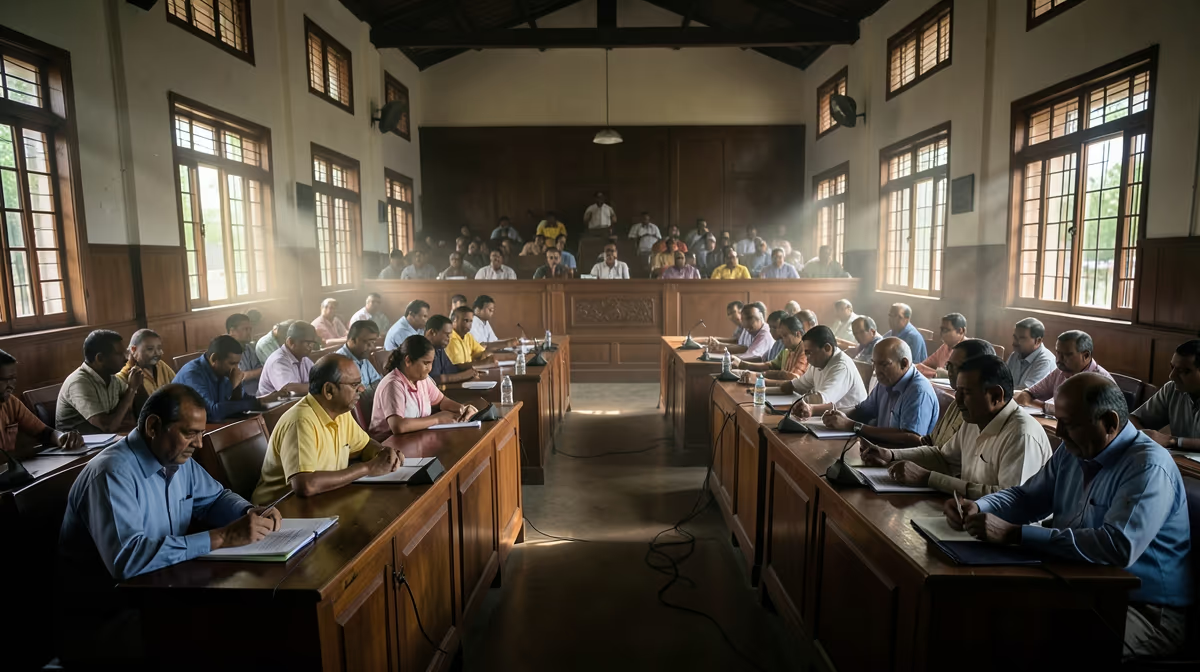
The Tamil Nadu delimitation resolution has sparked intense national debate after the state assembly unanimously urged the central government to maintain the current parliamentary seat count. As demographic shifts threaten to reshape regional influence across the country, lawmakers have drawn a hard line to protect their legislative representation.
The Tamil Nadu Legislative Assembly has officially adopted a resolution urging the central government to freeze the number of Lok Sabha seats at the current total of 543. This move comes amid growing discussions and concerns regarding the upcoming delimitation exercise across the country. State leaders across political lines have expressed worry that states like Tamil Nadu, which have successfully implemented population control measures, might end up losing their political representation in Parliament compared to states with higher population growth. The resolution asks the Centre to ensure that no state is penalized for its developmental achievements.
Background of the Delimitation Debate
Delimitation is the process of redrawing the boundaries of Lok Sabha and state assembly constituencies based on recent population figures. While mandated to ensure equal representation, it frequently sparks debates in federal nations regarding the balance of power between growing and stable population regions. The impending delimitation exercise based on population figures threatens to disproportionately reduce the political representation of southern states like Tamil Nadu that have successfully implemented population control measures, compared to northern states with higher growth rates.
Historical precedents shape the current urgency surrounding parliamentary restructuring. The 1976 freezing of parliamentary constituencies by the Indira Gandhi administration during the Emergency was later extended by the 84th Constitutional Amendment in 2002 to prevent penalizing states for family planning. With that constitutional protection tied to the first census after 2026, regional anxiety has resurfaced.
Political Implications and Federal Tension
The Tamil Nadu Assembly's unanimous resolution to freeze Lok Sabha seats at 543 highlights deep-seated federal tensions, positioning regional parties against the central government's demographic-based restructuring and setting the stage for a major constitutional standoff over legislative representation. Beyond the immediate numerical debate, the freeze proposal reflects an underlying anxiety among southern states regarding cultural and linguistic assimilation, as population shifts intrinsically alter the linguistic dominance within national legislative bodies.
- Tamil Nadu Assembly adopted a resolution regarding Lok Sabha seat delimitation.
- The resolution urges the Centre to freeze the total number of Lok Sabha seats at 543.
- State leaders are concerned about potential reductions in parliamentary representation.
- The debate centers around states that have successfully managed population growth.
- The announcement was covered by prominent media outlets like The Hindu in August 2026.
Economic and Geopolitical Angles
A reduction in parliamentary weight could weaken Tamil Nadu's leverage in fiscal federalism, potentially impacting central resource allocation, tax devolution formulas, and key economic policy decisions that favor the industrialized south. While primarily an internal domestic governance issue, shifts in India's internal political power balance can influence foreign investors' perceptions of domestic stability and cooperative federalism within the world's largest democracy.
Short-Term and Long-Term Outlook
Political discussions and allied party statements regarding the delimitation exercise and the preservation of parliamentary representation proportions for southern states are expected to unfold further over the next 72 hours. Analysts would likely expect this move to spark broader regional dialogues among southern states regarding impending delimitation challenges and population-based seat allocations. Constructive dialogue between state legislatures and the central government addressing demographic representation concerns while maintaining federal harmony represents the best case scenario, whereas heightened political friction between southern states and the Centre marks the worst case risk.
Frequently Asked Questions
Why did the Tamil Nadu Assembly pass a resolution on Lok Sabha seats?
The Tamil Nadu Assembly adopted a resolution urging the Centre to freeze the number of Lok Sabha seats at the current 543. This move aims to prevent any reduction in the state's political representation during upcoming delimitation exercises.
What does the resolution on Lok Sabha seats propose?
The resolution explicitly urges the Central government to maintain the total number of Lok Sabha seats at 543. It seeks to safeguard states that have successfully implemented population control measures from being penalized.
Why are southern states concerned about the delimitation exercise?
Southern states like Tamil Nadu fear that future delimitation based on population growth could reduce their share of parliamentary seats. States with higher population growth would gain more political weight at the expense of those that curbed population growth.
Who is affected by the Tamil Nadu Assembly resolution?
The resolution directly impacts national legislative representation, particularly concerning southern states and their political weight in Parliament. It highlights the growing tension between population-based representation and states that successfully executed family planning.
What is the background of the Lok Sabha seat freeze demand?
The debate stems from the upcoming delimitation process, which is expected to redraw constituency boundaries based on the latest census data. Tamil Nadu and other southern states have consistently voiced concerns over losing their proportional voice in national governance.
What happens next regarding the Lok Sabha seat delimitation?
The resolution puts pressure on the Central government to address these federal concerns before the delimitation process moves forward. Further discussions and political negotiations are anticipated as more states voice their opinions on parliamentary restructuring.
Conclusion
The Tamil Nadu Assembly's adoption of the resolution to freeze Lok Sabha seats at 543 underscores significant federal and constitutional concerns regarding the impending delimitation exercise. As verified reports outline, the move directly addresses fears that states with successful population control policies could face a dilution of their political voice in Parliament. Future developments will depend on how the central government responds to these regional anxieties and whether broader legislative consensus can be reached before national constituency restructuring takes place.


.webp)

