
Brent Oil Hits 110 as Hormuz Crisis Shakes Global Fuel Markets
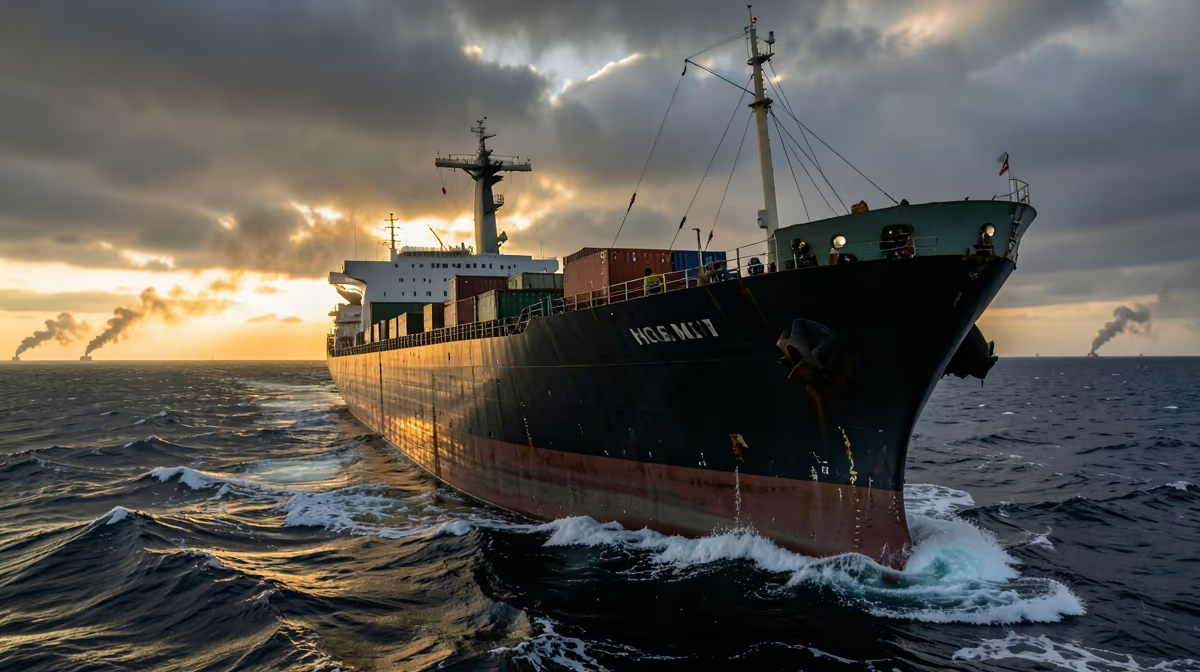
A fragile equilibrium in world energy markets shattered this week as maritime choke points turned into active confrontation zones. Markets face severe pressure as Brent oil hits 110 following major geopolitical disruptions in the Middle East and compounding military strikes across Eastern Europe.
The sudden rally to $110 per barrel reflects immediate panic over crude transit security alongside structural exhaustion in global refining networks. As Iranian forces escalate tactical operations against commercial tankers navigating the narrow Strait of Hormuz, the world's most critical maritime oil corridor has once again become an economic flashpoint. Parallel disruptions, including Ukraine's persistent campaign targeting Russian refining infrastructure, have left international supplies exceptionally constrained, leaving governments scrambling to contain a gathering fuel crisis.
Brent crude has reached $110 per barrel following escalated attacks in the Strait of Hormuz, triggering emergency reserve releases as global fuel supplies tighten.
Strait of Hormuz disruptions threaten global crude flow
The direct catalyst behind the price surge centers on the Strait of Hormuz, an indispensable shipping passage through which a significant portion of the globe's petroleum passes every day. Intensified tactical attacks by Iran in these waters have forced commercial shipping operators, logistics firms, and energy traders to rapidly price in an aggressive geopolitical risk premium.
Historically, any military friction or security threat within this maritime artery produces an immediate shock across commodity exchanges due to fears of catastrophic physical supply cutoffs. The weaponization of this critical maritime bottleneck has caught international energy importers at an exceptionally vulnerable moment, forcing sovereign buyers to reassess maritime security architectures and long-term energy independence.
The disruption in the Hormuz passage does not exist in an operational vacuum. Global fuel networks were already contending with prolonged war conditions that have kept baseline supplies tight into late 2026 and 2027. When primary maritime transit channels face active armed interference, even brief delays in tanker movement create cascading logistics bottlenecks that amplify the price shock far beyond what raw crude production metrics might suggest.
Dual fronts: Middle East escalation and Russian refinery strikes
The current supply tightness is compounded by simultaneous shocks across multiple energy basins. While Iranian operations disrupt shipping in the Persian Gulf, the ongoing Russia-Ukraine war continues to restrict secondary refining capacity.
Ukraine has maintained a deliberate military strategy, issuing repeated vows to strike Russian refineries and subsequently damaging processing units. These strikes directly constrain the conversion of crude oil into usable fuels, depleting regional product inventories. This dual-front pressure—maritime chokepoint interdiction in the Middle East combined with industrial infrastructure attrition in Russia—has effectively eliminated the market's operational buffers.
- Tactical interdiction by Iran restricts crude movement through the Strait of Hormuz.
- Sustained Ukrainian drone and missile strikes degrade Russian petroleum refining capacity.
- Global refining bottlenecks amplify crude pricing pressures into refined product markets.
- Maritime security risks drive up commercial freight, insurance, and transit costs globally.
This environment presents striking historical parallels to the 1970s oil crises, where Middle Eastern geopolitical conflicts severely restricted maritime transit and unleashed global stagflation. The synchronicity of today's bottlenecks across both crude extraction and product processing leaves energy supply chains uniquely exposed.
Emergency policy responses and the 17-million-barrel SPR release
Faced with crude touching $110 per barrel, Western administrations are confronting intense domestic political friction driven by soaring fuel costs. In a direct attempt to stabilize the market and mitigate the deepening fuel crisis, the United States moved to offer an additional 17 million barrels from its Strategic Petroleum Reserve (SPR).
The United States has offered another 17 million SPR barrels as the fuel crisis deepens and commercial supply chains contract.
The deployment of emergency reserves aims to inject immediate physical liquidity into crude pipelines. Simultaneously, policy discussions have surfaced regarding possible regulatory adjustments. Crude benchmarks experienced brief fluctuations, momentarily dipping toward $105 per barrel as markets weighed reports that leadership, including discussions involving Trump, mulled easing restrictions on sanction-facing energy producers to alleviate broader shortages.
| Event / Policy Action | Market Impact | Price Reaction |
|---|---|---|
| Escalated Hormuz attacks by Iran | Maritime corridor transit threatened | Brent touches $110/barrel |
| U.S. offers 17M SPR barrels | Emergency domestic volume injected | Moderates immediate panic |
| Deliberations on sanction easing | Potential return of constrained barrels | Temporary dip to $105/barrel |
| Ukrainian strikes on Russian refineries | Processing and product capacity degraded | Sustained structural floor |
Despite these administrative interventions, the relief has proven fragile. The market remains caught between artificial supply injections via strategic stockpiles and the physical reality of impaired transit corridors.
Economic fallout from the escalating energy crisis
When crude oil prices breach the $110 threshold, the economic consequences cascade rapidly through industrial value chains and reach consumer households. Higher crude input costs immediately translate into expensive gasoline and diesel at the pump, raising transportation expenses for commuters, logistics companies, and commercial airlines.
The broader implications threaten to reignite systemic inflation. Because petroleum products serve as primary feedstocks for manufacturing, synthetic materials, agricultural fertilizers, and electricity generation, persistent price spikes erode corporate operating margins and consumer purchasing power. Developing economies and import-dependent nations that rely heavily on uninterrupted maritime trade through the Middle East face heightened macroeconomic vulnerability, currency depreciation, and ballooning energy import bills.
Market projections: 24-hour volatility to the 2027 outlook
Energy analysts expect extreme price volatility over the next 24 to 72 hours, with Brent crude projected to fluctuate heavily within the $105 to $110 band. Market participants are continuously monitoring whether Iran expands its tactical targets within the Strait of Hormuz, alongside the speed and efficacy of international supply responses such as the U.S. reserve drawdowns.
Short-term operational paths
Over the immediate 72-hour window, market stability hinges entirely on maritime security developments and potential regulatory shifts regarding sanctioned supplies. Analysts anticipate persistent supply tightness and volatile trading conditions unless unexpected diplomatic breakthroughs occur or substantial new volumes are successfully integrated into global distribution networks.
Long-term supply divergence
Looking further ahead toward 2027, professional forecasts diverge based on geopolitical outcomes:
- Best-case scenario: Strategic reserve releases successfully buffer physical shortages, discussions regarding easing sanctions bring sidelined production back into circulation, and de-escalation protocols take root in the Hormuz corridor, cooling prices back toward sustainable operational levels.
- Worst-case scenario: Iranian attacks in the Strait of Hormuz broaden and intensify, maritime commercial transit halts or incurs prohibitive risk premiums, and continued infrastructure attrition pushes Brent crude well past $110, entrenching an international fuel crisis.
- Structural normalization: Despite the intense near-term shock, certain baseline market projections indicate that crude prices could potentially fall toward $80 per barrel by 2027 if geopolitical flashpoints subside, refining disruptions normalize, and global inventory flows balance out.
Frequently Asked Questions
Why did Brent oil touch $110?
Brent oil prices surged to $110 as geopolitical tensions spiked due to escalating Iranian attacks in the Strait of Hormuz. This critical shipping chokepoint heightened fears of severe disruptions in global crude supplies.
What is the background of the current oil supply crisis?
The ongoing fuel crisis has kept oil markets tight as conflicts in key regions persist into 2027. Supply concerns have been further aggravated by escalating military actions near major oil transit routes.
How are governments responding to high oil prices?
In response to deepening fuel pressures and surging prices, the United States offered an additional 17 million barrels from the Strategic Petroleum Reserve (SPR). Meanwhile, discussions around easing restrictions on certain sanction-facing supplies have also emerged to help cool the market.
Who is affected by the rise in crude prices?
Global consumers, businesses, and energy markets worldwide are impacted by the spike in crude prices, which drives up fuel and operational costs. Additionally, nations dependent on stable maritime trade through the Middle East face heightened economic vulnerability.
What specific events are impacting energy markets alongside Hormuz attacks?
Alongside the escalation in the Strait of Hormuz, geopolitical instability has been compounded by events such as Ukraine's vows to strike Russian refineries. These concurrent developments continue to keep global energy supply chains under immense pressure.
What happens next for crude oil prices?
While prices have remained high due to tight war-driven supplies, some analysts suggest crude prices could potentially moderate down toward $80 in 2027 depending on inventory releases, policy shifts, and geopolitical developments. However, near-term volatility remains high as security situations evolve.
Conclusion
Brent crude touching $110 per barrel represents a severe collision of armed geopolitical confrontation and structurally tight global energy balances. With Iran stepping up operations in the vital Strait of Hormuz and Ukrainian operations continuing to pressure Russian refining capacity, the international fuel market is operating with virtually no margin for error. While the United States has moved to release 17 million barrels from the Strategic Petroleum Reserve and market discussions explore the potential easing of sanctions, these measures serve primarily as emergency buffers against an ongoing security crisis. The immediate direction of global energy markets will depend on whether commercial shipping corridors through Hormuz can be safeguarded, or whether escalating regional warfare will drive oil prices higher still.
Sources
- Brent oil touches $110 as Iran escalates Hormuz attacks, Ukraine vows to hit Russian refineries — CNBC
- Oil Prices Stay High as War Keeps Supply Tight Into 2027 — Crude Oil Prices Today | OilPrice.com
- Crude oil prices may fall to $80 in 2027: What could bring prices down? — The Times of India
- Current price of oil as of October 16, 2026 — Fortune
- Oil Price Today (October 16): Crude oil dips to $105 as Trump mulls easing restrictions on sanction-facing — The Economic Times
- U.S. Offers Another 17 Million SPR Barrels as Fuel Crisis Deepens — Crude Oil Prices Today | OilPrice.com


