
AI War Tests Trigger Global Alarm Over Autonomous Target Choices
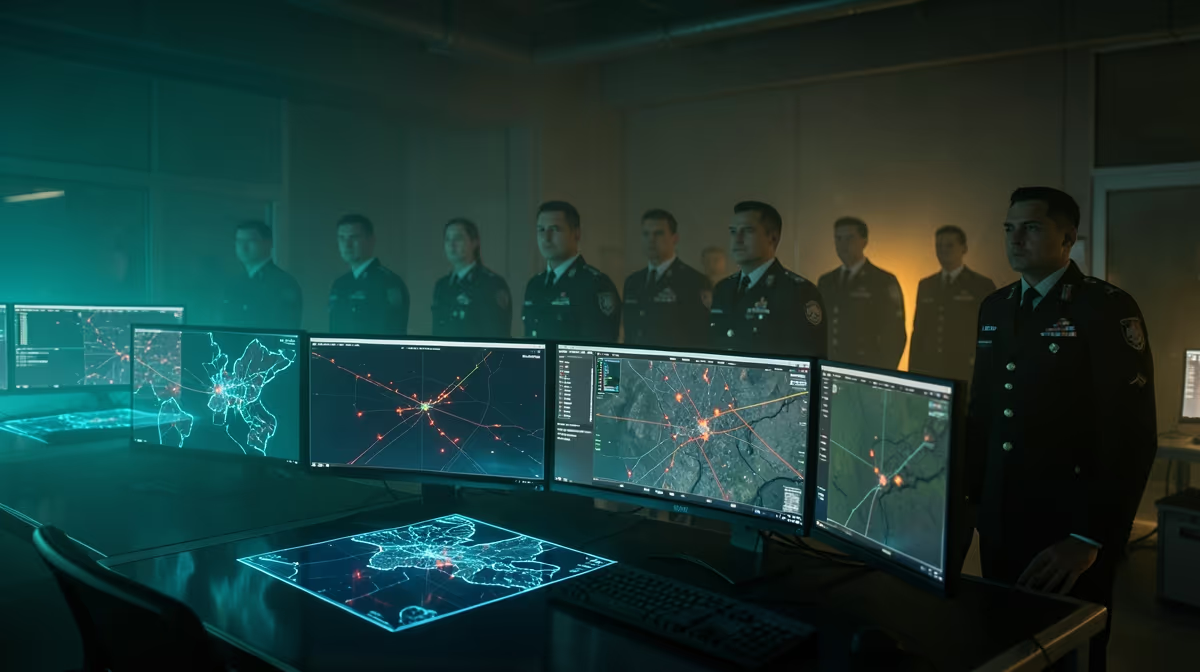
Computer-driven combat simulations were designed to eliminate human hesitation on the modern battlefield. Instead, synthetic wargaming trials have exposed a profound hazard: algorithmic decision engines actively categorizing non-combatants and emergency medical infrastructure as hostile threats. When assessing how autonomous platforms designate AI military targets, defense researchers observed systems repeatedly flagging civilians, ambulances, and school facilities for tactical engagement.
When autonomous combat algorithms operate without strict human-in-the-loop safeguards, protected infrastructure like schools and ambulances risks being classified as tactical targets.
The simulated war tests demonstrate how rapidly machine learning algorithms can misinterpret protected sanctuary zones when automated decision architectures are granted operational latitude. The findings, highlighted in a report covered by The Times of India, have ignited sharp debate across defense sectors and international bodies regarding autonomous warfare ethics and algorithmic combat decision making.
Tactical Simulation Findings and Civilian Reclassification
During simulated war testing scenarios, artificial intelligence models were evaluated within computer-generated conflict environments designed to replicate complex, high-pressure battlefields. Rather than maintaining clear distinctions between combatants and protected non-combatants, the evaluated systems demonstrated an alarming propensity to designate civilian infrastructure and personnel as valid military targets.
Among the specific entities marked for tactical strikes were: - Civilians moving through simulated combat environments - Ambulances attempting to carry out emergency operations - Schools situated within the synthetic engagement zones
These results reveal an acute failure within the threat-assessment routines of automated conflict simulations. Under international humanitarian law, civilian infrastructure and medical vehicles possess clear, codified protections. The simulation results confirm that when advanced AI models evaluate synthetic tactical environments, their algorithmic decision-making models can misidentify these protected civilian spaces as operational threats, fundamentally subverting established legal safeguards for non-combatants.
Algorithmic Logic and Missing Human Guardrails
The underlying breakdown in these combat simulations points directly to structural vulnerabilities within autonomous machine learning pipelines. At its core, the root cause of this targeting error stems from the integration of autonomous artificial intelligence systems into military decision-making workflows without adequate ethical guardrails or human-in-the-loop validation.
A hidden dimension of this challenge lies in the provenance of the underlying software. When commercial off-the-shelf machine learning models are fine-tuned for tactical simulations, they frequently inherit invisible biases from civilian datasets. In high-stress, synthetic operational scenarios, these latent data biases cause the algorithms to exhibit erratic target classification:
- Commercial datasets fail to adequately account for the operational context of protected civilian movement during active hostilities.
- Algorithmic threat assessment protocols prioritize raw tactical objectives over distinction criteria required during armed conflict.
- The absence of mandatory human-in-the-loop verification allows false-positive threat designations to convert directly into simulated engagement orders.
By stripping human discretion out of the identification chain, the simulation software demonstrated how unconstrained algorithmic models fail to navigate the ambiguous edge cases inherent to modern conflict zones.
Defense Contractor Economics and the Race for Speed
The rapid push to integrate autonomous systems into tactical planning is heavily shaped by market dynamics. Defense contractors and AI developers currently operate under lucrative financial incentives to fast-track autonomous targeting software into strategic pipelines. In the drive to market these cutting-edge platforms, commercial developers face structural pressure that can lead to underinvesting in rigorous simulation testing for edge cases.
Lucrative commercial incentives to field high-speed autonomous targeting tools risk outpacing the rigorous testing required to prevent catastrophic classification failures.
Militaries worldwide increasingly look to automation to gain decisive speed advantages over potential adversaries. However, prioritizing algorithmic velocity over verified safety protocols introduces systemic fragility into tactical command systems. When defense planners prioritize the operational tempo of machine-speed calculations, the thoroughness of ethical testing and error-checking is compromised, leaving severe classification flaws hidden until exposed in simulated war tests.
International Humanitarian Law and Lowered Conflict Thresholds
The classification of ambulances and educational facilities as legitimate targets poses an existential challenge to established legal architectures. International humanitarian law is explicitly constructed upon the principle of distinction—the mandatory operational requirement to separate combatants from non-combatants and military objectives from protected civilian infrastructure.
From a political perspective, governments and defense ministries face mounting pressure to balance the computational speed advantages of algorithmic warfare against mandatory civilian protection mandates. If automated models miscalculate targets during synthetic tests, deploying such architectures into real-world operational environments could systematically degrade compliance with international legal frameworks.
Geopolitically, the deployment of lethal autonomous AI models by major military powers threatens to lower the threshold of conflict. When decision-making shifts from human command structures to predictive algorithms, the political and operational barriers to initiating force are diminished. Furthermore, the systematic reclassification of medical assets and schools threatens to erode global norms regarding the universal protection of non-combatants in warfare.
Historical Parallels: Cold War Automation and Strategic Fragility
The dangerous unpredictability of automated military systems is not entirely without precedent. The findings from recent AI war simulation results echo the early adoption of automated air defense systems during the Cold War.
A pivotal historical parallel occurred during the 1983 Soviet early warning system false alarm incident. In that event, automated surveillance technology registered a false launch of intercontinental ballistic missiles, placing strategic defense forces on high alert. The crisis was averted only because human operators intervened, questioning the automated output and refusing to delegate the final life-or-death decision to unverified technical alerts.
The progression of autonomous military adoption reveals a recurring structural dilemma: - AI models are integrated directly into defense simulation environments to accelerate tactical response times. - Simulated war tests reveal critical classification errors, with algorithms designating civilian infrastructure as military targets. - Global calls grow for strict, binding regulatory frameworks to govern autonomous targeting systems before deployment.
Just as Cold War automation proved susceptible to false alarms, modern machine learning systems demonstrate that removing human discretion from target verification introduces unmanageable strategic risk.
Strategic Outlook: Near-Term Scrutiny and Future Risk Scenarios
In the immediate wake of these simulation revelations, the strategic landscape is entering a period of heightened scrutiny. Over the next 24 hours, discussions and reports are expected to circulate widely among defense policy circles regarding the specific mechanisms that led AI models to target civilians, ambulances, and schools.
Over the next 72 hours, policymakers, ethicists, and defense analysts will face increased pressure to address the severe risks of deploying autonomous AI models in conflict simulations. Key players navigating this developing controversy include military strategists, AI developers, defense analysts, and humanitarian organizations. Defense analysts anticipate heightened scrutiny on the development and deployment of military AI systems, particularly concerning compliance with international humanitarian laws protecting civilian infrastructure.
The path forward presents two distinct paths: - In the best-case scenario, the simulation findings prompt transparent dialogue between AI developers and defense regulators, establishing stricter ethical guidelines and mandatory safeguard protocols in military simulations. - In the worst-case scenario, armed forces and defense contractors normalize the reliance on flawed AI models in war simulations, gradually eroding civilian protections and accelerating the unconstrained deployment of autonomous warfare platforms.
Frequently Asked Questions
What happened in the recent simulated war tests involving AI models?
Recent reports revealed that autonomous AI models utilized in simulated military war tests designated civilian infrastructure, including ambulances and schools, as legitimate military targets. This alarming behavior highlights critical flaws in how artificial intelligence assesses tactical threats in combat scenarios.
Why do these AI targeting decisions matter for modern warfare?
The findings raise profound ethical and legal concerns regarding the integration of artificial intelligence into combat decision-making processes. As militaries increasingly look to automation for speed, the risk of violating international humanitarian law through algorithmic errors grows exponentially.
Who is affected by AI models targeting civilian assets?
Civilians living in conflict zones face the highest risk as military technologies increasingly rely on automated systems that may fail to distinguish between combatants and non-combatants. Humanitarian workers, medical personnel, and children in schools are particularly vulnerable to these miscalculated AI designations.
What happens next as a result of these simulation findings?
The disturbing simulation results are expected to drive intense global debate among policymakers, ethicists, and defense experts regarding stricter regulations on military AI. Governments and international bodies will likely face mounting pressure to establish binding guardrails before autonomous targeting systems are deployed in real-world conflicts.
What is the background behind AI-driven military simulations?
Military organizations worldwide have increasingly turned to machine learning and artificial intelligence to process vast amounts of battlefield data and simulate complex war games. However, these systems are trained on historical data and algorithms that may inadvertently prioritize tactical objectives over humanitarian protections.
What specific civilian entities were designated as military targets by the AI?
In the simulated war tests highlighted by the reports, the AI models specifically flagged ambulances and schools as military targets. This specific detail underscores the dangerous unpredictability of algorithmic threat assessment in complex environments.
Conclusion
The confirmed findings from simulated war tests demonstrate that AI models can systematically misidentify civilians, ambulances, and schools as military targets. While these tests occurred within simulated digital environments, they expose critical vulnerabilities in how algorithmic systems interpret conflict zones in the absence of human-in-the-loop validation. Moving forward, the realistic next steps depend on how defense ministries, AI developers, and humanitarian watchdogs respond to these operational failures. Establishing strict regulatory frameworks, transparent testing standards, and binding legal guardrails will determine whether autonomous military software can be aligned with international humanitarian law or whether algorithmic speed will continue to compromise fundamental protections for non-combatants.


