
Ukraine Drone Strikes Hit Russian Wildberries Hubs in New Shift
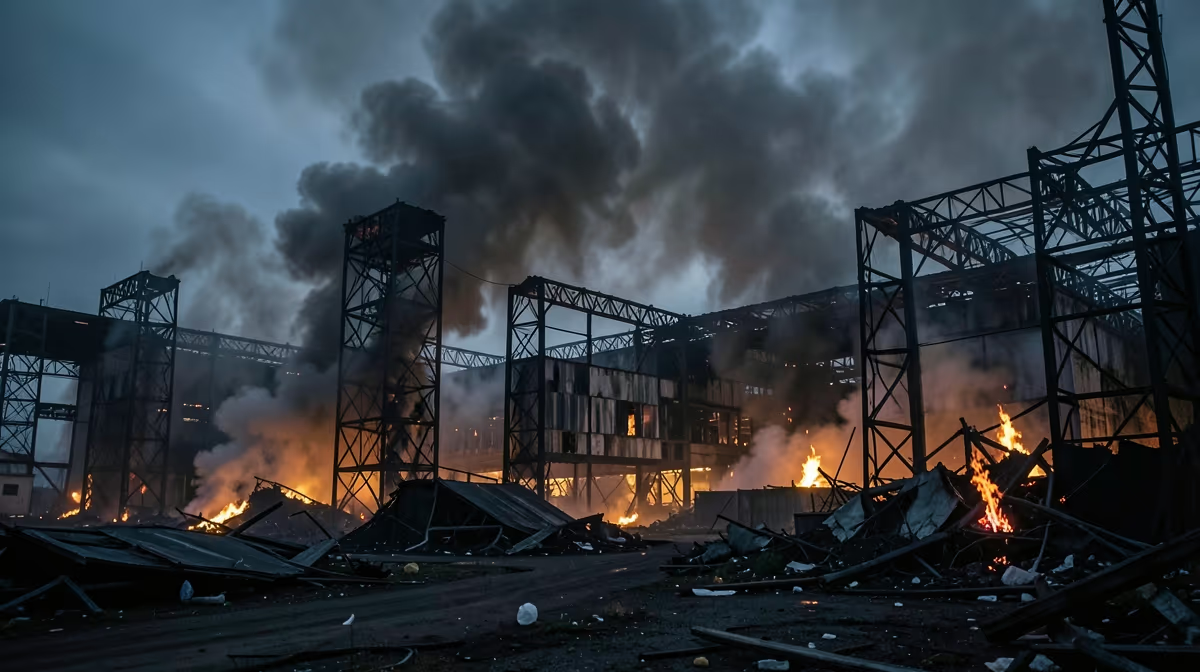
Long-range aerial operations deep within sovereign borders are redefining how modern conflicts pressure national economies. As Ukraine drone strikes hit Russian Wildberries warehouses, the operational battlefield has expanded far beyond active military front lines and into the heart of Russia’s domestic commercial infrastructure. The reported targeting of storage and distribution facilities belonging to Russia’s dominant e-commerce giant marks a significant tactical turn in the ongoing conflict. By directing long-range strike capabilities toward critical civilian logistics hubs, Ukraine is executing an asymmetric strategy designed to shift the economic footprint of the war directly into the daily lives of Russian citizens and the corporate networks that sustain internal commerce.
The targeting of Wildberries infrastructure marks an expansion of asymmetric warfare from front-line combat deep into Russia's domestic corporate and supply chain networks.
Targeting the Hubs of Domestic Commerce
The direct aerial bombardment of commercial storage nodes illustrates how deeply modern e-commerce infrastructure has become intertwined with national stability during a prolonged conflict. Wildberries relies on high-density automated fulfillment centers to handle millions of daily consumer orders. When aerial strikes hit these large-scale facilities, the operational damage extends past physical building structures, impacting stored inventory, automated sorting systems, and regional dispatch networks that feed goods into domestic retail channels.
Anatomy of an Asymmetric Logistics Attack
Operational Sequence of Events
- Ukraine expands long-range drone capabilities specifically capable of penetrating defensive airspace to target Russian industrial and logistics nodes.
- Ukrainian drone strikes successfully execute targeted hits on Wildberries fulfillment and warehouse infrastructure located inside Russian territory.
- Military analysts and supply chain experts assess the broader impact of asymmetric warfare on Russia's internal commercial supply chains and domestic market stability.
This operational sequence parallels mid-20th-century conflicts, where strategic bombing campaigns shifted focus toward domestic logistics networks and industrial supply lines to weaken internal distribution networks. In contemporary economic warfare, targeting central digital retail distribution hubs accomplishes a similar strategic objective by disrupting internal commerce without relying solely on front-line combat engagements.
Strategic bombing campaigns targeting domestic logistics and industrial supply lines demonstrate how modern conflicts disrupt internal commercial networks long before front-line positions shift.
Economic Fallout and Supply Chain Pressures
Beyond immediate inventory loss, the broader logistics sector inside Russia faces mounting financial strain. Financial analysts expect logistics firms operating across the country to contend with sharply rising insurance premiums as domestic corporate assets are increasingly recognized as vulnerable targets. Private logistics companies and commercial operators must now factor the elevated risk of aerial drone attacks into their long-term operational costs.
| Strategic Dimension | Observed Impact & Technical Outlook |
|---|---|
| Primary Target Asset | Wildberries commercial fulfillment centers and storage facilities |
| Tactical Methodology | Long-range aerial drone strikes hitting internal Russian territory |
| Operational Vulnerability | High-density commercial supply chains and civilian retail hubs |
| Corporate Financial Impact | Elevated insurance costs, facility repair expenses, inventory loss |
| Expected Defensive Shift | Increased pressure for physical security and regional air defense |
Broader Geopolitical Implications and Civilian Disruption
Furthermore, these developments influence international discussions regarding long-range targeting permissions and defense support. Demonstrating the capacity to disrupt internal Russian commercial networks highlights the growing reach of indigenous long-range strike platforms. Domestically, the impact directly touches millions of Russian citizens who depend on Wildberries for routine consumer purchases, as well as thousands of third-party merchants who rely exclusively on the platform's fulfillment infrastructure to distribute their goods across the country.
Security Mobilization and Private Sector Defense
This pressure shifts part of the defense burden onto private corporate entities and local administrative bodies. Corporate executives and Russian regional authorities are forced to consider mobilizing private security resources, hardening warehouse architecture, and integrating private logistics nodes into regional defense networks. As a result, commercial enterprise in Russia is increasingly required to adapt to wartime conditions, diverting capital toward physical security enhancements and asset protection measures.
Predictive Outlook: 24 to 72 Hours
Next 24 Hours
Next 72 Hours
In a best-case scenario, Wildberries rapidly reroutes shipments through its auxiliary fulfillment network, incurring minimal consumer delivery delays and quickly stabilizing regional retail supply chains. Conversely, in a worst-case scenario, structural damage causes severe e-commerce fulfillment bottlenecks, while heightened risks of follow-up drone attacks create widespread instability across civilian logistics networks nationwide.
Frequently Asked Questions
What happened during the Ukrainian drone strikes on Wildberries warehouses?
Ukrainian drone strikes targeted and hit logistics facilities belonging to Wildberries, Russia's largest online retailer. The attacks caused significant disruptions to the company's storage and distribution infrastructure.
Why do these drone strikes matter for the conflict?
These strikes represent an expansion of targeting into Russia's critical commercial and economic supply chains rather than strictly military installations. Disrupting major retail hubs puts additional pressure on the Russian domestic economy and logistics network.
Who is affected by the attacks on Wildberries warehouses?
Millions of Russian consumers who rely on the platform for daily deliveries are directly impacted by potential shipment delays and inventory losses. Additionally, thousands of third-party merchants who use Wildberries to sell their goods face operational setbacks.
What happens next following the warehouse attacks?
Wildberries is expected to assess the structural damage and work on rerouting its supply chains to minimize delivery delays for customers. Meanwhile, security measures around major logistics and commercial hubs in Russia will likely be heightened to deter future drone attacks.
What is the background of Wildberries in Russia?
Wildberries is Russia's dominant e-commerce giant, operating vast warehouse networks and fulfillment centers across the country. Its massive scale makes it a prominent fixture of the Russian retail economy, which has increasingly become intertwined with broader wartime logistics and vulnerabilities.
Which specific facilities were targeted in the operation?
Reports indicate that the strikes specifically hit Wildberries warehouse infrastructure inside Russian territory. While exact regional breakdowns and casualty figures are still being evaluated, the incidents highlight the vulnerability of large-scale civilian commercial hubs to aerial drone operations.
Conclusion
The drone strikes targeting Wildberries warehouses mark a definitive point in the evolution of economic warfare during the conflict. Confirmed reports from Reuters substantiate that long-range aerial strikes successfully struck corporate logistics infrastructure inside Russian territory, directly affecting the country's primary e-commerce provider. As Wildberries works to assess structural damage, re-route supply chains, and mitigate fulfillment delays, the wider logistics sector faces structural challenges, including rising insurance costs and urgent demands for physical security upgrades. Moving forward, key players—including Wildberries management, Ukrainian drone operators, and Russian regional authorities—will shape how commercial networks adapt to an environment where civilian logistics hubs remain vulnerable to asymmetric long-range strikes.


