
Severe Heatwave Impact in India Puts National Infrastructure to the Test
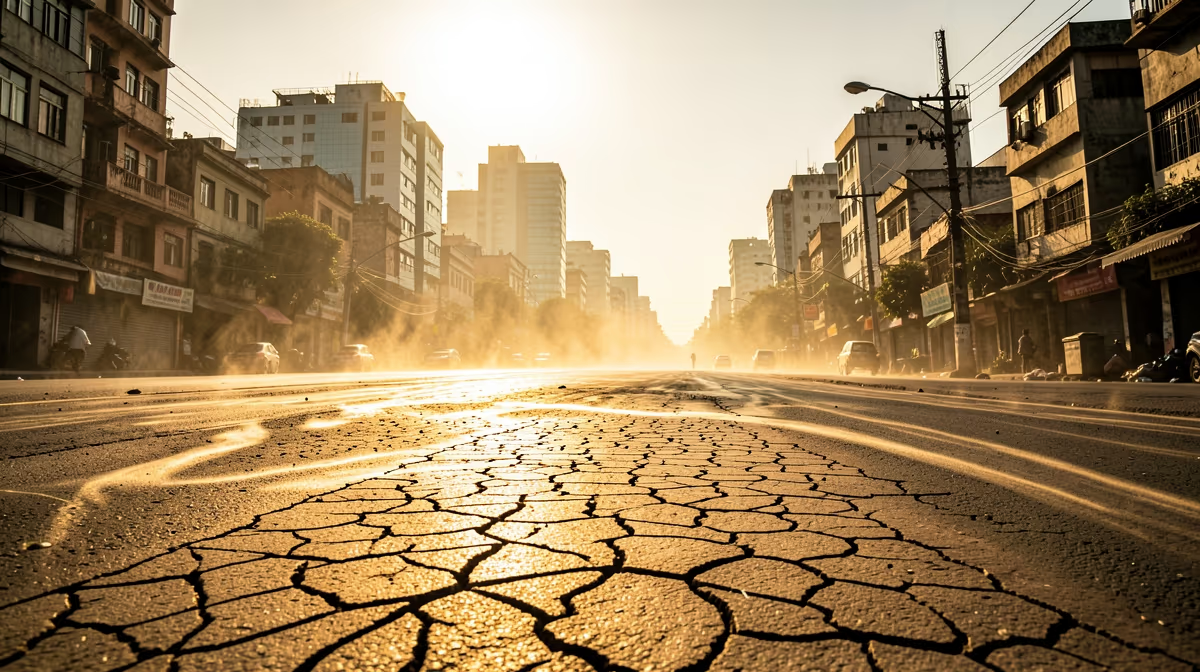
The human body is currently reaching the outer limits of its physiological endurance across vast stretches of Northwest and Central India as persistent, record-breaking temperatures transform the landscape into a crucible of extreme thermal stress. This intensifying heatwave impact in India is forcing an urgent, radical reassessment of how the nation designs its urban centers, manages its power grids, and protects its most vulnerable citizens from a shifting climate reality.
Current Meteorological Reality
The India Meteorological Department has issued severe heatwave alerts across Northwest and Central India this week, with maximum temperatures soaring four to six degrees Celsius above seasonal norms. In regions including Rajasthan, Punjab, Haryana, and Delhi, weather stations have repeatedly recorded temperatures exceeding the 45-degree Celsius mark. These conditions are driven by a sustained pattern of dry, hot westerly winds emanating from desert regions, which prevent the cooling effects typically provided by convective atmospheric activity. Local administrations have responded by issuing health advisories, specifically warning residents to avoid outdoor activity between 12:00 PM and 4:00 PM. The situation is further compounded by high humidity levels in specific pockets, which elevate the real-feel temperature, placing unprecedented strain on human thermoregulation and critical public utility infrastructure.
Understanding the Thermal Surge
The current crisis is not merely a product of seasonal variability but is rooted in a systemic transformation of the regional environment. Scientists point to the intensification of urban heat islands, exacerbated by rapid deforestation and the depletion of water tables, which reduces the natural evaporative cooling potential of the land. In simple terms, the lack of cloud cover and the presence of trapped, stagnant hot air masses are preventing the atmosphere from releasing accumulated thermal energy. This creates a feedback loop where the built environment—concrete, glass, and asphalt—absorbs heat during the day and releases it at night, denying the population any restorative relief. For the average resident, this means that even short periods of outdoor exposure pose a tangible risk of heat-related illness, such as dehydration or heatstroke.
Why This Matters for Policy and Economy
The ripple effects of this extreme heat extend far beyond personal discomfort. From an economic perspective, the nation is witnessing a significant decline in labor productivity, particularly within the informal sector where millions of workers operate outdoors with little protection. Simultaneously, the agricultural sector faces critical threats; prolonged heat stress can wilt vital food crops and deplete essential soil moisture, carrying the potential to influence food inflation. Infrastructure is equally strained, as the demand for air conditioning and refrigeration causes unprecedented surges in power consumption. This forces policymakers to navigate the difficult balance of subsidizing energy for agriculture while ensuring the stability of an industrial grid already pushed to its capacity. Historical parallels, such as the 1943 Bengal famine, serve as a stark reminder of how environmental stressors, when combined with systemic policy failures, can rapidly escalate into humanitarian crises.
Analytical Perspectives on Resilience
Expert analysis indicates that we have entered a phase of persistent wet-bulb temperature extremes that challenge the sustainability of current economic growth models. The root causes remain deeply embedded in land-use changes and water management policies. From a geopolitical standpoint, the scarcity of water is beginning to test the limits of regional cooperation in the Indus and Ganges basins. Furthermore, the increasing habitability crisis in certain zones threatens to spark migration patterns that could alter the social fabric of urban centers. For policy makers, the path forward requires a shift from reactive disaster management to proactive climate-resilient infrastructure. This includes integrating heat-reflective materials into urban planning, diversifying energy sources to prevent grid failures, and implementing robust public health policies that specifically index the health of informal sector workers, whose vulnerability is often missing from official metrics.
Projected Forecast and Potential Outcomes
The next 24 hours will see severe heatwave conditions persist across Northwest and Central India, with maximum temperatures likely remaining in the 42 to 45-degree Celsius range. Vulnerable populations are advised to remain under heightened heat stroke alerts. Looking toward the next 72 hours, the India Meteorological Department anticipates a marginal shift in wind patterns, which may provide slight relief to parts of Rajasthan and Punjab; however, conditions are expected to remain critical in Vidarbha and Telangana. Experts suggest that the best-case scenario involves the early arrival of monsoon rains in Southern and Western coastal regions, which would provide the atmospheric cooling needed to break the heat cycle. Conversely, the worst-case scenario entails a continuation of the current dry spell, which could trigger acute water shortages and systemic failures within the power grid, leading to a spike in heat-related mortality.
Frequently Asked Questions
What are the common symptoms of excessive heat exposure?
Common symptoms include heavy sweating, rapid pulse, dizziness, fatigue, and nausea. If you experience these signs, it is important to move to a cooler place immediately and hydrate with water or electrolyte-rich drinks.
How can I stay cool during an extreme heatwave in India?
To stay cool, keep your home ventilated during the night and close curtains or blinds during the day to block direct sunlight. Staying hydrated, wearing light-colored cotton clothing, and avoiding strenuous outdoor activities between 12 PM and 4 PM are highly recommended.
What is the best way to prevent heatstroke?
Preventing heatstroke involves staying consistently hydrated and avoiding prolonged sun exposure during peak hours. You should also wear breathable fabrics and use protective gear like hats or umbrellas when stepping out into the sun.
Why is excessive heat dangerous for health?
Excessive heat can overwhelm the body's natural cooling mechanisms, leading to heat exhaustion or life-threatening heatstroke. It can also exacerbate underlying health conditions such as cardiovascular and respiratory issues, making it critical to take precautions.
What should I drink to prevent dehydration in hot weather?
Water is the best choice for hydration, but you can also consume buttermilk, coconut water, or nimbu paani to replenish lost electrolytes. Avoid excessive caffeine, alcohol, and sugary drinks, as these can contribute to further dehydration.
Are elderly people more at risk during excessive heat?
Yes, elderly individuals are at a higher risk because their bodies may have a reduced ability to regulate temperature and maintain fluid balance. It is important to monitor them closely and ensure they remain in air-conditioned or well-ventilated areas.
Conclusion
The current heatwave serves as a definitive turning point for India, highlighting the urgent necessity of transitioning toward climate-resilient urban and social infrastructure. While meteorological forecasts suggest a potential window for relief through upcoming shifts in wind patterns and the anticipated arrival of the monsoon, the underlying vulnerabilities in energy, water, and public health remain. Moving forward, the focus for policymakers and urban planners must remain on mitigating the systemic impacts of heat on the most vulnerable sectors of the economy. Establishing long-term, data-driven heat resilience strategies is no longer a secondary concern; it is a fundamental requirement for maintaining regional stability and safeguarding public health against the growing frequency of extreme climate events.


.webp)

.webp)

