
Hydrogen Train Trials in India Signal a Massive Shift in Rail Travel
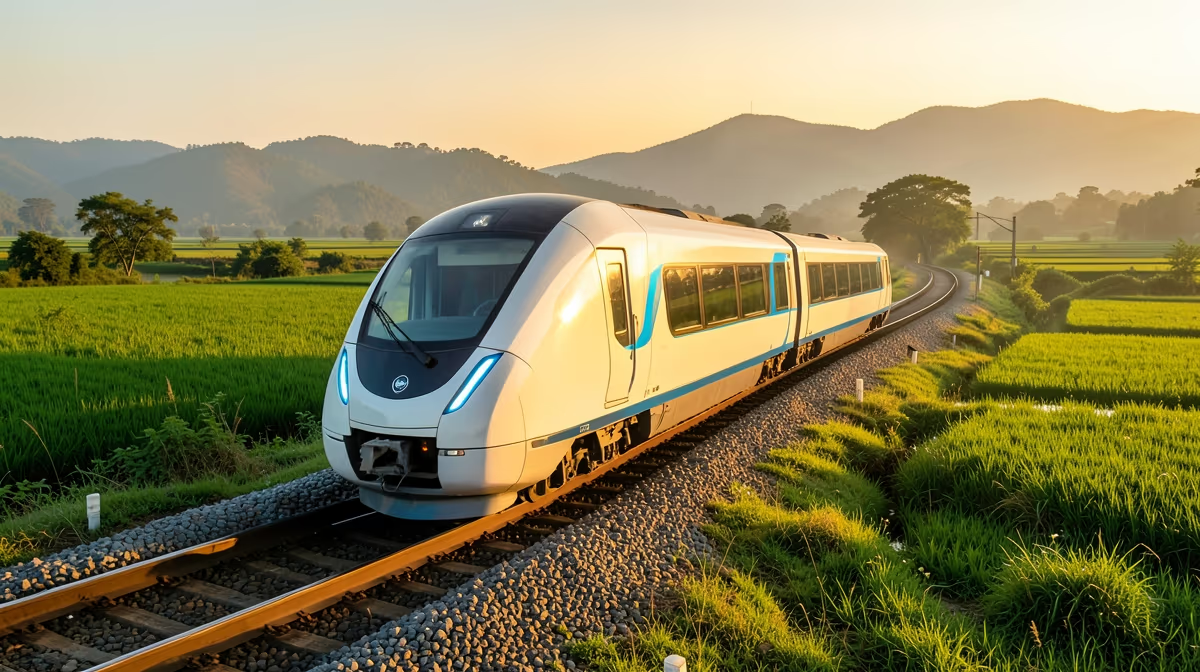
The Indian Railways has officially initiated its green energy transition by conducting the maiden trial run of the country's first hydrogen-powered train on the Jind-Sonipat section in Haryana, marking a strategic pivot toward zero-emission rail travel. The introduction of the hydrogen train in India marks a significant shift toward sustainable mobility, as these innovative hydrogen fuel cell trains are set to reshape rail infrastructure across the nation and accelerate the decarbonization of transport.
The Mechanics of Green Rail
At its core, a hydrogen train is a rail vehicle that uses hydrogen fuel cells to generate electricity, which powers the electric motors that drive the train. Instead of burning diesel fuel, the system facilitates a chemical reaction between hydrogen and oxygen. The only exhaust this process produces is pure water, making it a clean and eco-friendly alternative to conventional internal combustion engines. These trains are specifically designed to operate on non-electrified routes, replacing older, diesel-guzzling locomotives that have long defined regional transit. By moving away from fossil fuels, the Indian Railways aims to significantly lower its carbon footprint while providing passengers with a quieter, smoother, and more modern travel experience.
The Strategic Vision Behind the Initiative
The transition to hydrogen rail is a major milestone in the national climate strategy. As one of the country's largest consumers of energy, the railway sector is ripe for transformation. Switching to hydrogen can drastically reduce air pollution in sensitive ecological zones and urban centers. This project, officially branded as the Hydrogen for Heritage initiative, serves as a manifestation of Aatmanirbhar Bharat, or self-reliance, positioning the current administration as a pioneer in green technology amidst global climate diplomacy pressures. By fostering an indigenous hydrogen industrial ecosystem, India is working to reduce its heavy reliance on imported diesel fuel, a strategic pivot that aligns with the broader goal of long-term energy independence.
Key Development Milestones
The timeline of this transition reflects a steady move from theory to reality. Following the launch of the National Hydrogen Mission in 2021 and initial feasibility studies, the 2023-2024 Union Budget provided a critical budgetary commitment to the Hydrogen for Heritage project. This led to the development of indigenous hydrogen fuel cell stacks and the successful prototype deployment on the Jind-Sonipat section in 2024. The initiative is now focusing on heritage and mountainous routes, such as the Kalka-Shimla and Nilgiri Mountain lines, which are ideal for testing fuel cell technology in diverse and challenging climatic conditions.
Economic and Infrastructure Challenges
While the environmental benefits are clear, the path to commercial scalability faces significant hurdles. The primary bottleneck remains the establishment of localized hydrogen refueling infrastructure. Unlike electric trains that draw power from an existing grid, hydrogen trains require specialized bunkering facilities and safe storage for high-pressure gas. Economically, the initiative faces high capital expenditure (CAPEX) for rolling stock and green hydrogen production. Analysts note that there are significant energy conversion losses involved in hydrogen fuel cells compared to direct electrification, suggesting that these trains may initially serve as a public-facing research and development showcase rather than a total replacement for electrified mainlines. However, this mirrors the 1970s push for massive rail electrification, which was initially criticized for high costs before becoming the backbone of the national transport network.
Looking Ahead: The Next 72 Hours and Beyond
The coming days will be defined by intensified technical assessments and tender updates regarding the heritage line hydrogen locomotive projects. Within the next 24 hours, the public can expect announcements from the Ministry of Railways regarding the deployment timeline of the Vande Metro hydrogen pilots. Experts predict that the focus will shift decisively from prototype validation to the practical construction of hydrogen storage and supply chains. In a best-case scenario, the successful integration on heritage tracks will trigger a rapid expansion into short-haul intercity passenger services. Conversely, a worst-case scenario involves prolonged delays due to safety concerns and cost, which could lead to the downgrading of these initiatives in favor of full, traditional electrification.
The Broader Impact
The deployment of hydrogen fuel cell trains affects a wide demographic, ranging from commuters on regional and heritage lines to local residents living near non-electrified tracks. By decarbonizing the rail sector, India is positioning itself as a leader in clean transport technology for developing nations. The project also influences the domestic manufacturing sector, as companies like BHEL and the Integral Coach Factory ramp up efforts to build indigenous rolling stock. As the country moves toward its net-zero carbon emissions goal by 2070, the hydrogen rail pilot remains a critical test of whether high-tech, clean energy solutions can be effectively adapted to the complexities of the world's fourth-largest railway network.
Frequently Asked Questions
What is a hydrogen train and how does it work?
A hydrogen train is a rail vehicle that uses hydrogen fuel cells to generate electricity, which powers the electric motors that drive the train. Instead of emitting carbon, the system only releases water vapor and warm air as byproducts, making it a clean alternative to diesel-powered trains.
Are hydrogen trains currently operating in India?
The Indian Railways is actively working on the Hydrogen for Heritage initiative to introduce hydrogen-powered trains on various heritage routes. While pilot projects are in the development and testing phase, these trains are expected to be deployed soon to replace older diesel locomotives.
What are the main benefits of hydrogen trains for the Indian railway system?
Hydrogen trains offer a significant reduction in carbon emissions and help India achieve its net-zero carbon goals for the railway sector. Additionally, they provide a quieter, more efficient alternative to diesel trains, especially on non-electrified routes where grid infrastructure is difficult to install.
How much does a hydrogen train cost compared to electric trains?
Hydrogen trains currently have a higher initial capital cost compared to traditional electric or diesel trains due to the complex fuel cell technology and storage infrastructure. However, as the production of green hydrogen scales up, operational costs are expected to decrease, making them more competitive for long-term sustainability.
What are the major challenges for hydrogen trains in India?
The primary challenges include the high cost of producing green hydrogen and the need for a robust refueling infrastructure across the country. Additionally, storing and transporting hydrogen safely requires specialized logistics, which currently limits widespread adoption.
Which routes in India are planned for hydrogen trains?
The Indian Railways has identified several heritage routes, such as the Kalka-Shimla and Nilgiri Mountain Railway, for the introduction of hydrogen trains. These routes were chosen to demonstrate the technology's viability while preserving the ecological sensitivity of these regions.
Conclusion
The hydrogen train initiative in India represents a strategic, technology-driven approach to decarbonizing rail infrastructure. With successful trial runs completed on the Jind-Sonipat section and specific allocations for the Hydrogen for Heritage project, the government has moved from conceptual planning to operational reality. While challenges regarding refueling logistics and capital costs remain significant, the ongoing integration efforts highlight a commitment to energy efficiency and environmental stewardship. The next phase will focus on scaling these pilots into sustainable, operational services, potentially serving as a global model for transitioning heritage and regional rail networks to green hydrogen power.


.webp)


.webp)
