
New Air Force One Program Faces Critical Hurdles Moving Into 2027
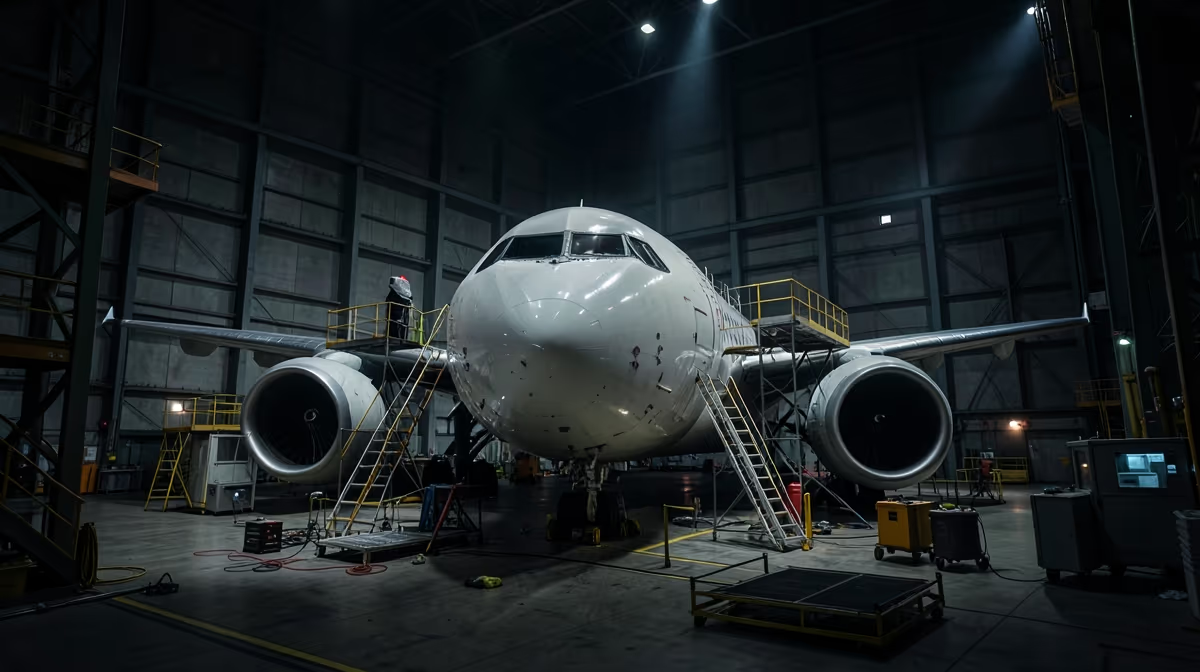
The US presidential fleet is undergoing a significant transition as the new Air Force One project pushes forward. As the Boeing VC-25B continues its development, taxpayers and aviation enthusiasts alike are tracking the timeline and budget of this critical presidential aircraft program. This undertaking represents more than just a fleet upgrade; it is a complex engineering endeavor to replace the aging VC-25A airframes that have served as the airborne command center for the presidency since 1990.
The Evolution of Presidential Transport
The current fleet of VC-25A aircraft, based on the 747-200B model, has reached a critical threshold regarding maintenance costs, parts obsolescence, and the demanding cybersecurity requirements of the modern era. Originally entering service during the transition from the Cold War to a unipolar global landscape, these jets are now fundamentally ill-equipped to handle the sophisticated communication and defensive suites required by contemporary national security standards.
To bridge this gap, the Air Force selected the Boeing 747-8 airframe to serve as the platform for the next-generation presidential transport. These massive, highly modified aircraft, officially designated as the VC-25B, are intended to function as a flying White House. The project involves a complete redesign of the interior, incorporating advanced medical facilities, workspace environments, and military-grade communication systems designed to maintain continuity of government even in the most extreme scenarios.
Engineering Complexity and Schedule Delays
The journey toward the delivery of these aircraft has been marked by significant hurdles. What began as a 2015 selection process has morphed into a multi-year effort defined by technical engineering challenges and complex supply chain constraints. Originally, the program operated under a fixed-price contract negotiated in 2018, which has since become a major source of financial strain for Boeing. The company has incurred over 2 billion dollars in losses on the project, largely due to the intricacies of retrofitting a commercial airliner with next-generation aerial refueling capabilities and advanced electronic warfare suites.
Current reports from the Pentagon confirm that structural modifications are underway at the Boeing San Antonio facility. However, the anticipated delivery date has been pushed to at least 2027 or 2028. This delay highlights the long-term nature of defense procurement cycles, where the integration of classified developmental systems often proves more time-consuming than initial projections suggested.
The Political and Economic Landscape
The presidential aircraft program has frequently transitioned into a high-profile political football. Successive administrations have used the project to signal strength to their respective bases, often focusing on contract negotiations, cost-overrun discussions, and debates over the aircraft's aesthetic branding. Beneath the surface, the transition from a fixed-price contract to a cost-plus-incentive-fee model reflects the immense financial risks absorbed by the manufacturer. This shift was necessitated by labor shortages, supply chain inflation, and the stringent, non-negotiable requirements of military-grade aviation engineering.
From a geopolitical perspective, the aircraft serves as a cornerstone of nuclear deterrence and crisis management. By providing the Commander-in-Chief with a mobile, secure command center, the United States signals to global adversaries that it can maintain operational continuity regardless of the status of ground facilities. This necessity makes the upgrade of the fleet a non-negotiable priority for national security planners, regardless of the fiscal challenges associated with the program.
Looking Toward Operational Readiness
In the coming 24 hours, Boeing is expected to continue its integration of communication systems and interior outfitting in San Antonio, with no major changes to the public schedule. Over the next 72 hours, observers anticipate increased oversight from government auditors regarding procurement costs and potential updates from Congressional Appropriations Committees. While expert predictions suggest that moderate delays remain likely due to the complexity of technical certifications, there is a consensus that the program will remain a vital national security asset.
The best-case scenario for the program involves significant efficiency breakthroughs that stabilize costs and allow for delivery within the 2027-2028 window. Conversely, the worst-case scenario involves technical failures during flight testing or further labor disputes that could necessitate a multi-year delay, potentially inviting intense political backlash and requiring a total restructuring of the program.
Frequently Asked Questions
When will the new Air Force One be ready?
The new Air Force One aircraft, officially designated as the VC-25B, is currently projected to be delivered by 2027 or 2028. This represents a significant delay from the original target date due to technical challenges and supply chain issues.
What model is the new Air Force One?
The new Air Force One is based on the Boeing 747-8 platform. These aircraft are undergoing extensive modifications by Boeing to meet the specialized security and communication requirements of the President of the United States.
How much does the new Air Force One cost?
The total cost for the new Air Force One program is estimated to exceed 4 billion dollars. This budget covers the procurement of two modified Boeing 747-8s as well as the significant research, development, and engineering required to militarize the jets.
Why is the new Air Force One being delayed?
The project has faced delays primarily due to supply chain shortages, labor challenges, and complex engineering requirements. Additionally, contract disputes between the Air Force and Boeing regarding cost overruns have contributed to the extended timeline.
What features will the new Air Force One have?
The new aircraft will feature upgraded electrical power systems, advanced communication suites, and medical facilities to ensure the President can function as commander-in-chief in any environment. They will also include defensive measures and the ability to be refueled in mid-air.
Will the new Air Force One have a different paint scheme?
While there were initial discussions about changing the iconic blue and white livery to a red, white, and blue design, the Air Force eventually decided to stick with a scheme very similar to the current one. This decision was made to avoid the extra engineering and thermal challenges associated with the darker paint colors.
Conclusion
The development of the VC-25B remains one of the most visible and complex procurement efforts within the U.S. defense sector. While the project is currently facing delays that push delivery into the term of the next presidential administration, the focus remains on the structural and electronic modifications necessary to ensure the aircraft can serve as a reliable command center for decades. As the program continues under rigorous military oversight, the final outcomes for the budget and timeline will depend on the successful resolution of technical certifications and the stabilization of the supply chain. For now, the focus is squarely on advancing the aircraft toward flight testing, ensuring that the next generation of presidential transport meets the exacting standards required for national security.


.webp)
