
Russia Fuel Shortages Signal Major Cracks in Energy Infrastructure
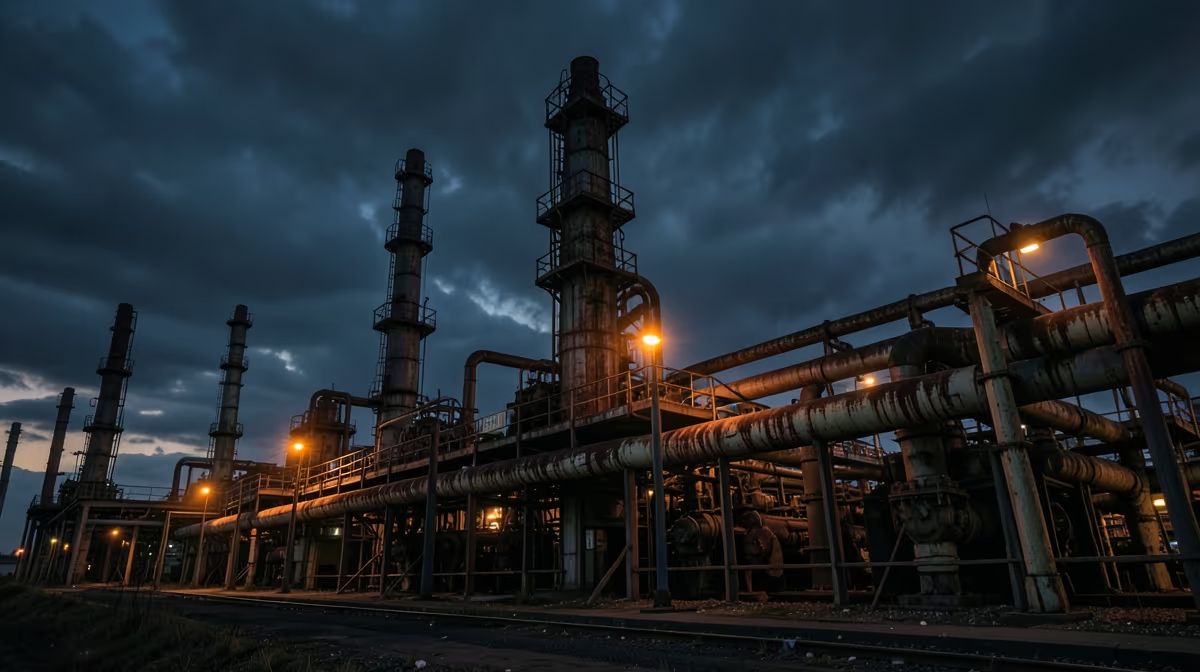
Deep beneath the surface of the global energy market, a silent crisis is testing the structural integrity of the world’s second-largest oil exporter. Recent reports of Russia fuel shortages have sparked concerns regarding the stability of energy exports and the long-term efficacy of Western sanctions, revealing a disconnect between the nation’s massive extraction capabilities and its ability to distribute refined product to its own citizens.
The Mechanics of the Crisis
At its core, the fuel crisis is a consequence of aging infrastructure colliding with the realities of a wartime economy. While Russia remains a major global producer of crude oil, the capacity to transform that crude into usable gasoline and diesel has been severely hampered. A confluence of factors drives this volatility: the persistent need for complex refinery maintenance, logistical bottlenecks within the state-controlled railway system, and the cumulative impact of international sanctions that have restricted access to the specialized Western technology required for process optimization.
The situation is further complicated by the ongoing conflict, which necessitates the prioritization of fuel for military operations. When this massive, existential demand is layered over a refining sector struggling with drone strikes and technical degradation, the domestic market inevitably suffers. The result is a tightening supply chain that leaves independent gas stations and regional hubs increasingly vulnerable to stockouts.
Infrastructure and Security Vulnerabilities
The durability of Russian energy infrastructure has become a focal point for observers. In 2024, multiple key oil refineries were targeted by long-range drone strikes, causing significant damage that reduced total domestic processing capacity. These incidents forced many facilities to accelerate maintenance schedules, essentially taking offline the very units responsible for stabilizing the fuel supply.
This technical strain is exacerbated by a systemic loss of expertise. The departure of specialized petroleum engineers and the difficulty in securing proprietary Western software for refinery process optimization have created a performance gap. Consequently, the industry is struggling to perform the routine upgrades necessary to keep aging machinery running at peak efficiency, creating a bottleneck that has echoes of the logistical failures seen in the late 1980s.
Economic Consequences and Agricultural Risk
The most immediate danger of these shortages lies in the agricultural heartland. As the harvest season approaches, the need for diesel to power heavy machinery becomes a matter of food security and economic stability. If farmers cannot access the fuel required to plant and harvest crops, the result could be a sharp decline in yields, contributing to inflationary pressures across the domestic economy.
Retail fuel prices have reflected this tension, experiencing significant volatility throughout the year. While these prices remain lower than those in many Western nations due to government price controls, the state has been forced to mandate that major oil companies prioritize domestic fulfillment over international contracts. This shift is not merely a matter of policy but a necessity to prevent civil unrest caused by rising costs at the pump.
Geopolitical and Market Implications
From a geopolitical perspective, these supply constraints have fundamentally altered the balance of power within the energy sector. Reduced surplus capacity means that Moscow’s ability to influence global markets—or weaponize energy exports—is increasingly limited. The need to maintain domestic stock levels has forced the government to periodically implement temporary bans on gasoline and diesel exports.
These interventions serve as a clear signal of the limitations facing the Russian energy industry. While the Kremlin continues to monitor the supply-demand balance on a daily basis, the reliance on such emergency measures suggests that the structural issues within the refining sector are likely to persist as long as the country remains isolated from the global supply chains of advanced technical equipment.
Short-Term Projections
In the immediate term, analysts anticipate increased volatility in regional wholesale fuel prices, with continued reports of localized disruptions at smaller, independent gas stations. The next 72 hours will likely see the implementation of stricter export monitoring by the Russian government and the issuance of potential emergency domestic supply mandates to stabilize local stocks.
Expert consensus suggests that the current situation is not merely a temporary blip but a structural issue requiring sustained intervention. The best-case scenario involves rapid state action that effectively redirects sufficient supply to the domestic market, allowing the harvest season to proceed without significant logistics failures. Conversely, a worst-case scenario involves prolonged shortages that paralyze agricultural transport and public logistics, leading to severe inflationary pressure and an expanded export ban that could shock global energy markets.
Frequently Asked Questions
Why is Russia experiencing fuel shortages?
Russia has faced fuel shortages due to a combination of seasonal demand, maintenance at oil refineries, and disruptions caused by external sanctions. Additionally, logistical challenges in transporting fuel across the country and a reduction in government subsidies for fuel producers have exacerbated the supply issues.
Are fuel shortages in Russia affecting global oil prices?
The shortages within Russia have created localized market instability but have had a limited direct impact on global crude oil prices. While Russia is a major global oil exporter, domestic supply constraints primarily affect internal fuel availability rather than the overall volume of crude it exports to international markets.
How has the war in Ukraine impacted Russia's domestic fuel supply?
The ongoing conflict has placed immense pressure on Russia's infrastructure, as significant fuel supplies are diverted to support military operations. Drone attacks on major refineries have also disrupted production capacity, forcing the government to prioritize military needs over civilian market demands.
Is gasoline expensive in Russia compared to other countries?
Despite internal supply issues, gasoline prices in Russia remain significantly lower than in most Western nations due to government price controls and domestic refining capabilities. While prices have seen some inflation, the state continues to heavily influence the market to ensure affordability for its citizens.
Has Russia implemented export bans to combat fuel shortages?
Yes, the Russian government has periodically implemented temporary bans on the export of gasoline and diesel to stabilize domestic supplies. These measures are designed to ensure that enough fuel remains within the country to satisfy domestic consumption and prevent further price hikes.
What is the long-term outlook for fuel availability in Russia?
The long-term outlook remains uncertain as it depends on the duration of the conflict and the effectiveness of international sanctions on Russian technology imports. If refinery infrastructure continues to suffer from a lack of western spare parts and maintenance, Russia may continue to struggle with balancing domestic needs and export commitments.
Conclusion
The current fuel supply crisis in Russia represents a complex intersection of infrastructure failure, military requirements, and the lingering effects of international sanctions. While the government has successfully implemented emergency measures, such as temporary export bans, to prevent a total market collapse, the underlying structural issues—particularly within the refining sector—remain unaddressed. The coming months will be critical, as the success of the harvest season and the stability of domestic logistics will depend entirely on the effectiveness of state-controlled supply management. For now, the global energy landscape remains alert to the potential for further export fluctuations should internal pressures continue to intensify.


.webp)

.webp)
