
Ukraine Drone Strike Targets Omsk Refinery Impacting Energy Security
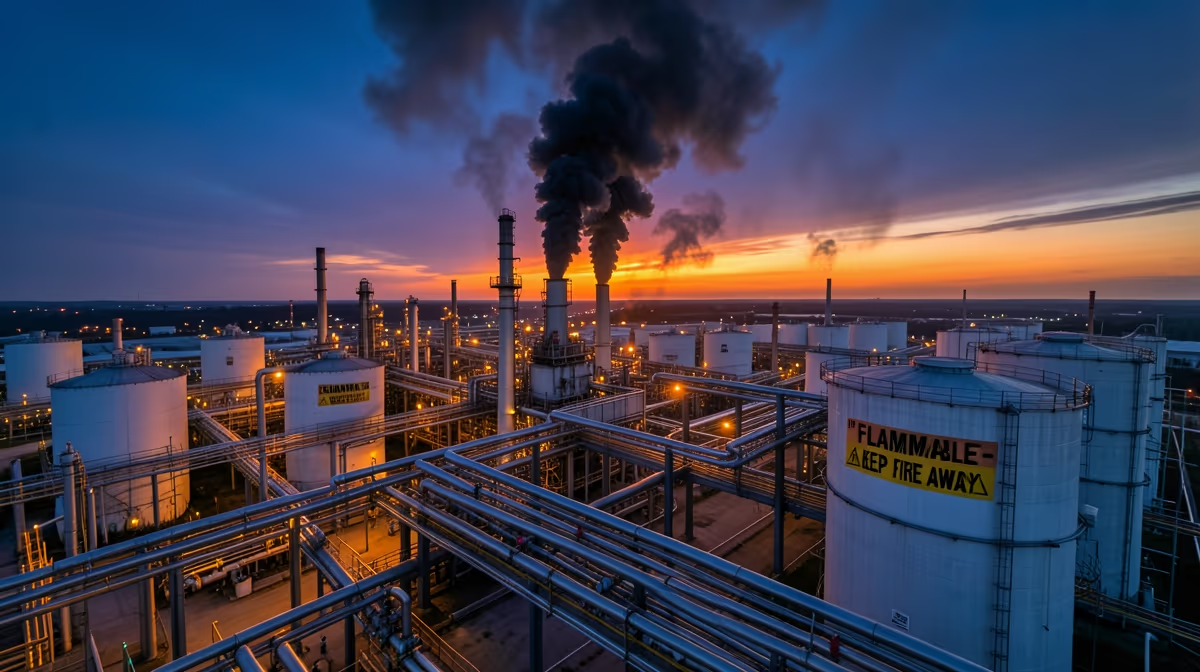
The smoldering horizon over Siberia signals a profound shift in the Russia-Ukraine conflict, as the strategic reach of long-range aerial incursions now extends deep into the heart of Russia’s industrial landscape. This latest Ukraine drone strike Omsk refinery incident marks a significant escalation in the ongoing regional struggle, raising urgent questions about Russian energy security and the long-term stability of global oil supply chains.
Anatomy of the Strike
The operation targeted the Gazprom Neft Omsk oil refinery, a massive industrial complex located approximately 2,700 kilometers from the Ukrainian border. On Sunday, reports confirmed that a fire broke out at the facility following a suspected drone incursion. Local emergency services were immediately dispatched to the site to contain the blaze, which reportedly erupted at the primary processing unit. While Omsk Regional Governor Vitaliy Khotsenko characterized the incident as limited in scope and under control, satellite imagery and local reports corroborated that a significant fire had compromised a critical node of the facility.
For the international community, this strike is not merely an isolated military event but a demonstration of Ukraine's evolving capability to project power into the Russian hinterland. By reaching deep into Siberia, Kyiv has challenged the traditional notion that distance provides immunity to vital industrial assets. The facility is recognized as one of the largest and most critical crude oil processing plants in the Russian Federation, serving as a pillar for domestic fuel distribution and broader economic activity.
Strategic Shift in Asymmetric Warfare
The strike on the Omsk facility reflects a deliberate shift in Ukraine’s broader military strategy. Analysts observe that the Ukrainian GUR and defense forces have moved away from focusing solely on frontline kinetic operations, favoring an asymmetric attrition strategy. The goal is to cripple the Russian fuel sector, thereby reducing Moscow’s ability to fund and supply its military machine.
This tactical evolution involves the sustained, precision targeting of energy infrastructure that the Kremlin once considered secure. By forcing Russia to divert sophisticated air defense systems—such as Pantsir units—from the active frontlines to the deep hinterland, Ukraine is successfully complicating the logistical sustainment of the Russian war effort. This is an attempt to force the Russian Ministry of Defense to choose between protecting front-line forces or shielding the infrastructure that fuels them.
Economic Implications and Market Volatility
The potential for prolonged operational downtime at the Omsk refinery carries significant economic weight. As one of Russia’s largest processing plants, its output is vital for both domestic consumption and the regional supply chain that reaches as far as Central Asia. The incident has sent ripples through energy markets, with analysts monitoring the potential for decreased refined product exports and inflationary pressure on domestic Russian fuel prices.
Furthermore, the facility relies on specialized, high-tech components that are increasingly difficult to procure due to international sanctions. Should the structural damage prove severe, the timeline for repairs remains uncertain, creating a bottleneck that could strain the regional economy. While global crude oil markets remain resilient for now, the recurring nature of these strikes on major refineries forces traders to factor in a higher geopolitical risk premium when assessing the stability of future supply chains.
Geopolitical Pressures and Escalation
This tactical move acts as a pressure test for international actors, specifically regarding the policy balance between providing support to Kyiv and managing the risk of further escalation. The Biden administration and European intelligence agencies face the difficult task of analyzing the specific drone technology utilized in these deep-territory strikes to better understand the capability and origin of the assets deployed.
From the Kremlin's perspective, these strikes are framed as acts of terror, and officials are likely to continue blaming Western-provided intelligence and assistance for the success of such incursions. The geopolitical reality is that these incidents force a precarious game of brinkmanship; Russia’s potential for retaliatory strikes targeting Ukrainian energy infrastructure or command centers remains a primary concern for observers. The risk of a high-level escalatory cycle remains the worst-case scenario, particularly if regional fuel shortages force the Kremlin to respond with more aggressive, long-range missile exchanges.
Future Outlook and Security Risks
Predictive analysis suggests that the next 24 to 72 hours will be defined by heightened security protocols at all major Russian energy infrastructure sites. Increased aerial surveillance is expected, alongside formal diplomatic statements from the Kremlin intended to rally domestic support and condemn the operation. Expert predictions indicate that Ukraine will continue to prioritize deep-territory oil facilities, viewing them as legitimate military objectives due to their critical role in fueling Russian military logistics.
The best-case outcome for the stability of the region is that the damage remains localized, allowing for rapid repairs that prevent a significant spike in regional fuel prices or further escalation of long-range exchanges. Conversely, should the fire have spread beyond the initial report, the regional fuel shortage could trigger a more severe economic crisis within Siberia, potentially straining Russia's regional influence and economic leverage over neighboring allies.
Frequently Asked Questions
Has the Omsk oil refinery been hit by a Ukrainian drone strike?
Reports regarding drone strikes on the Omsk refinery have surfaced periodically. While Ukraine has expanded its campaign, verified damage to this facility is often subject to conflicting official statements.
Where is the Omsk oil refinery located?
It is located in Omsk, a major city in southwestern Siberia, Russia, thousands of kilometers from the Ukrainian border.
Why would Ukraine target Russian oil refineries?
Ukraine targets these facilities to disrupt fuel supply chains for the Russian military and to cripple export revenue, aiming to degrade the logistics needed for the war effort.
How far is the Omsk refinery from the Ukrainian border?
It is approximately 2,500 to 2,700 kilometers away, presenting significant technical challenges for long-range drone operations.
What is the impact of drone strikes on Russian oil production?
Strikes have caused localized shutdowns and emergency repairs, though the total impact on national oil output remains a subject of ongoing debate.
Does Russia have air defenses at its Siberian refineries?
Russia has been increasing coverage at critical sites using systems like the Pantsir, though protecting every facility across such a vast territory remains a significant challenge.
Conclusion
The strike on the Omsk refinery confirms that the theater of the Russia-Ukraine conflict has expanded to include critical energy infrastructure deep within the Russian interior. While the immediate physical impact is being assessed, the event has effectively demonstrated the vulnerabilities inherent in Russia's industrial logistics chain. Moving forward, the situation will likely be defined by a persistent cycle of drone incursions and the subsequent, defensive strengthening of Russian infrastructure. The international community continues to monitor these developments, focusing on the potential for market volatility and the risk of further strategic escalation between the two nations.


.webp)
