
Ukraine Drone Strike on Omsk Refinery Stuns Global Energy Markets
The internal architecture of Russia's massive fuel production network is undergoing a fundamental stress test as long-range aerial incursions reach deep into the Siberian heartland. The recent Ukraine drone strike Omsk refinery facility marks a significant escalation in the ongoing conflict's impact on Russia energy infrastructure. As global markets react to the news, oil price volatility remains a key concern for investors and industry analysts alike, signaling that the geographic reach of the current war has effectively bypassed traditional frontline containment.
The Mechanics Of The Attack
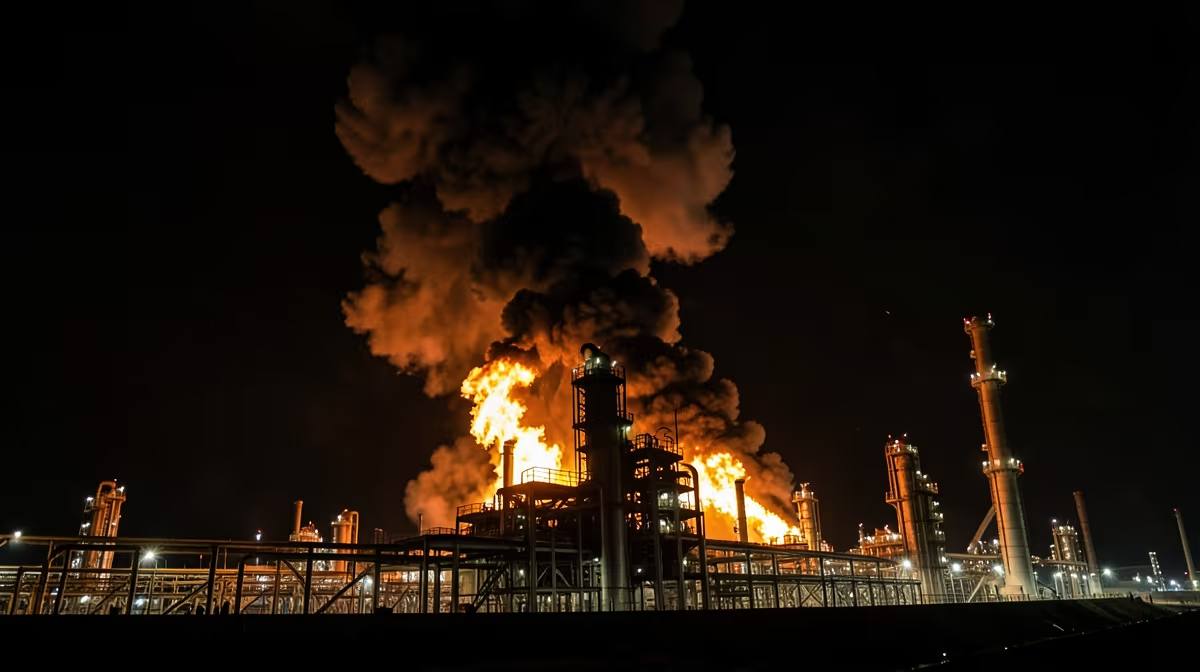
A major fire broke out at the Gazprom Neft Omsk refinery in southwestern Siberia on Wednesday following a reported Ukrainian drone strike, marking one of the deepest long-range incursions into Russian territory since the conflict began. The blaze erupted at the facility, which is one of Russia’s largest oil refineries, prompting emergency services to scramble to the site. Russian authorities confirmed the fire but initially attributed it to a technological incident, a common refrain when official sources attempt to downplay the impact of aerial attacks on critical infrastructure.
The Omsk facility, located approximately 2,700 kilometers from the Ukrainian border, represents a high-profile target within Russia's industrial landscape. While the extent of the damage to production capabilities remains unclear, local officials stated that the fire was eventually contained. The refinery plays a crucial role in processing crude oil for domestic consumption and export, and its temporary incapacitation could impact fuel supplies in the region. Verified facts surrounding the event confirm that the Omsk refinery is owned by Gazprom Neft, a significant fire occurred on Wednesday, and emergency services were deployed to control the blaze.
Strategic Shift In Targeting
The strike signals a strategic shift where Ukraine is successfully targeting deeper, critical refining nodes in Russia's industrial heartland, forcing Moscow to reallocate air defense assets from the frontlines to protect internal infrastructure. This is an asymmetric warfare strategy aimed at degrading Russian logistics and fuel supply chains to cripple mechanized offensive capabilities on the frontline. By disrupting the production and processing of fuel, Kyiv aims to weaken the logistics that support Russian operations in the war, signaling that no facility, even those thousands of miles away, is entirely safe from long-range aerial attacks.
This operational evolution carries significant weight. It creates internal pressure on the Russian military and the domestic oil and gas industry, while simultaneously testing the limits of Western-supplied long-range strike capabilities and the red lines associated with hitting critical Russian strategic economic assets. Historically, this mirrors the Allied Strategic Bombing Campaign against Nazi Germany's oil infrastructure during World War II, which specifically aimed to create systemic industrial paralysis by hitting the lifeblood of the war machine.
Economic And Geopolitical Fallout
Targeting refineries is a calculated move to undermine the Russian economy and its ability to supply troops with fuel. Because oil and gas exports are central to Russia's financial stability and military logistics, these strikes create pressure on both the Kremlin's budget and its battlefield effectiveness. From a political perspective, these strikes serve as domestic signaling within Russia to undermine the narrative of a business as usual war, while demonstrating Ukrainian intelligence penetration deep into sovereign territory.
For global markets, the incident introduces layers of uncertainty. Increased insurance premiums for Russian energy infrastructure are likely to follow, effectively tightening the fiscal belt on the Russian war budget. Furthermore, there is a hidden, yet critical, impact on internal fuel distribution, which affects agricultural harvest seasons and remote regional stability far from the Moscow power center. As global energy security strategies pivot to account for these risks, investors are closely watching Brent crude market reactions to determine if these disruptions will lead to sustained energy price spikes.
Predicting The Immediate Horizon
In the next 24 hours, stakeholders should expect increased air defense alerts across Siberian regions and immediate damage assessments at the Omsk refinery by Russian authorities. Looking toward the next 72 hours, the landscape may involve reprisal strikes by Russian forces targeting Ukrainian energy infrastructure and a spike in domestic fuel prices within Russia due to speculation.
The range of outcomes for the facility remains varied. In the best-case scenario, the damage is limited to non-critical auxiliary infrastructure, allowing the refinery to resume operations quickly without triggering a wider regional fuel crisis. However, the worst-case scenario involves significant destruction of primary crude distillation units, which would lead to prolonged operational downtime, creating fuel shortages in Siberia and triggering an escalatory Russian retaliation against Ukrainian critical infrastructure.
Frequently Asked Questions
Did Ukraine drone strikes hit the Omsk oil refinery?
There have been reports and claims regarding Ukrainian drone attacks on various Russian oil infrastructure facilities, including major refineries. However, specific confirmation of an attack on the Omsk refinery often depends on official reports from both Ukrainian military sources and regional Russian authorities during periods of heightened conflict.
What is the strategic importance of the Omsk refinery to Russia?
The Omsk refinery is one of Russia's largest oil processing facilities, playing a vital role in domestic fuel production and supply. Targeting such infrastructure is part of a broader strategy to disrupt Russia's logistics, fuel availability for military operations, and overall economic revenue from energy exports.
How far is the Omsk refinery from the Ukrainian border?
The Omsk refinery is located in Siberia, thousands of kilometers away from the Ukrainian border. This significant distance highlights the increased range and capability of long-range Ukrainian drone technology used to strike deep within Russian territory.
Why is Ukraine targeting Russian oil refineries?
Ukraine targets Russian oil refineries to diminish Moscow's capacity to process crude oil into fuel for its armed forces. By disrupting these facilities, Ukraine aims to weaken the Russian economy and create logistical challenges for the Kremlin's war effort.
How does Russia defend its oil refineries from drone attacks?
Russia has increased the deployment of air defense systems, such as the Pantsir-S1, around critical energy infrastructure to intercept incoming drones. Despite these measures, the sheer volume and evolving technology of Ukrainian drones have managed to bypass defenses and successfully strike targets in various regions.
Have drone strikes on Russian refineries impacted global oil prices?
Drone strikes on Russian refineries can cause localized market jitters and concerns regarding potential supply constraints. While Russia remains a major global exporter, the cumulative impact of these strikes on global oil prices depends on the extent of the production downtime and the overall global supply-demand balance.
Conclusion
The strike on the Omsk refinery underscores the intensifying nature of the conflict as it moves beyond traditional frontlines and into the economic heart of Russia. While Russian officials continue to frame these incidents as technological malfunctions, the operational reality points toward a systematic campaign by Ukraine to degrade the logistical capacity of the Russian military. The coming days will be defined by the clarity of the damage assessment at the facility and the subsequent response from both sides. For the energy sector and global markets, this event serves as a stark reminder that the vulnerability of major refining hubs remains a pivotal, and volatile, factor in the ongoing geopolitical struggle.


.webp)
