
Cuba Blackout Triggers National Emergency as Power Grid Collapses
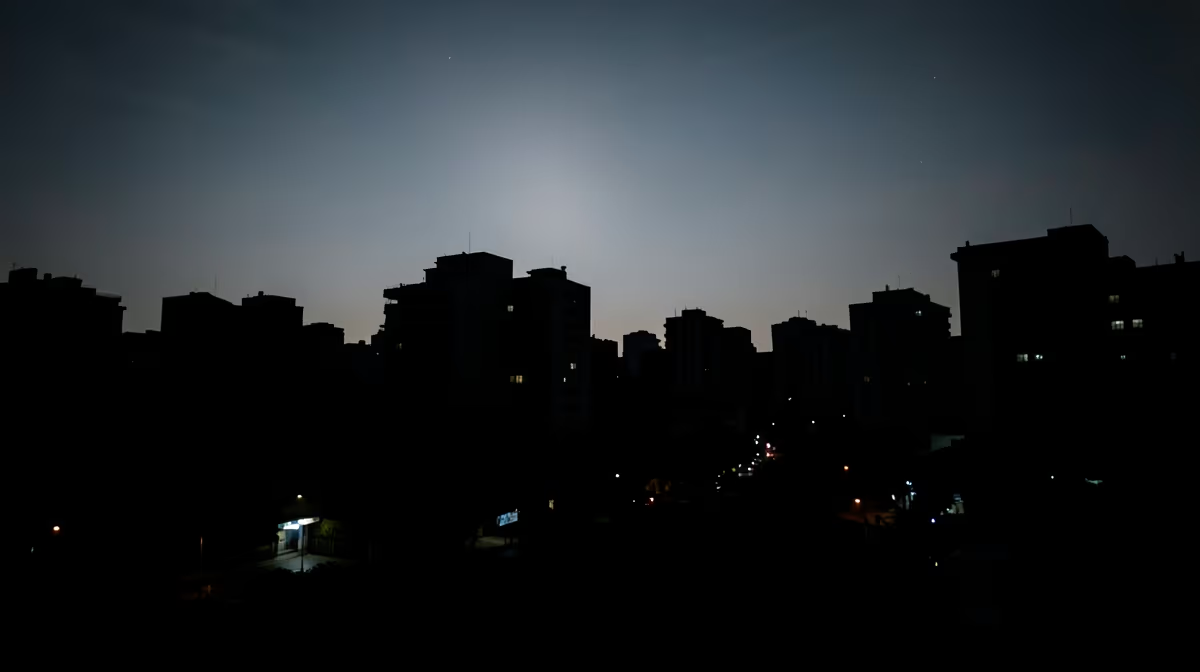
A sudden failure at the Antonio Guiteras power plant has plunged the entire island of Cuba into a total state of darkness, effectively halting the nation's fragile energy infrastructure. This unprecedented cuba blackout has brought the island's energy infrastructure to a standstill, leaving millions without power as officials struggle to repair the failing cuba energy grid during this unprecedented cuba power crisis.
The Anatomy of a Grid Failure
The collapse of the national electrical grid occurred at approximately 11:00 a.m. local time on Friday, immediately freezing operations across the country. This was not a localized event but a systemic breakdown of the National Electric System (SEN), which has long been struggling under the weight of outdated technology and chronic neglect. The Antonio Guiteras power plant, widely considered the most important energy facility in the country, failed suddenly, triggering a cascading effect that the grid was unable to absorb.
For weeks prior to this total outage, citizens had been subjected to worsening rolling blackouts, leaving many provinces with only a few hours of electricity per day. Energy Minister Vicente de la O Levy has acknowledged the severity of the situation, stating in a televised address that the government will not rest until electricity is restored. However, the reality on the ground is far more complex than the promise of a quick recovery. The grid, already strained by a lack of maintenance and severe fuel shortages, lacks the necessary reserve capacity to restart without further destabilization.
The Historical Burden
The current crisis is the culmination of decades of decay. The national infrastructure relies heavily on aging thermoelectric plants, many of which date back to an era of heavy reliance on Soviet-era support. This structure has been significantly weakened by the lack of foreign investment, limited access to fuel imports, and the ongoing economic impact of U.S. sanctions.
Historically, this situation echoes the Special Period of the 1990s, when the collapse of Soviet supply chains forced the nation into extreme scarcity. Today, the loss of support from traditional allies like Venezuela and Russia, combined with a persistent inability to secure credit for fuel imports, has left the government with few options. The grid is now in a feedback loop: energy shortages halt industrial output, which in turn reduces the foreign exchange earnings necessary to purchase the very fuel required to keep the power plants running.
Impact on the Daily Life of Citizens
The effects of this total blackout extend far beyond the inconvenience of a dark home. For the average citizen, the loss of electricity is a threat to basic survival. Refrigeration is currently unavailable, jeopardizing food supplies and the storage of essential medicines. Water pumping systems, which rely on electric grids, have ceased to function, creating a secondary crisis in water access and sanitation.
In response to the total loss of power, the Miguel Diaz-Canel administration has suspended all non-essential public services. Schools and universities have been closed indefinitely, and non-emergency hospital functions have been severely restricted. The government is attempting to prioritize key hospitals and state-run industrial hubs, but the scarcity of power means that these facilities are operating in a precarious state. Communication and internet connectivity across the island are increasingly erratic, further isolating communities and complicating the daily efforts of families to manage the crisis.
Analytical Perspectives on Systemic Fragility
The crisis exposes a profound legitimacy issue for the state. When the social contract is built on the provision of basic utilities, the persistent failure of that grid serves as a catalyst for internal dissent. Analysts point to a widening divide in how energy is managed: there is a growing transition toward decentralized micro-grids for state-affiliated enterprises and military-run tourism hubs, while the general population is subjected to a reality of tiered austerity.
From a geopolitical perspective, the island is increasingly isolated. The combination of declining support from historical partners and an inability to access international financing markets has forced Havana into volatile barter arrangements. Without a significant shift in infrastructure reform or a major influx of international aid, the structural failure of the national grid is expected to persist as a long-term, chronic issue rather than a temporary emergency.
Predicting the Immediate Future
Within the next 24 hours, government attempts at incremental grid restoration will likely face extreme instability. Aging equipment and a lack of fuel mean that even if small parts of the grid are re-energized, the system remains vulnerable to immediate re-collapse. Rolling blackouts are expected to continue even if authorities manage to bring some plants back online.
Looking toward the 72-hour horizon, the risk of localized social unrest increases as public frustration mounts. If electricity is not restored to essential services, the administration will be forced to choose between diverting fuel to the civilian population or prioritizing state assets. While the best-case scenario involves a successful partial reconnection that restores stability to major cities, the worst-case remains a prolonged systemic collapse that triggers a deeper humanitarian crisis and widespread civil disobedience.
Frequently Asked Questions
Why is Cuba experiencing major blackouts?
Cuba is experiencing major blackouts primarily due to the failure of its aging energy infrastructure and chronic fuel shortages. The country's power plants are decades old and lack necessary maintenance, making them highly unreliable for meeting national energy demands.
How long do blackouts usually last in Cuba?
Blackout durations in Cuba can vary significantly, ranging from a few hours to several days depending on the severity of the grid failure. In recent times, many residents have faced rolling blackouts that last for significant portions of the day, leaving millions without consistent electricity.
Is the Cuban power grid completely broken?
The Cuban power grid is currently in a state of severe crisis, frequently experiencing total system collapses. While it is not completely broken beyond repair, the combination of economic constraints, fuel supply issues, and obsolete technology makes the grid extremely unstable and prone to frequent outages.
What is the primary cause of the total grid collapse in Cuba?
The primary cause of total grid collapse in Cuba is the cascading failure of its thermal power plants, which are unable to keep up with demand. When these main plants go offline, the entire interconnected system often fails, leading to island-wide blackouts that can take days to resolve.
How does the Cuba blackout affect daily life?
Blackouts in Cuba severely disrupt daily life by cutting off access to refrigeration, clean water pumping, and internet connectivity. Residents often struggle to preserve food, manage medical equipment, and maintain normal work or school routines during these extended periods of darkness.
Is there a solution to Cuba's energy crisis?
Solving Cuba's energy crisis requires massive long-term investment in renewable energy projects and the modernization of its existing thermoelectric plants. Given the current economic situation and limited access to international financing, a quick resolution remains difficult to achieve.
Conclusion
The nationwide blackout in Cuba remains a developing situation, characterized by the total collapse of the national energy grid following the failure of the Antonio Guiteras power plant. While the government has mandated the closure of schools and non-essential businesses to mitigate the load, the structural fragility of the system continues to hinder restoration efforts. Confirmed reports indicate that the grid remains non-functional as of the latest updates, with officials working to synchronize power while struggling with chronic fuel shortages and aging machinery. The coming days will be critical, as the administration attempts to stabilize essential services while facing mounting public pressure and the long-term reality of a crumbling infrastructure. Future progress will depend on the government’s ability to secure emergency support and the technical feasibility of rehabilitating plants that have been neglected for years.


.webp)
