
Delhi H1N1 Influenza Surge Triggers Urgent Health Emergency Response
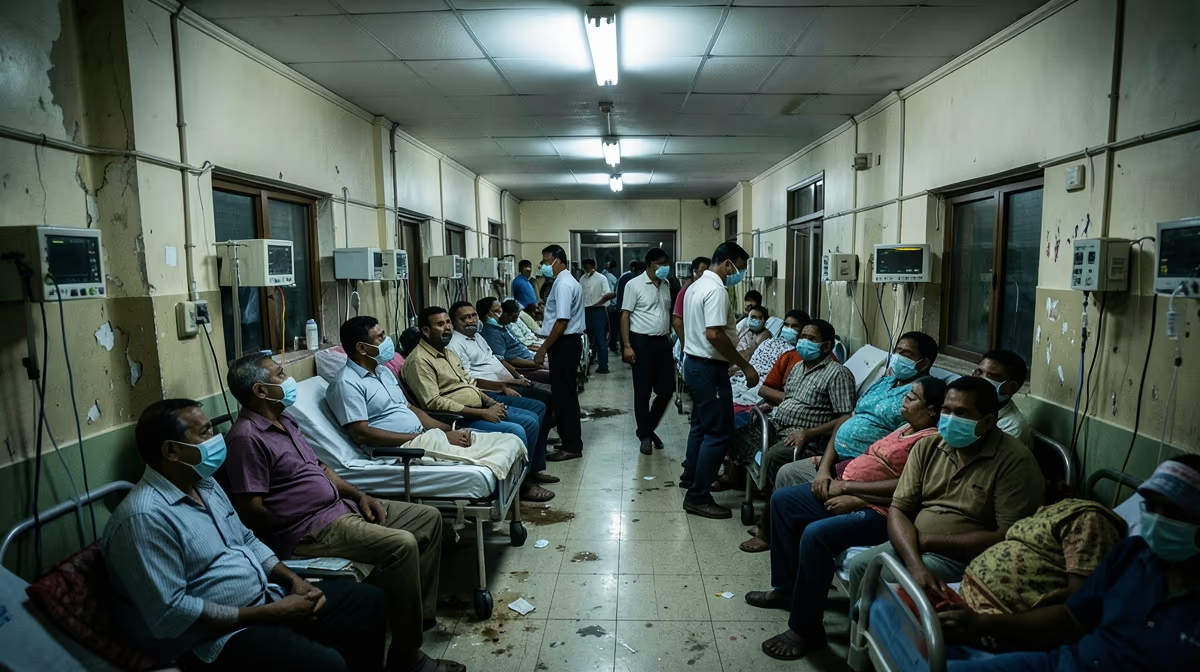
Health authorities in New Delhi have reported a sharp surge in H1N1 influenza cases this season, prompting the city government to issue an urgent public health advisory and direct hospitals to maintain adequate stocks of testing kits and antiviral medications. As the capital grapples with a sudden delhi h1n1 influenza surge, health authorities have issued fresh guidelines to contain the spread.
Understanding the Capital Health Alert
Delhi is currently experiencing a noticeable surge in H1N1 influenza cases, commonly known as swine flu. Hospitals are seeing an increase in patients complaining of persistent fever, severe cough, body aches, and fatigue. This seasonal spike is typically triggered by changing weather patterns and temperature fluctuations, which allow the virus to spread more easily among people in close contact. The sudden spike in swine flu cases has placed local healthcare facilities on high alert, with outpatient departments seeing a notable increase in patients presenting with prolonged fever, severe cough, and respiratory distress. Public health officials attribute the seasonal surge to fluctuating weather patterns and lower ambient temperatures, which typically favor the survival and transmission of the influenza virus.
In response to the rising numbers, the Directorate General of Health Services has instructed both government and private medical institutions to ensure seamless isolation wards and prioritize high-risk groups, including the elderly, pregnant women, and individuals with chronic comorbid conditions such as diabetes and cardiovascular diseases. Hospitals have been explicitly directed to stock up on Oseltamivir, the primary antiviral drug used in the treatment of H1N1. Medical practitioners are urging residents to adopt rigorous preventive hygiene measures, such as frequent handwashing, wearing masks in crowded public spaces, and avoiding self-medication upon the onset of flu-like symptoms. Authorities emphasize that early diagnosis and timely administration of antiviral treatment are critical in preventing severe complications and reducing mortality rates associated with the virus. Dr. R. K. Sharma, a senior epidemiologist, stated, while H1N1 is a recurring seasonal strain, the current atmospheric conditions are accelerating transmission rates. We urge citizens not to panic, but high-risk individuals must seek immediate medical consultation at the first sign of respiratory illness rather than relying on over-the-counter remedies.
Current Statistics on Swine Flu Cases in Delhi
New Delhi is experiencing a seasonal surge in H1N1 influenza cases, with official health directives guiding the operational response across major medical centers. The definitive rise in H1N1 hospital admissions, the issuance of government health directives, and the availability of antiviral stockpiles in designated medical centers mark the primary contours of the current outbreak. Institutions such as Safdarjung Hospital, AIIMS Delhi, and facilities managed by the Municipal Corporation of Delhi are actively tracking outpatient department visits for influenza-like illnesses. The Delhi Health Department has issued specific advisories for high-risk groups, urging hospitals to stock up on Oseltamivir and testing kits as H1N1 cases spike. Municipal corporations are launching awareness campaigns and sanitation drives across densely populated areas while major hospitals report a steady rise in patient footfall. Epidemiologists expect the seasonal H1N1 surge to peak over the next two weeks before tapering off as weather patterns stabilize, though vulnerable populations remain at significant risk.
H1N1 Symptoms and Prevention: What Experts Recommend
H1N1 is a contagious respiratory virus that spreads easily through droplets when an infected person coughs or sneezes. Common symptoms include high fever, sore throat, coughing, runny nose, body aches, and fatigue. The surge coincides with seasonal weather shifts in the national capital region. Doctors advise early testing and antiviral treatment, especially for high-risk individuals, to prevent severe complications. Preventive measures include frequent handwashing, wearing masks in crowded places, and getting the annual flu vaccine. While anyone can catch H1N1, the virus poses a higher risk to young children, pregnant women, the elderly, and individuals with pre-existing health conditions such as asthma, diabetes, or heart disease. H1N1 first emerged globally as a pandemic strain in 2009, and since then, it has transitioned into a seasonal influenza virus that circulates regularly in India, typically peaking during the monsoon and winter-to-spring transition periods.
Hospital Preparedness Amid the Influenza Outbreak
The operational readiness of local healthcare facilities is being severely tested by the influx of respiratory illness cases. Rapid urbanization, high population density, and deteriorating air quality indices in Delhi create compromised respiratory tracts that leave urban populations vulnerable to viral mutations. This physical vulnerability intersects with administrative friction, highlighted by historical blame-shifting between municipal corporations, the state government, and central health ministries regarding healthcare infrastructure failures and delayed public advisories. Economically, the outbreak threatens a loss of productivity, a surge in private healthcare expenditures, and strain on corporate insurance payouts amid rising absenteeism. International medical scrutiny also plays a role, with potential oversight of India bio-surveillance mechanisms by global health bodies and minor disruptions to medical tourism flows into the capital region. Observers note underlying structural issues, including the underreporting of co-infections and secondary bacterial pneumonia cases due to overwhelmed public testing labs prioritizing generic viral panels, drawing historical parallels to the 2015 H1N1 epidemic in India which exposed severe gaps in urban epidemic preparedness and triaging protocols.
Future Outlook and Risk Scenarios
Public health officials and epidemiologists are closely monitoring the trajectory of the outbreak through a defined timeline of events, moving from the post-monsoon temperature drop and spikes in PM2.5 levels to the initial cluster of influenza-like illnesses reporting to outpatient departments, followed by hospital bed occupancy rates climbing past safety thresholds and emergency inter-ministerial review meetings with public mask advisories. Looking ahead, public health outcomes range from a best-case scenario where swift public health interventions and adequate stock of antivirals contain the spread rapidly, resulting in minimal hospitalizations and no fatalities, to a worst-case scenario where the co-circulation of H1N1 with other respiratory viruses overwhelms isolation wards in major hospitals, leading to a shortage of antiviral drugs and a rise in severe complications among the elderly.
Frequently Asked Questions
What causes the H1N1 influenza surge in Delhi?
The H1N1 influenza surge in Delhi is typically triggered by seasonal changes, particularly during the transition from monsoon to winter or during early spring. Flu viruses thrive in fluctuating temperatures and higher humidity levels, which facilitate their transmission in crowded urban environments. Additionally, increased indoor gathering and reduced ventilation contribute to the rapid spread of the virus among the population.
What are the common symptoms of H1N1 swine flu?
Common symptoms of H1N1 swine flu include sudden onset of high fever, persistent cough, sore throat, runny or stuffy nose, and body aches. Many patients also experience severe fatigue, headache, chills, and occasionally gastrointestinal issues like vomiting and diarrhea. If you notice these symptoms during a flu surge, it is important to monitor your health closely and consult a physician.
Who is most at risk during a Delhi H1N1 outbreak?
Individuals at high risk for severe complications from H1N1 include young children, pregnant women, and the elderly. People with underlying medical conditions such as asthma, diabetes, heart disease, and compromised immune systems are also particularly vulnerable. These groups should exercise extra caution and seek immediate medical attention if they develop flu-like symptoms.
How can I protect myself from H1N1 influenza in Delhi?
To protect yourself from H1N1, get the annual flu vaccine, which is the most effective defense against the virus. Practice good hand hygiene by washing your hands frequently with soap and water or using an alcohol-based sanitizer. Avoid touching your face, maintain distance from sick individuals, and wear a mask in crowded or poorly ventilated public spaces.
When should I see a doctor for H1N1 symptoms?
You should consult a doctor immediately if you experience severe symptoms such as difficulty breathing, persistent pain or pressure in the chest, or bluish lips. Other warning signs include sudden dizziness, confusion, or a high fever that does not respond to medication. Early diagnosis and antiviral treatment, such as oseltamivir, work best when administered within 48 hours of symptom onset.
Is the H1N1 vaccine available and effective in Delhi?
Yes, the H1N1 vaccine is widely available at hospitals and clinics across Delhi and is updated annually to match circulating strains. It significantly reduces the risk of severe illness, hospitalization, and complications associated with the swine flu virus. Health authorities recommend getting vaccinated before the peak flu season begins for optimal protection.
Conclusion
The seasonal escalation of H1N1 influenza cases across New Delhi highlights ongoing public health vulnerabilities linked to environmental factors and high urban population density. Verified developments confirm that government authorities, municipal bodies, and major medical institutions have activated advisory protocols, secured antiviral stockpiles, and prioritized high-risk demographics for early clinical intervention. As epidemiologists anticipate the current wave to peak and subsequently stabilize alongside shifting weather patterns, adherence to hygiene guidelines, prompt medical consultation, and targeted vaccination remain the most effective measures to safeguard public health across the capital region.


.webp)

