
Freedom 250 Grand Prix Road Closures Trigger Historic Artwork Fears
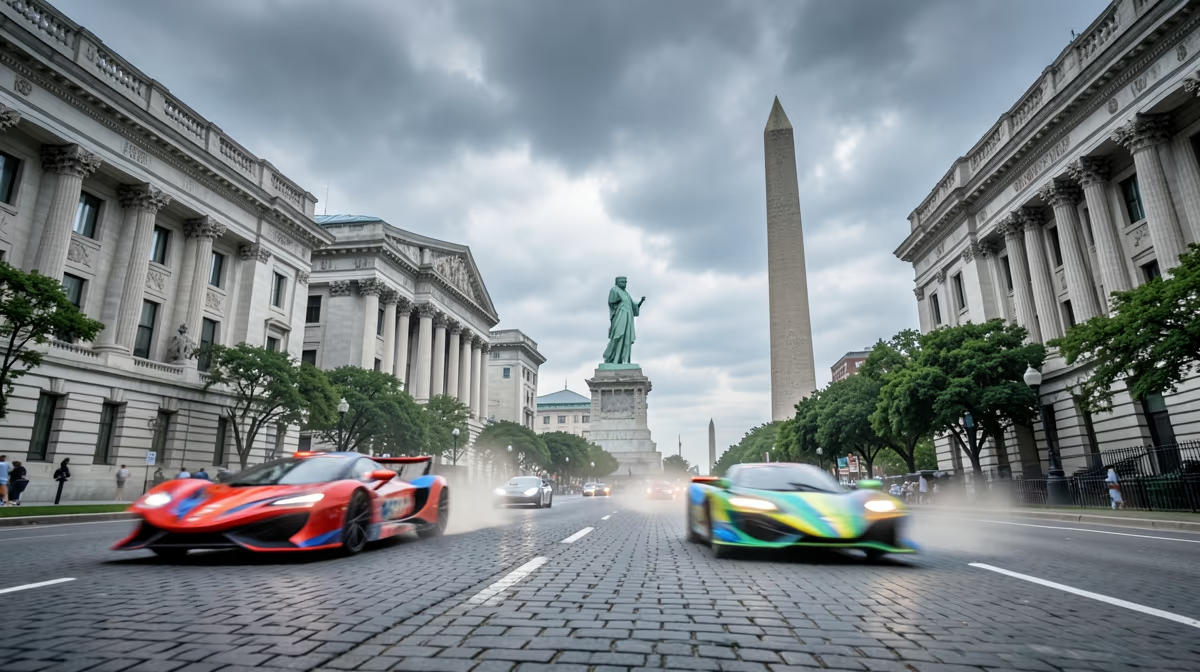
As the city prepares for the upcoming race, extensive Freedom 250 Grand Prix road closures have raised significant alarms among preservationists regarding potential structural risks to local cultural treasures. Washington is gearing up for this high-profile event, transforming standard city streets into an intense high-speed racetrack. While race fans are thrilled to watch top drivers like Marcus Ericsson take on the course, the event has sparked significant headaches for local residents and commuters.
Road closures required to set up the racetrack have caused widespread confusion and traffic frustration across the district. At the same time, cultural preservation groups have raised serious concerns about the potential damage that heavy race cars and high-intensity vibrations could inflict on nearby historic artwork and structures.
Navigating DC road closures during the Freedom 250 weekend
The intersection of major urban sports entertainment events and the physical vulnerability of civic infrastructure and historic preservation lies at the root of the current debate. Local governance faces a classic tension between promoting high-profile economic development and entertainment projects versus protecting public heritage and addressing constituent disruptions like commuter gridlock. While the Freedom 250 Grand Prix brings tourism, media attention, and commercial activity to Washington D.C., it imposes immediate external costs through traffic disruption and potential risks to irreplaceable cultural assets.
- The Freedom 250 Grand Prix is transforming Washington city streets into a temporary racetrack.
- Major road closures ahead of the weekend event have caused commuter frustration and confusion.
- A local nonprofit has called for increased protections for historic artwork against potential race-related vibrations.
- IndyCar driver Marcus Ericsson has spoken publicly about the upcoming race and his recent wins.
- The racing schedule and first looks at the track layout have been released as preparations ramp up.
Major capital city street races elevate the global profile of American metropolitan areas as dynamic entertainment hubs, drawing international tourism and media coverage. However, the rapid deployment of temporary racing circuits in dense urban environments may expose underlying vulnerabilities in how municipal agencies balance short-term event permitting with long-term preservation mandates. This scenario shares historical parallels with the integration of Formula 1 and IndyCar street circuits into historic downtown areas such as Long Beach or Monaco, where temporary infrastructure routinely intersects with permanent urban architecture.
Assessing vibration risks to fragile historic artwork
A local nonprofit has called the situation foolish and reckless, raising urgent alarms that heavy racing vehicles could generate damaging vibrations near sensitive cultural sites. These preservation advocates are actively demanding increased safeguards to prevent any structural or material harm to valuable historic pieces during the Grand Prix.
A local nonprofit has called for more protections from Grand Prix vibrations for historic artwork, describing the current situation as foolish and reckless.
As the event schedule officially kicks off this weekend, city officials and organizers are managing ongoing traffic disruptions while addressing preservation concerns. Meanwhile, race teams are completing their track preparations, and first looks at the course are being shared with the public.
Event timeline and schedule of developments
- August 16-18, 2026: Drivers and media preview the Freedom 250 Grand Prix track layout amidst growing public discourse.
- August 17, 2026: Nonprofits voice concerns over potential damage from race vibrations to historic artwork, while commuters navigate initial road closures.
- Upcoming Weekend: The Freedom 250 Grand Prix event takes place on Washington D.C. streets.
Hosting motorsport events on temporary city street circuits is a common practice for major racing series, though it frequently requires extensive logistical planning, temporary infrastructure, and careful coordination with local communities to manage disruptions. Commuters and race fans alike are preparing for the temporary street circuit to go live as final track setup, driver interviews, and media previews take place in mid-August 2026.
Balancing civic life and urban entertainment
This event highlights the complex challenge cities face when balancing major entertainment spectacles with everyday civic life, commuter convenience, and the preservation of vulnerable cultural heritage. Washington D.C. commuters, local residents, cultural preservation nonprofits, and motorsport fans are all directly affected by the unfolding logistics of the race weekend.
The Freedom 250 Grand Prix forces Washington to confront the friction between high-speed urban motorsport logistics and the strict demands of cultural heritage preservation.
Navigating the downtown area has become notably more challenging as the racetrack setup alters normal traffic patterns. As the weekend progresses, the primary focus remains on managing the dual pressures of spectator excitement and infrastructure protection.
Frequently Asked Questions
What is the Freedom 250 Grand Prix?
The Freedom 250 Grand Prix is a major racing event transforming Washington D.C.'s city streets into a temporary racetrack. Drivers like IndyCar's Marcus Ericsson have been discussing the event as excitement and preparation ramp up for the weekend races.
Why are Washington D.C. commuters frustrated by the Grand Prix?
The event has led to significant road closures across the city, causing confusion and frustration for many daily commuters. Navigating the downtown area has become notably more challenging as the racetrack setup alters normal traffic patterns.
Who is affected by concerns over historic artwork during the race?
Local nonprofits and preservation advocates are deeply affected by potential risks to cultural artifacts, calling the situation 'foolish and reckless.' They are urging officials to implement stronger protections to shield historic artwork from the intense vibrations caused by racing cars.
What specific concerns have been raised regarding historic artwork protection?
A local nonprofit has raised alarms that heavy racing vehicles could generate damaging vibrations near sensitive cultural sites. They are actively demanding increased safeguards to prevent any structural or material harm to valuable historic pieces during the Grand Prix.
What happens next as the Freedom 250 Grand Prix weekend approaches?
As the event schedule officially kicks off this weekend, city officials and organizers are managing ongoing traffic disruptions while addressing preservation concerns. Meanwhile, race teams are completing their track preparations and first looks at the course are being shared with the public.
When is the Freedom 250 Grand Prix taking place?
The Freedom 250 Grand Prix is scheduled for this weekend, with final track setup, driver interviews, and media previews taking place in mid-August 2026. Commuters and race fans alike are preparing for the temporary street circuit to go live.
Conclusion
The Freedom 250 Grand Prix weekend brings high-speed motorsport action to Washington D.C. streets alongside verified commuter disruptions and preservation debates. City officials, race organizers, and preservation advocates continue to navigate the logistical realities of temporary street circuits and vibration safety as the event schedule proceeds.
Sources
- Freedom 250 Grand Prix road closures frustrate, confuse some DC commuters — NBC4 Washington
- ‘Foolish and reckless’: Nonprofit calls for more protections from Grand Prix vibrations for historic artwork — WTOP
- From city streets to racetrack: Washington revs up for Freedom 250 Grand Prix — WBAL-TV
- The Freedom 250 Grand Prix is this weekend. See schedule — USA Today
- IndyCar driver Marcus Ericsson talks latest win, Freedom 250 Grand Prix — FOX 5 DC
- First look at Freedom 250 Grand Prix track — FOX 5 DC


.webp)
