
FSIS Meat Poultry Salmonella Alert Triggered Nationwide Food Safety Concerns
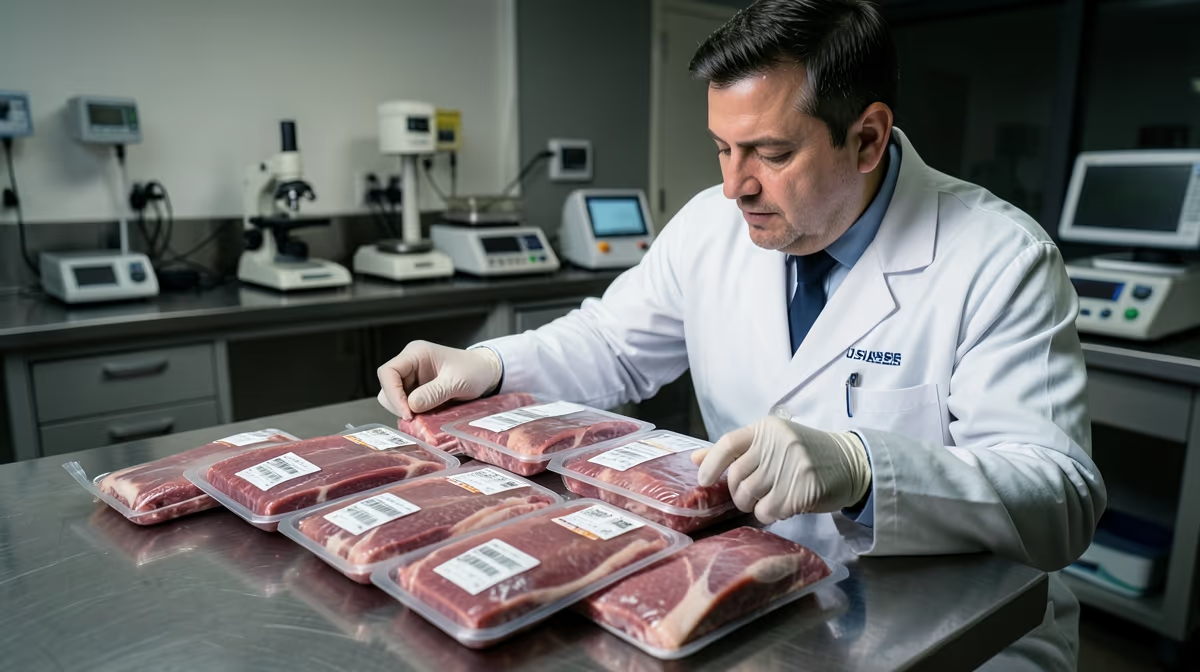
Federal health authorities have taken urgent action to protect public safety as investigations trace a multi-state contamination event linked to raw animal proteins. To stay informed on the latest fsis meat poultry salmonella alert affecting shoppers across the nation, consumers and commercial kitchen operators must review immediate handling protocols and product safety warnings. The U.S. Department of Agriculture's Food Safety and Inspection Service (FSIS) issued a high-priority public health alert regarding raw meat and poultry products potentially contaminated with Salmonella, prompting nationwide concern as federal investigators trace the source of the outbreak.
Federal health officials stated that the ongoing investigation involves multiple states and various processing facilities, though a specific nationwide recall has not yet been finalized while testing continues. The contamination was detected during routine regulatory sampling programs, which identified several strains of Salmonella linked to reported cases of foodborne illness across multiple regions. Consumers and commercial kitchens are being urged to handle all raw meat and poultry products with extreme caution. The FSIS emphasizes that proper cooking temperatures reaching 165 degrees Fahrenheit for poultry and 145 degrees Fahrenheit for whole cuts of meat with a three-minute rest time are essential to neutralizing the pathogen and preventing severe gastrointestinal infections. Symptoms of Salmonella infection typically emerge within six hours to six days after consuming contaminated food and include diarrhea, fever, and abdominal cramps. While most individuals recover without specific treatment, vulnerable populations such as children, the elderly, and immunocompromised individuals are at a significantly higher risk of developing severe, life-threatening complications.
Regulatory Framework And Systemic Vulnerabilities
The emergence of these food safety alerts highlights deep-seated structural issues within the commercial food supply chain. Root causes point directly toward intensive industrialized farming models and high-throughput slaughterhouse speeds that prioritize volume over sanitation. These operational pressures combine with regulatory frameworks that treat pathogen contamination as an inevitable hazard rather than a preventable defect. A persistent tug-of-war between powerful meatlobby political contributions and consumer protection agencies results in toothless oversight where USDA-FSIS relies on voluntary industry compliance rather than mandatory microbial recalls for specific Salmonella serotypes. This dynamic creates asymmetric financial burdens where major agribusiness conglomerates absorb recall costs via insurance and vertical integration, while independent processors face ruinous liabilities, and consumers shoulder the cost through higher prices and hidden healthcare expenditures. Furthermore, recurring U.S. poultry and meat contamination issues threaten export markets, undermine the credibility of American agricultural safety standards abroad, and invite retaliatory trade restrictions from importing nations. Historical parallels trace back to the 2008 Peanut Corporation of America scandal, which exposed deep regulatory blind spots in pathogen oversight, corporate negligence, and the catastrophic public health costs of reactive rather than proactive food safety governance.
What To Know About The FSIS Meat Poultry Salmonella Alert
Understanding the mechanics of federal health notifications helps clarify why these warnings are issued before formal recalls take place. An FSIS Salmonella alert is a public health notification issued by the USDA's Food Safety and Inspection Service when meat or poultry products are suspected of being contaminated with Salmonella bacteria. These alerts help inform consumers, restaurants, and retailers about potential health risks before a formal recall is announced. They typically include product labels, establishment numbers, and distribution details. Federal health officials emphasize that while no official nationwide recall has been announced yet, the alert serves as an urgent warning. Consumers who have these items are advised to either throw them away safely or return them to the store where they were purchased, rather than risking infection. Salmonella is a leading cause of foodborne illness, resulting in millions of infections and thousands of hospitalizations in the U.S. each year. By alerting the public early, health officials aim to prevent widespread outbreaks, severe illness in vulnerable populations, and costly medical emergencies. The affected audience includes U.S. consumers who recently purchased specific meat and poultry products, especially vulnerable populations such as young children, the elderly, pregnant women, and anyone with a compromised immune system.
Recent Food Recalls And Hannaford Deli Produce Recall Updates
Navigating the landscape of current food safety actions requires tracking how regulatory bodies and retailers respond to contamination discoveries. Retailers and restaurants will pull affected products from shelves, and consumer advisories will prompt returns or disposal of contaminated items, while public health agencies monitor for potential illness clusters. In parallel with federal meat advisories, related incidents such as the hannaford deli produce recall demonstrate the broad scope of pathogen management challenges facing grocery supply chains. Key players including the USDA Food Safety and Inspection Service, the Centers for Disease Control and Prevention, affected meat and poultry processors, and major grocery and retail chains are coordinating traceback investigations. Expert predictions suggest that the recall will remain contained due to rapid traceback investigations, though heightened consumer scrutiny on poultry and meat handling will temporarily impact sales for specific brands. In the best-case scenario, the industry will see zero reported illnesses linked to the alert, swift removal of contaminated products from the supply chain, and minimal brand reputation damage. Conversely, the worst-case scenario warns that a spike in salmonellosis cases could lead to hospitalizations, widespread consumer panic, and broader scrutiny of industry-wide slaughter and processing sanitation standards.
Immediate Outlook And Next Steps For The Supply Chain
As federal oversight agencies advance their investigations, the operational focus shifts rapidly toward containment and consumer protection. Over the next 24 hours, FSIS is expected to release specific product lot numbers, establishment numbers, and distribution lists for the recalled meat and poultry products associated with the Salmonella alert. Following this release, retailers across the country will accelerate the removal of flagged items from inventory while public health networks monitor for any emerging illness clusters. Industry observers note that while investigative tracing is moving swiftly, consumer diligence remains a critical line of defense. Officials reiterate that working closely with public health partners ensures these products are tracked down efficiently, but the ultimate mitigation of risk relies on rigorous kitchen hygiene and adherence to safe internal cooking temperatures. As the situation evolves, stakeholders across the food supply chain must balance operational continuity with heightened sanitation verification.
Frequently Asked Questions
What is an FSIS Salmonella alert for meat and poultry?
An FSIS Salmonella alert is a public health notification issued by the USDA's Food Safety and Inspection Service when meat or poultry products are suspected of being contaminated with Salmonella bacteria. These alerts help inform consumers, restaurants, and retailers about potential health risks before a formal recall is announced. They typically include product labels, establishment numbers, and distribution details.
How do I know if the meat or poultry in my fridge is part of a Salmonella alert?
To check if your food is affected, look for specific establishment numbers, brand names, and lot codes provided in the official FSIS alert notice. This information is usually stamped on the USDA inspection legend or printed directly on the product packaging. If your item matches the recalled or alerted details, you should not consume it.
What should I do if I bought meat or poultry subject to an FSIS Salmonella alert?
You should immediately throw the contaminated meat or poultry away in a sealed bag or return it to the place of purchase for a full refund. Do not attempt to wash the raw meat, as this can easily spread harmful bacteria to your kitchen counters, utensils, and other foods. Thoroughly clean and sanitize any surfaces or containers that came into contact with the product.
Can cooking meat and poultry kill Salmonella bacteria?
Yes, properly cooking meat and poultry to the USDA-recommended internal temperature will kill Salmonella and other harmful foodborne pathogens. Use a reliable food thermometer to check the thickest part of the meat before consuming. However, FSIS still advises discarding alerted products rather than risking improper cooking or cross-contamination in your kitchen.
What are the symptoms of a Salmonella infection from contaminated poultry?
Symptoms of salmonellosis typically begin within six hours to six days after consuming contaminated food and include diarrhea, abdominal cramps, and fever. Most people recover without specific treatment within a week, but severe infections can require hospitalization, especially in young children, the elderly, and immunocompromised individuals.
Where can I find the latest FSIS meat and poultry recall and alert updates?
You can find the most up-to-date recall and public health alert information directly on the official USDA Food Safety and Inspection Service website. The FSIS regularly publishes news releases detailing active investigations, affected product photos, and distribution lists. Consumers can also sign up for email notifications to receive safety alerts instantly.
Conclusion
Federal health agencies have confirmed the presence of Salmonella strains in sampled raw meat and poultry products through routine regulatory sampling programs, initiating multi-state investigations and active public health advisories. While specific lot numbers and establishment details are pending release from the USDA Food Safety and Inspection Service, consumers are strongly advised to check product labels, practice rigorous kitchen hygiene, and adhere to recommended internal cooking temperatures. Realistic next steps involve retailers pulling affected items from shelves, consumers disposing of or returning flagged products, and public health officials monitoring closely for illness clusters as the traceback investigation continues.


.webp)


