
Iran War Trump Policies Spark New Concerns Over Global Security Stability
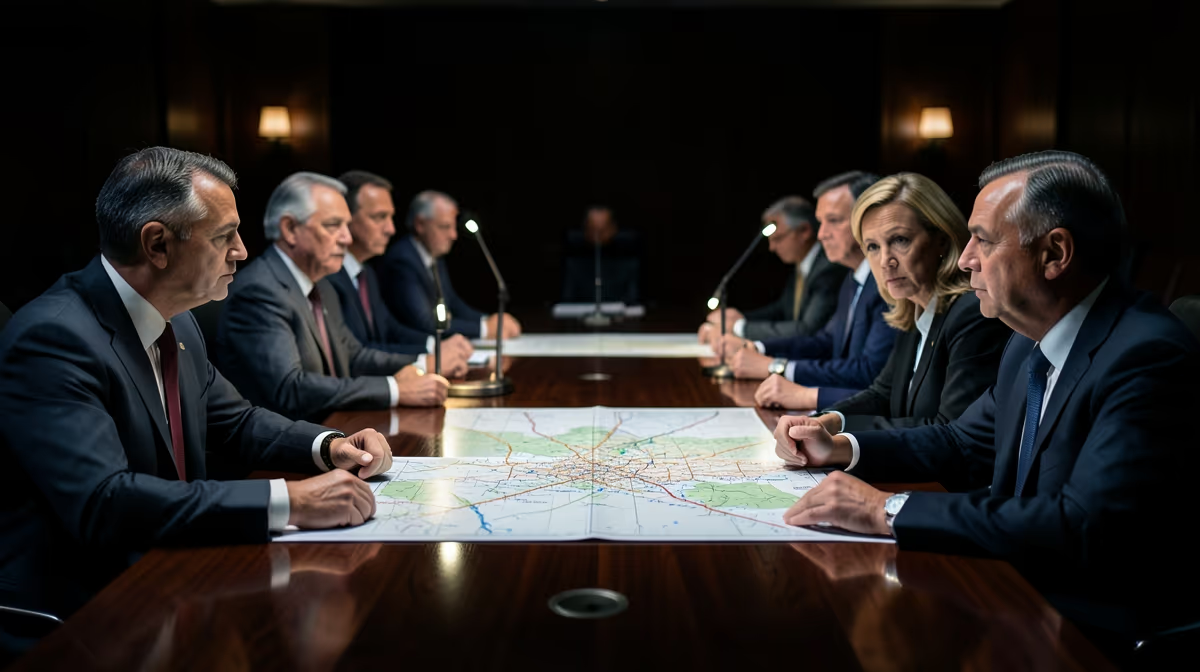
As geopolitical tensions rise across international borders, the discourse surrounding the iran war trump narrative continues to dominate international headlines and shape global markets. Amid escalating regional tensions, former U.S. President Donald Trump has made conflicting public statements regarding a potential conflict with Iran, drawing intense scrutiny from international diplomats and military analysts worldwide. During a recent campaign event, Donald Trump addressed the persistent threat of military confrontation with Iran, criticizing current administration policies while boasting about his past record of deterrence, specifically citing the 2020 assassination of Iranian General Qasem Soleimani. His remarks highlighted a dual approach of projecting strength while simultaneously expressing a desire to avoid protracted foreign entanglements. Foreign policy experts and international observers have expressed concern that the former president's rhetoric could signal a return to a maximum pressure campaign should he return to office. European and Middle Eastern allies are closely monitoring the political discourse in Washington, attempting to gauge how U.S. posture toward Tehran might shift following the upcoming presidential election. Meanwhile, diplomatic channels remain strained as Iran continues to advance its nuclear enrichment program and proxy groups backed by Tehran engage in regional skirmishes. The international community is weighing the potential economic and security fallout of any future U.S. military escalation in the Persian Gulf.
Understanding Trump Middle East Policy and Iran
Donald Trump has recently been speaking out about tensions involving Iran, making comments that have grabbed global headlines. These statements come as relations between the United States and Iran remain tense over nuclear programs, military actions, and regional influence in the Middle East. People around the world are watching closely to see how these political words might turn into real-world actions. Donald Trump made strong statements regarding Iran and its actions. Tensions between the U.S. and Iran have historical roots spanning decades. Energy markets and oil prices often react quickly to news of Middle East conflicts. International leaders are calling for calm to prevent any military escalation. The situation remains fluid with daily updates and political reactions. When leaders talk about potential conflict in the Middle East, it immediately affects global oil prices, stock markets, and international security. Even without direct fighting, the heightened anxiety can disrupt travel, economy, and peace efforts worldwide. People living in the Middle East, global travelers, international businesses, and everyday consumers who might see higher gas and energy prices are directly affected by these developments. The U.S. and Iran have had a hostile relationship since the 1979 Iranian Revolution. Over the years, tensions have flared over Iran's nuclear ambitions, economic sanctions, and proxy conflicts in the region, with Donald Trump taking a particularly hardline approach during and after his presidency.
The Risks of Ongoing Iran Military Escalation
The structural incompatibility between Iran's regional hegemony ambitions and Washington's doctrine of maximum pressure combined with Israeli security imperatives creates a volatile backdrop for ongoing security evaluations. Donald Trump ordered the strike that killed Iranian General Qasem Soleimani in January 2020. Iran has continued to expand its nuclear capabilities beyond the limits of the 2015 JCPOA agreement. Tensions in the Middle East have remained elevated amid ongoing conflicts involving Iranian-backed militia groups. Trump has frequently used campaign platforms to discuss his strategy regarding Iran and military deterrence. Donald Trump's stated positions on Iran emphasize strict economic sanctions and a demonstrated willingness to use targeted military force, contrasting with current diplomatic efforts. The precise impact of U.S. campaign rhetoric on current Middle Eastern diplomacy and Tehran's strategic calculus remains an unfolding situation. During the campaign event, Trump stated that his administration applied maximum pressure, leaving Iran financially constrained and wanting to make a deal, while criticizing current leadership for straying from that approach. Diplomatic channels face immense pressure as Tehran advances its nuclear enrichment program and regional proxy groups engage in ongoing skirmishes, raising questions about international security stability.
Economic And Geopolitical Fallout
The economic angle of these developments involves severe volatility in global energy markets, the weaponization of the US financial system via secondary sanctions, and defense sector windfall profits. Geopolitically, the situation accelerates a multipolar world order, pushing Iran deeper into the Russia-China axis and alienating traditional European allies. Domestically, the political angle centers on political survival for Trump through decisive foreign policy spectacle, countered by hardliner consolidation within Tehran's regime. Hidden within these public maneuvers is a cyber-warfare and covert intelligence battleground that bypasses traditional kinetic engagement, specifically targeting critical infrastructure. This dynamic shares historical parallels with the 2003 Iraq War buildup, characterized by intelligence polarization and preemptive deterrence doctrines, but with asymmetric proxy escalation. The historical timeline includes the U.S. withdrawal from the JCPOA in 2018, the assassination of Qasem Soleimani in January 2020, the escalation of shadow warfare and revived nuclear enrichment, and the current posture of brinkmanship and deterrence failure risk. Energy markets react swiftly to any hint of military confrontation in the Persian Gulf, directly influencing global trade stability and consumer costs for energy and fuel worldwide.
Future Outlook And Risk Assessment
Looking ahead, the next 24 hours are expected to bring increased diplomatic posturing and cyber threat monitoring following rhetoric regarding potential escalations. Over the next 72 hours, observers anticipate regional proxy movements and intelligence-sharing updates between U.S. allies and administration officials. Expert prediction suggests that while aggressive rhetoric will likely continue to dominate headlines, direct military conflict remains constrained by mutual deterrence and economic risks. The best-case scenario involves a de-escalation of tensions through back-channel diplomacy and a return to containment strategies without kinetic conflict. Conversely, the worst-case scenario entails miscalculation leading to targeted strikes on regional assets, triggering a wider asymmetric conflict and severe disruption to global energy supplies. Middle East stability, global oil markets, U.S. domestic politics, and cybersecurity infrastructure represent the primary impact areas monitored by analysts, policymakers, and international affairs enthusiasts alike as the situation continues to unfold.
Frequently Asked Questions
Did Trump start a war with Iran during his presidency?
President Donald Trump did not officially declare war on Iran, but tensions escalated significantly under his administration. The most notable military confrontation occurred in January 2020 when a U.S. drone strike killed top Iranian General Qasem Soleimani in Baghdad, prompting retaliatory missile strikes against U.S. bases in Iraq.
What was Trump's policy on Iran?
Donald Trump pursued a maximum pressure campaign against Iran after withdrawing the United States from the 2015 Iran nuclear deal, formally known as the Joint Comprehensive Plan of Action (JCPOA), in May 2018. This strategy aimed to cripple Iran's economy through heavy sanctions and force Tehran to renegotiate a more restrictive agreement regarding its nuclear and ballistic missile programs.
How did Iran respond to Trump's maximum pressure campaign?
In response to the reimposition of crippling U.S. economic sanctions, Iran gradually abandoned its commitments under the nuclear deal by enriching uranium beyond permitted limits. Tehran also engaged in regional provocations, including attacks on oil tankers in the Persian Gulf and the downing of a U.S. surveillance drone, significantly raising the risk of a wider military conflict.
What was the aftermath of the Soleimani assassination?
The targeted killing of General Qasem Soleimani brought the U.S. and Iran to the brink of open warfare in early 2020. While Iran launched ballistic missiles at coalition forces in Iraq causing traumatic brain injuries but no deaths, further escalation was temporarily averted, though Iranian leadership vowed severe ultimate revenge.
Could Donald Trump start a war with Iran if reelected?
Foreign policy analysts and critics often debate whether a future Trump administration would risk direct military conflict with Iran, given his past preference for economic sanctions and deterrence over prolonged foreign entanglements. However, ongoing proxy conflicts in the Middle East and Iran's advancing nuclear program remain volatile factors that could challenge his approach.
What was the Iran nuclear deal that Trump withdrew from?
The Iran nuclear deal was a landmark 2015 agreement between Iran and world powers, including the U.S., designed to curb Tehran's nuclear capabilities in exchange for relief from international economic sanctions. Trump fiercely criticized the accord as weak and deeply flawed, ultimately withdrawing America from the pact to pursue his own unilateral strategy.
Conclusion
The ongoing discourse surrounding U.S. policy toward Tehran highlights a complex intersection of historical grievances, economic pressures, and strategic deterrence. While former President Donald Trump's campaign statements emphasize a hardline maximum pressure approach, the broader international community continues to navigate the delicate balance between robust defense postures and diplomatic restraint. Confirmed developments show that regional proxy conflicts and nuclear enrichment activities remain central challenges for global security. Realistic next steps involve continued monitoring of diplomatic channels, cyber threat intelligence sharing, and defensive preparedness among regional allies. As policymakers and analysts evaluate future scenarios, the primary objective remains the prevention of miscalculation and the preservation of global economic and regional stability.


