
Raw Sugar Imports Allowed by India as Price Surge Sparks Major Concern
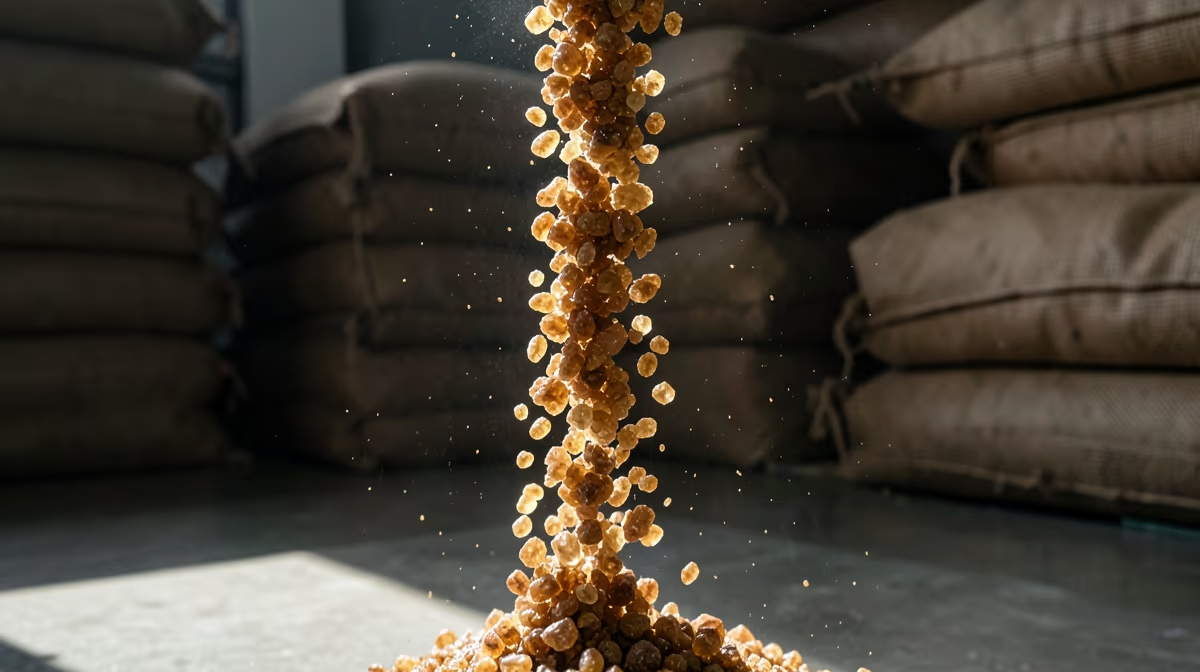
Faced with soaring domestic food inflation, India allows duty free imports of raw sugar to stabilize the market. The country has permitted the duty-free import of one million metric tons of raw sugar in a bid to contain surging domestic prices driven by tightening stocks and heightened festival demand.
When basic food commodities like sugar experience record-high price spikes, it directly strains household budgets and drives up food inflation.
Background And The Root Cause
Domestic sugar prices surging to record highs driven by lower stocks, rising festival demand, and cane diversion towards the E20 ethanol blending policy have created severe strain. Sugar prices recently reached record highs, driven heavily by factors like lower national stocks and increasing festival demand. Additionally, policies shifting sugarcane toward ethanol production, such as the E20 fuel program, have impacted the domestic availability of sugar.
To contain this ongoing price crisis and ease the burden on consumers, the government is permitting the import of 1 million metric tons of raw sugar without imposing import taxes. This move aims to increase domestic supplies, stabilize escalating market rates, and ensure better availability during upcoming peak consumption periods.
What Unfolded In The Market
The government's intervention comes as sugar prices have climbed to record highs, exacerbated by sugarcane being diverted toward the E20 ethanol blending fuel policy. This policy shift has drawn sharp political criticism, with opposition figures taking aim at the Centre over the impact on consumer prices.
- Cane diversion toward the E20 ethanol policy strains domestic sweetener reserves
- Sugar prices hit record highs, prompting government anxiety and opposition criticism
- India announces duty-free imports of 1 million metric tons of raw sugar and imposes stock limits
In addition to allowing duty-free imports, authorities are evaluating stock limits and other regulatory measures to cool the market. Lower overall reserves combined with a seasonal spike in demand ahead of upcoming festivals have left officials scrambling to stabilize supplies.
Political And Economic Dimensions
The Centre faces intense political backlash from opposition figures like Arvind Kejriwal, who criticize the administration's handling of the E20 fuel policy and domestic inflation as sugar prices soar. To cool down domestic prices and manage tightening supplies, the government has rushed to impose stock limits and allow duty-free imports of 1 million metric tons of raw sugar, directly impacting commodity markets and sugar stock valuations.
The simultaneous push for green energy through ethanol blending and the necessity to import food staples highlights an unacknowledged structural conflict between India's energy transition targets and domestic food security mandates.
Global Angle And Trade Flows
India's emergence as a buyer on the global market to plug domestic supply deficits can influence international raw sugar benchmarks and trade flows with key sugar-exporting nations. Past Indian administrations adjusting import duties and imposing stock limits during severe agricultural commodity price spikes ahead of festival seasons demonstrate a familiar playbook, yet the current energy policy intersection presents unique pressures.
What Comes Next
Markets will continue to react to the government's decision to allow duty-free imports of raw sugar, with traders assessing the volume and supply chain adjustments. Discussions surrounding the impact of the E20 fuel policy on cane allocation and domestic sugar prices will likely prompt further responses from political figures and industry stakeholders ahead of festival demand.
- Central Government
- Sugar Producers and Refiners
- Market Analysts
Analysts would likely expect short-term price volatility to persist as the market absorbs the incoming duty-free raw sugar imports while balancing strong festival demand and ethanol diversion constraints. The best case is that the duty-free import of raw sugar successfully cools domestic price surges, stabilizing the market and ensuring adequate supply throughout the upcoming festival season without severely harming domestic producers. Conversely, the worst case suggests that despite the import allowance, persistent supply constraints and cane diversion toward the E20 fuel policy keep sugar prices at record highs, leading to continued political friction and consumer strain.
Frequently Asked Questions
Why is India allowing duty-free imports of raw sugar?
India has permitted duty-free imports of raw sugar to contain a domestic price crisis and manage surging market rates. The price surge has been driven by lower domestic stocks and increased cane diversion toward the E20 fuel policy.
How much raw sugar is India allowing to be imported duty-free?
The government has allowed the duty-free import of 1 million metric tons of raw sugar. This emergency measure aims to cool down skyrocketing domestic prices and increase market supply.
Why are sugar prices reaching record highs in India?
Sugar prices hit record highs due to lower overall stocks, rising festival demand, and the diversion of sugarcane towards the E20 ethanol blending program. These combined pressures have left the government scrambling to stabilize the market.
How does the E20 fuel policy impact sugar prices?
The E20 fuel policy diverts a significant portion of sugarcane away from traditional sugar production toward ethanol manufacturing. Critics and industry watchers point to this policy as a major catalyst driving down sugar stocks and elevating consumer prices.
What steps is the government taking besides allowing imports?
Along with permitting duty-free raw sugar imports, the government has imposed stock limits to prevent hoarding and curb rising prices. These combined interventions are designed to increase availability during high-demand periods like upcoming festivals.
What is the outlook for sugar prices in the near future?
Sugar prices are expected to remain firm in the short term due to constrained lower stocks and sustained festival demand. While the new duty-free import quotas and stock limits aim to alleviate pressure, market volatility may persist.
Conclusion
India has permitted the duty-free import of one million metric tons of raw sugar and implemented stock limits to contain a domestic price crisis driven by lower stocks, high festival demand, and cane diversion toward the E20 fuel policy. While these emergency measures and upcoming market adjustments aim to cool escalating consumer prices and stabilize domestic supplies, trade participants and policymakers continue to monitor retail impacts and policy balances.
Sources
- Sugar prices hit record high as cane goes to E20; India rushes to contain crisis — India Today
- 'Illiterate government': Kejriwal takes aim at Centre over E20 fuel policy, sugar prices — The Times of India
- India sugar prices outlook: Lower stocks, festival demand may keep prices firm — ChiniMandi
- Why Are Sugar Stocks Rising Despite New Government Limits? — Sahi
- India allows duty-free imports of 1 million metric tons of raw sugar — Reuters
- Record High In Sugar Prices Has Govt. Scrambling to Allow Imports, Impose Stock Limits — TheWire.in


.webp)
