
Italy Heatwave Sparks Urgent Travel Warnings As 40C Sweeps Europe
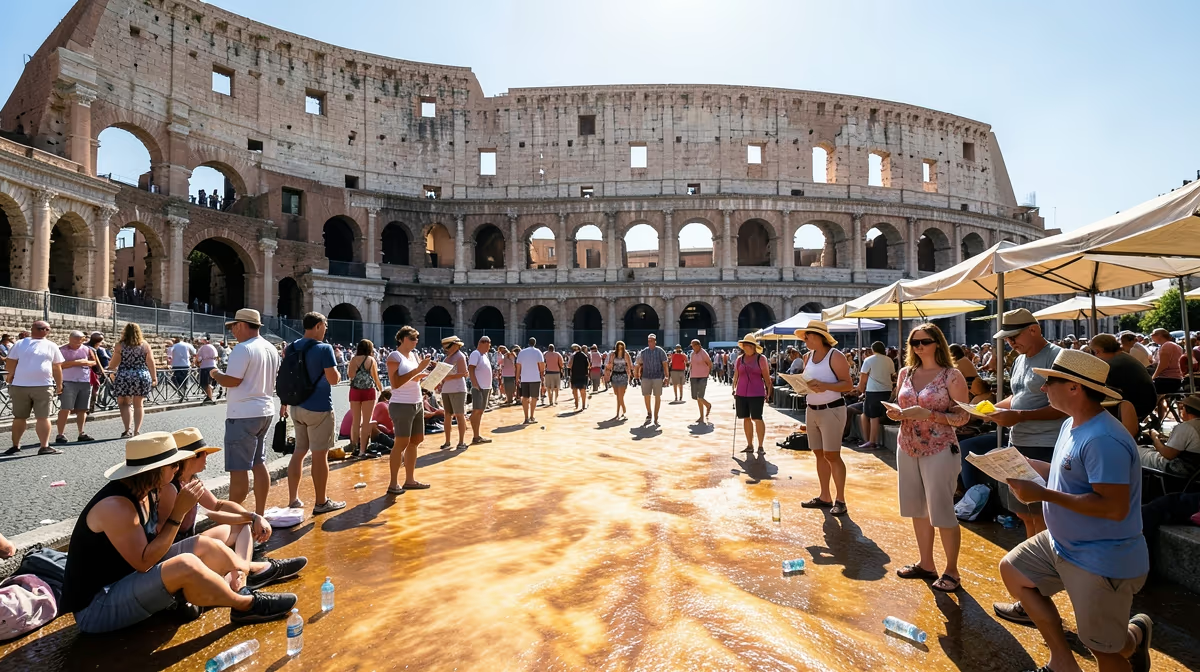
British tourists across popular Italian holiday destinations including Rome, Florence, and Sicily are facing severe disruption and health risks this week as an unprecedented heatwave pushes temperatures above 40 degrees Celsius, prompting the UK Foreign Office to issue urgent travel warnings. As the relentless italy heatwave continues to grip popular tourist destinations, experts warn that structural atmospheric blocking patterns are driving an extraordinary shift in Mediterranean weather dynamics. Parts of Italy are currently baking under an intense and dangerous heatwave, with temperatures soaring well above normal for this time of year. Tourists and locals alike are sweltering as hot air pushes up from North Africa, creating grueling conditions across many popular cities and regions. Authorities have issued severe weather warnings, urging people to stay indoors during the hottest parts of the day and keep hydrated. The extreme conditions are putting a strain on daily life, travel, and public services as the country tries to cope with the relentless sunshine and stifling humidity.
What Unfolded
The intense weather system, officially named 'Charon' by meteorologists, has blanketed southern Europe, with Italian health authorities placing multiple cities under red alert status. Hospitals in major urban centers have reported an uptick in heat-related admissions, predominantly among elderly residents and vulnerable travelers unaccustomed to prolonged extreme heat. Tourists visiting iconic landmarks such as the Colosseum and the Vatican have faced reduced opening hours and strict advisory notices to seek shelter during peak afternoon hours. Local municipal governments have set up misting stations and distributed free water bottles in high-traffic tourist zones to mitigate the immediate health hazards. For the significant British expat community and holidaymakers currently in Italy, travel insurers and consumer protection groups are advising adherence to local emergency broadcasts. While transport infrastructure remains largely operational, train delays have been recorded due to potential rail warping caused by the extreme surface temperatures. Italian civil protection officials have urged extreme caution, stating that they are facing a historic meteorological event that demands absolute vigilance from residents and visitors alike, particularly during the peak heat hours between 11:00 AM and 6:00 PM. Meanwhile, the UK Foreign Office updated its travel advisory, emphasizing that British nationals should monitor local media, follow the advice of local authorities, and take sensible precautions regarding hydration and sun exposure.
Key Facts And Verified Observations
Temperatures have reached extreme highs, often exceeding 40 degrees Celsius in several Italian regions, confirming the severity of the ongoing european heatwave. Red weather alerts have been issued by Italian health authorities for multiple major cities, including Rome and Florence. The intense climate change impact is being driven by a high-pressure weather system originating in North Africa, specifically linked to structural atmospheric blocking patterns and accelerated anthropogenic greenhouse gas emissions. British holidaymakers and other international travelers visiting Italy are experiencing severe disruption to their trips. Health services remain on high alert to deal with heat-related illnesses and dehydration among both residents and vulnerable travelers. Local authorities have implemented emergency measures such as misting stations and adjusted opening hours for tourist sites, while the UK Foreign Office has updated its travel guidance for British citizens visiting Italy due to the extreme heat.
Economic And Systemic Impact
The cascading systemic risks and economic disruption posed by extreme and recurring heatwaves affect multiple sectors across Southern Europe. The economic angle reveals severe disruption to Italy's agricultural yield, tourism decline in southern regions, and soaring energy grid stress leading to massive cooling-related economic losses. For anyone currently holidaying in Italy or planning a trip from the UK, this heatwave can quickly turn a relaxing break into a health hazard. Beyond tourism, extreme heat threatens local agriculture, increases the risk of devastating wildfires, and puts vulnerable people like the elderly at serious medical risk. The political angle underscores the vulnerability of the current administration to climate adaptation failures, pitted against agricultural lobbies resisting strict water rationing and carbon taxation. Furthermore, the geopolitical angle highlights how southern European climate stress exacerbates EU migration pressures from North Africa while illustrating the bloc's uneven resilience and energy dependency. Hidden risks to critical subterranean infrastructure and railway buckling remain largely unaddressed in short-term emergency disaster funding, recalling historical parallels to the 2003 European heatwave that exposed acute healthcare vulnerabilities and caused tens of thousands of excess fatalities.
Forecast And Outlook
UK meteorologists issue heightened travel warnings and health advisories as holidaymakers prepare for travel to Italy amidst extreme temperatures exceeding 40 degrees Celsius. Within the next 72 hours, airlines and tour operators report an increase in queries and booking changes, while UK media intensifies coverage on travel disruptions and health risks for British tourists in southern Europe. Key players involved include the UK Foreign Office, Met Office, Association of British Travel Agents, and major European airlines, all monitoring impacts across the UK travel and tourism industry, British expatriates and tourists in Italy, and flight scheduling and holiday insurance sectors. Expert prediction suggests the heatwave will prompt a noticeable shift in consumer behavior, with more UK travelers opting for cooler northern destinations or late-season bookings in the Mediterranean. Under the best-case scenario, minimal flight disruptions and high compliance with health advisories lead to safe travels with only minor inconveniences for UK tourists. In the worst-case scenario, severe transport delays, medical emergencies among vulnerable British travelers, and widespread holiday cancellations strain UK travel insurers and consular services.
Frequently Asked Questions
Why is Italy so hot during summer heatwaves?
Italy experiences extreme summer heat primarily due to anticyclones, specifically high-pressure systems like the African anticyclone that push hot air northward from the Sahara desert. Additionally, the Mediterranean basin acts as a heat trap, warming up significantly and contributing to prolonged periods of stifling temperatures and humidity. Climate change has also intensified these weather patterns, making severe heatwaves more frequent and long-lasting across the region.
When is the best time to visit Italy to avoid extreme heat?
To avoid the most intense summer heatwaves, it is best to visit Italy during the shoulder seasons of spring from April to May or autumn from September to October. During these months, temperatures are generally much milder and more comfortable for sightseeing, particularly in historically hot southern regions and major cities like Rome and Florence. July and August are typically the hottest and most crowded months, often experiencing peak heatwave conditions.
Is it safe to travel to Italy during a heatwave?
Yes, traveling to Italy during a heatwave is generally safe provided you take sensible precautions against heat-related illnesses like dehydration and heatstroke. Ensure you stay well-hydrated, wear lightweight clothing, use high-SPF sunscreen, and avoid strenuous outdoor activities during the peak afternoon hours. Most public spaces, museums, and accommodations are equipped with air conditioning to help you escape the worst of the midday sun.
How do Italians cope with extreme heatwaves?
Italians traditionally follow a slower pace during peak afternoon hours, often resting indoors or taking a riposa similar to a siesta when temperatures reach their daily maximum. Air conditioning has become increasingly common in homes, shops, and public transport, though many locals still rely on shutters to block out direct sunlight. Staying hydrated with mineral water, eating lighter Mediterranean meals, and enjoying gelato are also daily staples for beating the heat.
Are flights and holidays to Italy refundable if there is a heatwave?
Generally, standard holiday bookings and flights to Italy are not refundable simply because a heatwave occurs, as high temperatures are considered normal seasonal weather variations rather than extraordinary events. Unless the UK Foreign, Commonwealth and Development Office issues official travel restrictions advising against non-essential travel due to extreme emergencies like wildfires, tour operators are not obligated to issue refunds. It is always wise to check your travel insurance policy to see what weather-related eventualities are covered.
Which parts of Italy are usually hit hardest by summer heatwaves?
The southern regions of Italy, including Sicily, Sardinia, Calabria, and Puglia, typically experience the most severe and prolonged heatwaves due to their geographic proximity to North Africa. Inland urban areas like Rome, Florence, and Bologna are also notorious for trapping heat within their ancient stone architecture, creating an urban heat island effect. Coastal areas often benefit from sea breezes, making them slightly more tolerable than inland cities during peak summer temperatures.
Conclusion
Temperatures exceeding 40 degrees Celsius continue to affect multiple Italian regions, with active health warnings and updated travel advisories from the UK government remaining in place. As authorities monitor the exact duration of the heatwave, potential infrastructure impacts, and regional hospital data, residents and visitors are advised to maintain strict adherence to local emergency guidance. Travelers should monitor official channels, follow hydration and sun exposure recommendations, and verify travel insurance coverage as southern Europe navigates these persistent meteorological conditions.


.webp)

