
Super El Nino Winter Forecast Sparks Emergency Preparations Across West Coast
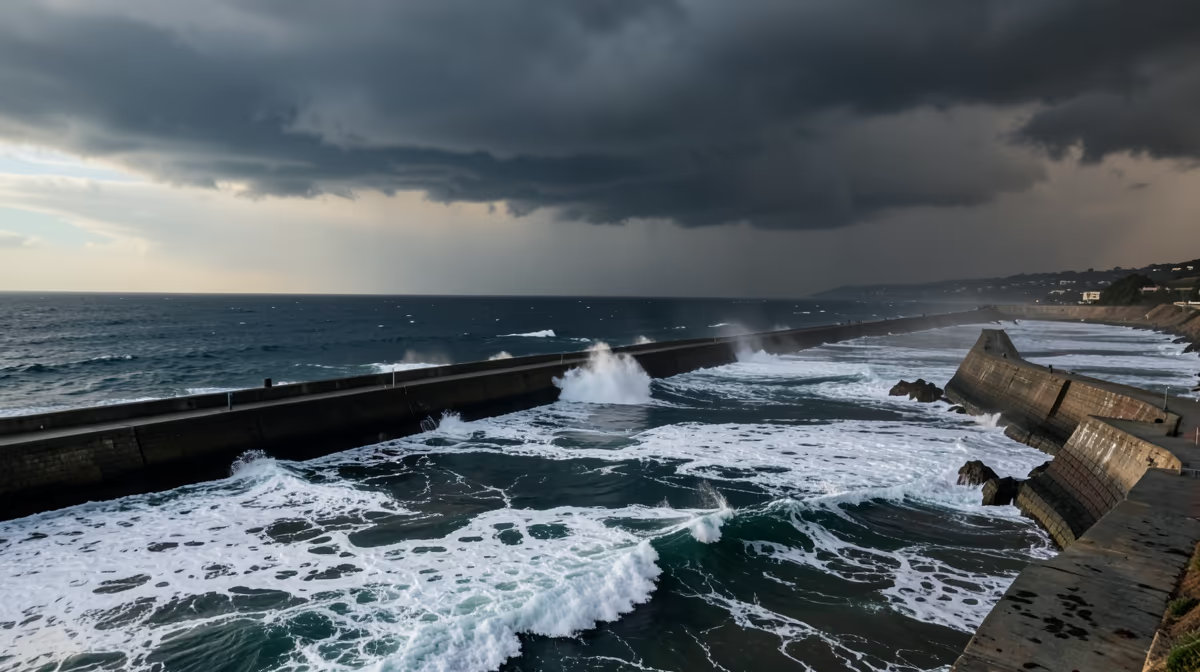
The latest Super El Nino winter forecast is raising alarms for communities across the Pacific coast, bringing unprecedented weather shifts to California, British Columbia, and the Hawaiian islands. Meteorologists are forecasting a potentially historic 'super' El Niño winter, prompting flood preparations across California and raising questions about what the weather pattern means for regions like British Columbia.
Communities along the West Coast are accelerating infrastructure readiness and flood defenses as meteorologists warn of a historic, strengthening El Nino winter pattern.
Understanding the Meteorological Anomalies
Forecasters warn that a strong El Nino pattern is shaping up, bringing concerns of severe weather and historic impacts by the upcoming autumn and winter seasons. Communities in the San Francisco Bay Area and San Luis Obispo County are already stepping up flood preparations and monitoring forecasts closely as the system strengthens.
The strengthening of equatorial Pacific sea surface temperatures points toward an intensifying El Nino cycle, driving dramatic shifts in global atmospheric river patterns and precipitation extremes. El Nino is part of the broader El Nino-Southern Oscillation cycle, a naturally occurring climate phenomenon that shifts back and forth between warmer El Nino phases and cooler La Nina phases every few years. Historically, strong or super El Nino events have been linked to dramatic weather disruptions worldwide, altering jet streams and bringing heavy rainfall to the western Americas while causing droughts in other parts of the globe.
- Ocean temperatures: Central and eastern tropical Pacific waters show significant warming trends.
- Jet stream shift: Atmospheric currents adjust to accommodate warmer sea surface anomalies.
- Meteorological anomalies: Extreme pressure and temperature variances alter global precipitation pathways.
Regional Impacts Across California and the Pacific Northwest
While California braces for potentially dramatic impacts and historic heat or heavy precipitation, regions further north, including British Columbia, are evaluating what the phenomenon typically brings to their local climates. Experts emphasize that the strength of this developing pattern could mirror some of the most notable El Nino events in recorded history.
Emergency management agencies and local municipalities are reviewing infrastructure readiness to mitigate potential heavy rains, flooding, and storm damage. Public officials are expected to release further guidance as meteorologists continue to track the evolution of the weather pattern in the coming weeks.
- California faces heightened risks of intense rainfall, flooding, and mudslides.
- British Columbia evaluates regional climate impacts tied to Pacific warming trends.
- Bay Area communities and San Luis Obispo County actively reinforce storm drains and local flood defenses.
A severe El Nino winter can drastically alter weather extremes, swinging regions from severe drought to intense flooding and mudslides.
Infrastructure Readiness and Economic Pressures
Local and regional authorities, particularly across California and British Columbia, face mounting electoral pressure to upgrade aging flood defense infrastructure and overhaul emergency response funding before severe winter storms hit. Agricultural sectors, property markets, and municipal budgets face heightened risk profiles, as intense flooding threatens supply chains, real estate valuations, and disaster relief fiscal reserves.
Extreme weather volatility driven by major climate oscillations disrupts transnational trade corridors along the North American Pacific coast, highlighting the vulnerability of shared supply chains and water management systems. At the same time, the rush to prepare physical infrastructure for immediate flood risks may divert critical municipal resources away from long-term climate resilience and wildfire mitigation strategies needed for subsequent dry seasons.
Historical Context and Timeline of the Developing Pattern
Looking back at historical analogs, analysts and researchers frequently point to the 1997-1998 Super El Nino event, which brought severe flooding, mudslides, and massive infrastructure damage across the western coast of North America. The current trajectory follows a distinct timeline of strengthening indicators and localized mobilization.
- Meteorologists and regional forecasters identify strengthening indicators pointing toward an exceptionally strong El Nino winter pattern.
- Bay Area and Pacific Northwest communities accelerate local flood preparations and public awareness campaigns.
- Anticipated arrival of heavy autumn and winter storms testing the upgraded flood defenses and municipal disaster response capacities.
As meteorological agencies and regional news outlets continue to release updates regarding the strengthening super El Nino pattern, communities in high-risk zones are reviewing flood preparations and monitoring ongoing forecasts as autumn approaches.
Frequently Asked Questions
What is a super El Nino winter forecast for California and B.C.?
Meteorologists are forecasting a potentially 'super' or historic El Nino winter pattern that could significantly impact weather conditions across the West Coast, including California and British Columbia. This strengthening climate pattern often brings major shifts in regional precipitation and temperature trends as it develops.
Why does a historic El Nino matter for coastal regions?
A historic El Nino is significant because it heavily influences winter storm tracks, potentially leading to increased heavy rainfall, flooding risks, and severe weather events. Communities in regions like the San Francisco Bay Area and San Luis Obispo County are already stepping up flood preparations to mitigate potential damages.
Who is affected by the upcoming super El Nino?
Residents across Western North America, from California up to British Columbia, will be directly affected by the shifting winter weather patterns. Local municipalities, emergency services, and homeowners in flood-prone areas are taking proactive steps to prepare for heavy downpours and storm surges.
What happens next as the El Nino pattern strengthens?
As the El Nino continues to develop and strengthen through the autumn months, forecasters expect more definitive data on storm frequency and intensity. Local authorities will likely issue more specific regional warnings and ramp up infrastructure checks ahead of the winter season.
What is the meteorological background behind these super El Nino predictions?
El Nino is a naturally occurring climate phenomenon marked by warmer-than-average sea surface temperatures in the central and eastern Pacific Ocean. When these temperature anomalies reach extreme thresholds, experts classify the event as a 'super' or historic El Nino, which tends to drastically alter global weather patterns.
How are local communities in California preparing for the forecast?
Communities throughout regions like the Bay Area are actively stepping up flood preparations by clearing storm drains, inspecting levees, and reviewing emergency response plans. Local officials are urging residents to take advantage of dry weather to secure their properties before the winter storms arrive.
Conclusion
The convergence of rising equatorial Pacific sea surface temperatures and developing atmospheric anomalies points clearly toward an intense and potentially historic El Nino winter across the Pacific coast. While meteorological agencies continue tracking the exact trajectory of the system, regional authorities and local communities in California and British Columbia are actively executing flood preparations and infrastructure checks. Whether communities successfully utilize the advance warning to minimize property damage or face severe storms that outpace current defenses will depend on the continued vigilance of emergency planners and local governments as autumn transitions into winter.
Sources
- Meteorologists are forecasting a 'super' El Niño. What does that mean for B.C.? — CBC
- Enjoy the sunshine while you can, SLO County. We’re in for an El Niño winter — San Luis Obispo Tribune
- Forecasters say California could face 'historic' El Niño winter; Bay Area communities step up flood preps — ABC7 Bay Area
- Super El Niño on the way: What it means for DC weather — FOX 5 DC
- ‘Historic' El Niño could be unfolding, experts say, as pattern strengthens — NBC 5 Chicago
- Latest El Niño forecast calls for historic heat by this autumn — The Weather Network


.webp)

