
Ukrainian Drone Strike on Yanina Cargo Ship Stuns Naval Analysts
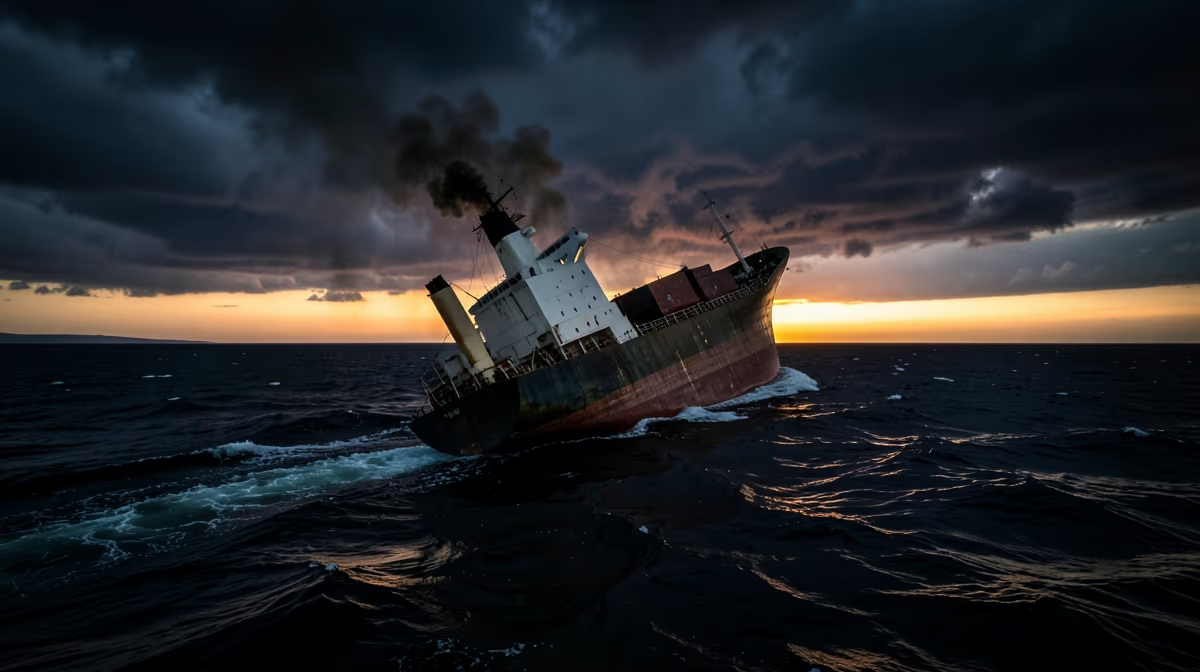
A Ukrainian sea drone strike successfully sank the Palau-flagged cargo ship Yanina in the Black Sea last week, according to regional maritime authorities and defense intelligence reports released in Washington on Monday. When uncrewed surface vessels alter the economic and physical security of vital shipping lanes, the entire calculus of international maritime trade shifts overnight.
The vessel, which was carrying a load of grain, was struck by an uncrewed surface vehicle off the coast of Crimea, resulting in catastrophic hull damage and the eventual sinking of the ship before a rescue operation could secure it. Crew members were reportedly evacuated safely by local maritime rescue teams, though details regarding minor injuries remain under review by international shipping regulators. The Yanina cargo vessel was targeted and sunk in the Black Sea by a Ukrainian sea drone, demonstrating Ukraine's continued asymmetric warfare capabilities at sea despite being outgunned in traditional naval strength. Sea drones are essentially remote-controlled motorboats packed with high explosives, allowing Ukraine to strike targets from a distance without risking the lives of sailors. The incident took place in the contested waters of the Black Sea, adding to the growing list of naval losses Russia has suffered during the ongoing war. While cargo ships are generally meant for commercial goods, vessels in this conflict are often scrutinized for their potential military uses or connections to supply chains, highlighting how vulnerable maritime transport remains in active war zones.
Strategic Roots and Maritime Escalation
The systematic targeting of maritime logistics supporting Russia's parallel economy and military supply chains in the Black Sea stems from asymmetric Ukrainian naval drone tactics. Since the full-scale invasion of Ukraine began, the Black Sea has been a major theater of conflict. Lacking a traditional large navy, Ukraine has successfully innovated by developing low-cost sea drones to neutralize larger Russian warships and disrupt supply lines. This timeline of escalation includes the collapse of the Black Sea Grain Initiative and militarization of maritime trade routes, the rapid development and deployment of Ukrainian indigenous long-range maritime kamikaze drones, successful asymmetric strikes on Russian naval assets forcing fleet relocation from Sevastopol, the expansion of targeting parameters to include commercial cargo vessels servicing Russian ports, and the current strategic normalization of high-risk maritime corridors and shifting insurance paradigms in the Black Sea.
Economic Fallout and Market Vulnerability
The attack underscores the escalating maritime conflict in the Black Sea, where commercial vessels continue to face collateral risks from military operations. Ukrainian defense officials have increasingly relied on domestic drone technology to target logistical supply lines and vessels operating in contested or Russian-controlled waters. Maritime security analysts in the United States note that the incident could drive up insurance premiums for grain and cargo shipments transiting the region, potentially impacting global food supply chains that depend heavily on Black Sea export corridors. Increased insurance premiums and freight rates for vessels operating in or near Russian Black Sea ports effectively disrupt Moscow's non-oil export revenues and shadow fleet operations. The event directly affects Russian military and shipping operators, insurance companies providing coverage for Black Sea trade, and international markets that rely on the region for stable shipping and food supplies.
Geopolitical and Defense Implications
The incident redefines naval warfare doctrine by proving that low-cost asymmetric drone systems can deny maritime dominance to a traditional blue-water navy, altering strategic calculations in Washington and NATO capitals regarding Black Sea security. It demonstrates Kyiv's unwavering capability to project power into contested maritime domains, applying pressure on Western allies to maintain or increase military aid amidst political fatigue. The historical parallel lies in the strategic use of commerce raiding and unrestricted submarine warfare during the World Wars, adapted for the digital and robotic age to strangle an adversary's economic lifeline. Furthermore, hidden angles involve the potential use of third-party flags of convenience and complex shell companies to mask the ultimate beneficial ownership of cargo vessels carrying dual-use goods through the region.
Short-Term Outlook and Regional Risk Assessment
US intelligence and defense agencies will review the strike data to assess the capabilities and range of modern Ukrainian maritime drones, while shipping insurers monitor Black Sea safety over the next twenty-four hours. Within seventy-two hours, diplomatic statements from Washington may address the escalation of Black Sea attacks, and commercial shipping companies will likely reassess route risks for vessels operating near contested regions. Analysts expect the incident to further harden supply chain vulnerabilities in Eastern Europe, prompting calls for enhanced monitoring rather than direct US military intervention. In the best-case scenario, shipping companies successfully reroute vessels, minimizing casualties and economic disruption while conflict boundaries remain contained. Conversely, the worst-case scenario involves retaliatory strikes by Russia that escalate maritime conflict, resulting in environmental disasters and direct threats to international commercial vessels.
Frequently Asked Questions
What happened to the Yanina cargo ship?
The Yanina cargo vessel was reportedly targeted and sunk by a Ukrainian drone strike. This incident highlights the expanding range and impact of asymmetric naval warfare in the region.
When was the Yanina cargo ship sunk?
The attack involving the Yanina cargo vessel occurred amidst ongoing maritime escalations in the Black Sea conflict zone. Specific timeline details emerged following reports from regional intelligence and defense analysts.
Where did the attack on the Yanina cargo ship take place?
The strike took place in strategic waters frequently utilized for commercial shipping and military operations. Exact coordinates are typically monitored closely by international maritime authorities.
Who claimed responsibility for sinking the Yanina cargo?
Ukrainian defense forces and specialized drone units have been credited with conducting various successful asymmetric strikes against vessels in the area. These operations aim to disrupt logistics and supply lines supporting opposing forces.
What type of drone was used against the Yanina cargo?
The operation utilized advanced maritime kamikaze drones capable of carrying significant explosive payloads over long distances. Such unmanned surface vessels have become a defining feature of modern naval combat.
How does the sinking of the Yanina affect regional shipping?
Incidents involving commercial vessels like the Yanina heighten safety concerns for maritime trade and insurance rates in the region. Navigational risks remain elevated as conflict zones continue to overlap with critical shipping lanes.
Conclusion
The confirmed sinking of the cargo ship Yanina by a Ukrainian sea drone off the coast of Crimea highlights the persistent dangers facing commercial navigation in the Black Sea. With crew members successfully evacuated and regional maritime authorities reviewing the incident, attention now turns to how international regulators, shipping insurers, and defense analysts will respond to rising navigational risks. Realistic next steps involve heightened monitoring of maritime corridors, continued assessment of supply chain vulnerabilities, and ongoing diplomatic evaluations in Washington as regional actors navigate the shifting dynamics of Black Sea security.


.webp)
