
Emergency Diesel Stockpile Talks Spark Major UK Supply Concerns
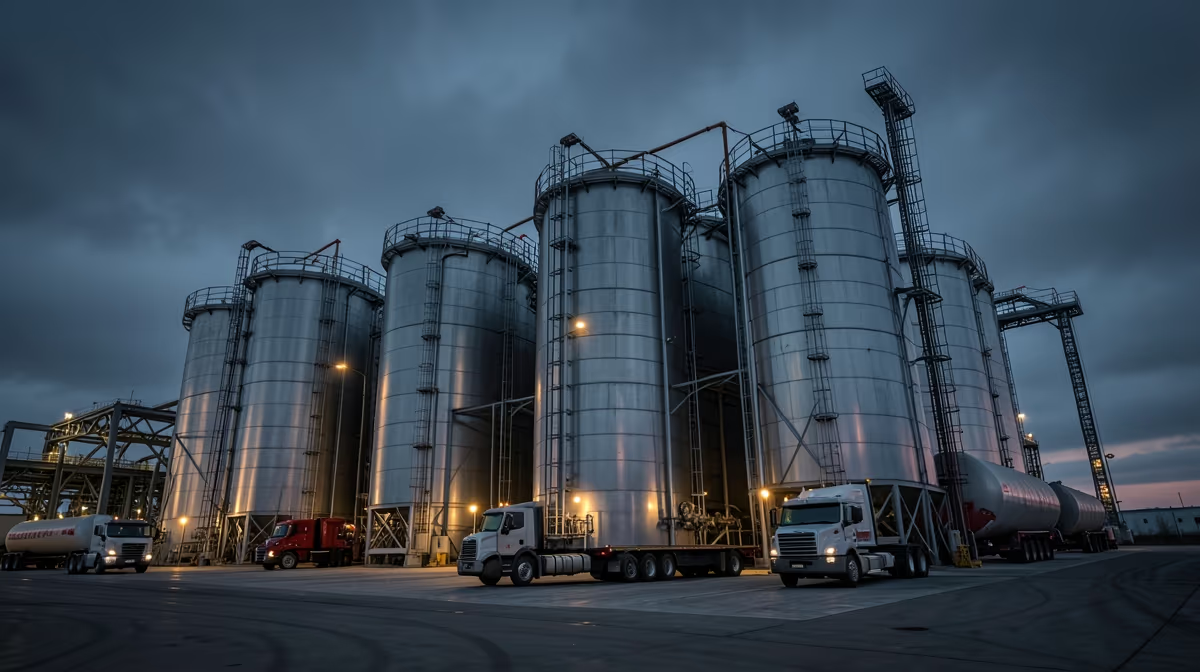
High-level energy security consultations have moved into a critical phase as the UK and its European counterparts address a brewing supply emergency. Amid growing concerns over market stability, Britain in talks over releasing emergency diesel stockpiles to safeguard national infrastructure and prevent localized shortages.
The release of emergency diesel stockpiles represents a rare and significant intervention, typically reserved for periods of severe market disruption or threats to national security.
Reports from major news outlets, including The Telegraph, Financial Times, and The Times, indicate that the UK government is currently engaged in urgent crisis talks with European allies. These discussions focus on the potential coordinated release of strategic reserves to maintain steady fuel availability for businesses and consumers alike. The move signals a heightened level of concern among officials regarding the resilience of current fuel supply chains and the potential for significant economic disruption.
The Framework of Emergency Fuel Talks
The ongoing discussions between Britain and its European allies are centered on evaluating the state of regional reserves. Energy ministers and international bodies are currently reviewing inventory levels to determine if a formal release is authorized. This coordination is essential because the diesel market is deeply integrated across the continent, and unilateral actions could lead to market imbalances.
Coordinated International Response
As the UK addresses potential supply strains, it is working in tandem with EU countries to ensure that any release of diesel stocks is handled strategically. This international cooperation is designed to prevent panic buying and to ensure that fuel remains available for the most critical sectors of the economy. Officials are evaluating whether tapping into these emergency supplies is the most effective way to stabilize markets that are currently facing mounting international pressure.
- Britain is in talks regarding the potential release of emergency diesel stockpiles.
- Discussions involve emergency coordination with European allies and EU countries.
- Multiple news outlets, including The Telegraph and Independent.co.uk, are tracking the unfolding crisis.
- The situation is influenced by external export pressures, including specific concerns regarding US policy.
The Geopolitical Catalyst
The primary driver behind these emergency talks appears to be external trade threats and the tightening of global energy markets. Specifically, reports suggest that the threat of a fuel export ban from the United States under Donald Trump has forced European nations to reconsider their reliance on transatlantic supply lines. This potential shift in US trade policy has exposed the high stakes of energy dependency, pushing Britain and its allies to look toward regional stockpiles for support.
| Stakeholder Group | Primary Impact Area |
|---|---|
| UK Government | National energy security and infrastructure stability |
| European Allies | Regional fuel stock management and trade coordination |
| Logistics & Freight | Operational cost management and supply chain continuity |
| Heavy Industry | Production stability and manufacturing overheads |
This geopolitical friction has highlighted a systemic fragility in global refined product supply chains. When major exporters signal potential restrictions, strategic reserves quickly become the primary line of defense against what analysts describe as the weaponization of trade. The current talks are a direct response to these vulnerabilities, as governments face the pressure of ensuring domestic stability without appearing vulnerable to external policy shifts.
Economic Implications and Supply Chain Stability
The potential for a fuel supply crisis carries significant weight for the broader economy. Diesel is not merely a fuel for passenger vehicles; it is the lifeblood of industrial and commercial operations. Any disruption in its availability or a sharp spike in its price can have a cascading effect across various sectors.
Diesel is a critical fuel that powers freight transport, agriculture, emergency services, and heavy industry, meaning any disruption can quickly drive up shipping and production costs.
If diesel supplies tighten significantly, the increased costs for transportation and manufacturing will likely stoke inflationary pressures across the UK and European economies. This risk is a central concern for policymakers, as higher costs for shipping everyday goods eventually lead to higher prices for consumers. Tapping into emergency stocks is viewed as a mechanism to dampen these price spikes and ensure that the freight and logistics sectors can continue to operate without interruption.
Technical Background: Strategic Petroleum Reserves
Governments and international energy agencies typically require nations to maintain minimum strategic petroleum reserves. These reserves are designed to cushion the economy against sudden supply shocks, geopolitical conflicts, or natural disasters. The current talks regarding the release of these stocks are a rare step, as such reserves are generally held in strict confidence and only utilized during severe market disruptions.
Historical Parallel
Analysts draw parallels between the current situation and the 1973 oil crisis. That historical event led to the establishment of the International Energy Agency (IEA) framework, which created the protocols for releasing emergency petroleum reserves. The fact that Britain and its allies are now revisiting these protocols suggests that the perceived threat to current diesel supplies is being treated with a similar level of gravity as previous global energy shocks.
Predicting the Market Trajectory
In the immediate term, the energy markets are expected to remain highly volatile. Analysts anticipate that as governments weigh the release of strategic reserves against geopolitical pressures, market participants will be closely watching for any formal authorization of stock releases.
- Next 24 Hours: Britain and European allies are expected to continue emergency talks amidst ongoing export ban pressures.
- Next 72 Hours: Further coordinated announcements or formal agreements regarding fuel stability could emerge.
- Long-term Impact: Continued uncertainty may lead to price fluctuations as the market assesses the adequacy of regional reserves.
The best-case scenario involves a successfully coordinated release of diesel stocks that stabilizes regional supplies and prevents a sharp price spike. Conversely, the worst-case scenario would involve prolonged uncertainty and a failure to reach an agreement, which could lead to supply shortages and strained energy security across both Britain and Europe.
Assessing the Stakeholder Impact
The groups most affected by the outcome of these talks include manufacturing businesses, transport operators, and the general public. For logistics companies, the availability of diesel is a matter of operational survival. For the manufacturing sector, diesel-powered machinery and heavy industry require a steady supply to maintain production schedules.
As energy ministers and technical consultants continue their review of inventory levels, the focus remains on ensuring that critical infrastructure—such as emergency services and agricultural networks—remains functional. The reliance on international cooperation during these critical market pressures highlights the interconnected nature of modern energy markets and the shared risks faced by the UK and its European neighbors.
Frequently Asked Questions
Why is Britain holding emergency talks over diesel stockpiles?
Britain and European allies are in crisis talks regarding the potential release of emergency diesel stocks. These discussions were prompted by external supply pressures, including potential export restrictions from the United States under Donald Trump.
Are other countries involved in these emergency diesel talks?
Yes, several EU countries are participating alongside Britain in these high-level discussions. The nations are coordinating responses to potential fuel shortages and evaluating shared emergency reserves.
What triggered the discussions about tapping EU diesel stocks?
The emergency talks were triggered as Britain and European nations looked toward regional stockpiles for support. This move comes amid growing concerns over potential fuel export bans and tightening global energy markets.
Who is affected by the potential release of emergency diesel?
Consumers, transport networks, and industries reliant on diesel fuel across Britain and Europe could be impacted by these decisions. Releasing emergency reserves aims to stabilize fuel availability and prevent sharp price spikes for end users.
What happens next regarding the diesel stockpiles?
Governments and international allies will continue assessing reserve levels and market conditions to determine if officially releasing the emergency stocks is necessary. Further announcements are expected as diplomatic and energy talks progress.
How do emergency diesel reserves work in the UK?
The UK maintains strategic emergency fuel reserves designed to be tapped during severe supply disruptions or national crises. These stockpiles act as a buffer to ensure critical infrastructure and transport sectors can continue operating during shortages.
Conclusion
Britain and its European allies remain locked in emergency consultations over the potential release of emergency diesel stockpiles to counter supply vulnerabilities and external export threats. These talks, reported by major outlets like the Financial Times and The Telegraph, represent a strategic effort to stabilize a volatile energy market and protect critical industrial sectors. While the immediate focus is on inventory assessment and diplomatic coordination, the underlying cause—systemic fragility and transatlantic trade tensions—suggests a significant shift in how nations manage energy security. The coming days will be decisive in determining whether a formal release of strategic reserves is authorized to mitigate the risk of price spikes and supply shortages across the region.
Sources
- Britain in talks over releasing emergency diesel stockpiles — The Telegraph
- UK in emergency talks with European allies over releasing diesel stocks — independent.co.uk
- EU countries in crisis talks over release of diesel stocks — Financial Times
- Britain looks to tap EU diesel stocks as Trump threatens export ban — The Times
- Europe Holds Emergency Diesel Talks — Rigzone


.webp)

