
Spain housing crisis protests ignite nationwide outrage as tens of thousands take to the streets
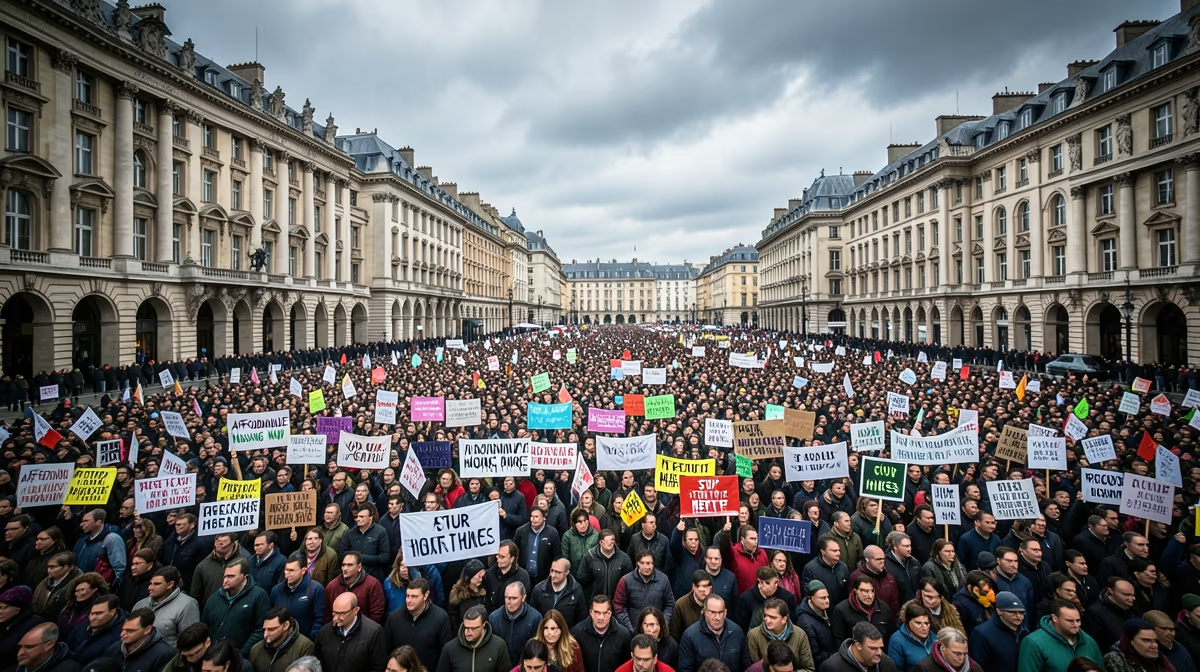
The streets of Spain have been transformed from bustling tourist thoroughfares into the epicenter of a profound social struggle as residents fight for the fundamental right to affordable shelter. Citizens take to the streets as the Spain housing crisis protests escalate into a national movement addressing affordability and tourism pressures, signaling a tipping point in the country’s post-pandemic economic recovery.
When housing becomes unaffordable for everyday workers and families, it destabilizes communities, deepens inequality, and forces people out of their homes, threatening the economic security of urban populations everywhere.
Root causes behind the Spain housing crisis protests
The current unrest is not a sudden eruption but the result of a severe structural mismatch that has been building within the Spanish economy for years. At the heart of the frustration is a widening chasm between stagnant local wages and surging urban housing costs. This discrepancy is largely driven by two major forces: the prioritization of tourism and the influx of speculative investment into the real estate market.
Urban centers are witnessing a transformation where residential properties are increasingly converted into short-term holiday rentals, catering to international visitors rather than the local workforce. This shift has severely compromised housing affordability for residents, creating an environment where lower- and middle-income families are being priced out of their own neighborhoods. Analysts suggest that the prioritization of tourism as a primary economic driver has come at a significant social cost, threatening domestic consumption and the stability of the urban labor market.
Furthermore, the impact of gentrification has altered the social fabric of major cities. As foreign capital flows into the rental market, property values have disconnected from the local economic reality. This global affordability crunch is not unique to Spain, but the country has become a prominent example of the social fallout associated with post-pandemic economic models that favor international real estate investment over domestic housing security.
Government response and future outlook for the rental market
As the scale of the demonstrations grows, regional and national governments find themselves under intense pressure to move beyond rhetoric and implement aggressive state interventions. Protesters and housing rights activists are demanding structural reforms that include:
- Formal caps on rental prices to prevent further spikes in the cost of living.
- Significant restrictions on short-term holiday rentals to return housing stock to the residential market.
- Increased investment in social housing to alleviate the supply shortage.
- Greater transparency in speculative real estate transactions.
The political challenge lies in balancing these demands for market intervention with the existing free-market pressures and the economic reliance on the tourism sector. Political leaders are currently struggling to formulate effective policy responses that satisfy an angry electorate while maintaining the country's status as a top-tier destination for international investment and travel.
The visual of a nation in turmoil
The sheer scale of the movement is evidenced by the tens of thousands of people who have mobilized across various Spanish cities. These are not merely transitory marches; the protests have taken on a more permanent character. In many urban centers, demonstrators have remained camped out in public spaces, a strategic move designed to keep the pressure on officials and maintain the visibility of their grievances.
This physical presence in the streets underscores a deepening socio-economic challenge. The imagery of thousands of residents living in makeshift camps amidst the backdrop of major metropolitan areas serves as a powerful testament to the desperation felt by renters and prospective homebuyers. These participants represent a broad cross-section of society, including young professionals, families, and elderly residents, all united by the common threat of housing insecurity.
A shifting landscape of vulnerability
While the housing crisis is the primary driver of the current unrest, it is intersecting with other regional challenges that exacerbate social fragmentation. Spain’s ongoing climate vulnerabilities, highlighted by recent severe flooding events that have strained municipal infrastructure, are adding another layer of complexity to the urban crisis.
The intersection of these two issues is particularly concerning for policy analysts. When municipal resources are diverted to manage environmental disasters, the capacity to address housing infrastructure and affordability is often diminished. This creates a "hidden angle" where environmental instability could accelerate urban displacement, as the most vulnerable residents are often the ones living in areas most susceptible to both economic and climate-related shocks.
The weight of history: From 2008 to 2026
The current mobilization draws significant historical parallels to the anti-eviction movements that emerged following the 2008 Spanish property market crash. Organizations like the PAH (Platform of People Affected by Mortgages) laid the groundwork for the current activist networks, providing a blueprint for social mobilization against housing injustice.
However, unlike the 2008 crisis which was characterized by a wave of mortgage defaults and bank repossessions, the 2026 crisis is primarily a rental and affordability crisis. This shift reflects a move from a society of distressed homeowners to a society of "generation rent," where even those with stable employment find it impossible to secure a place to live. The historical memory of the previous crash fuels the current determination, as many residents feel the lessons of the past have not been fully integrated into national housing policy.
Predicting the next steps for the movement
The immediate future of the protests remains tense as both demonstrators and authorities brace for a prolonged standoff. Based on current developments, the following timeline and scenarios are expected:
| Timeframe | Expected Developments |
|---|---|
| Next 24 Hours | Protesters are expected to maintain their street camps; regional authorities will monitor for potential law enforcement interactions. |
| Next 72 Hours | Mounting pressure on housing officials to issue formal responses to demonstrator grievances. |
| Medium Term | Potential for heightened public scrutiny on housing affordability measures during local government sessions. |
The best-case scenario for the current situation involves the opening of a constructive dialogue between protest leaders and government officials, leading to a comprehensive and formal review of housing affordability measures. Conversely, the worst-case scenario involves escalating tensions between campers and law enforcement if demonstrations are prolonged without a clear resolution or policy concession, potentially leading to social instability in major urban centers.
Geopolitical and continental implications
Spain’s struggle is being watched closely by other European Union nations facing similar challenges with urban gentrification and foreign capital influx. As a prominent EU member, Spain’s response to the housing crisis will likely set a precedent for how other continental governments manage the social fallout of rising living costs.
The crisis highlights a broader challenge within the European Union regarding the balance between the free movement of capital and the protection of basic social rights. If Spain successfully implements measures like rent caps or holiday rental restrictions, it could signal a shift toward more interventionist social policies across the continent. However, if the crisis continues to worsen, it may serve as a warning of the potential for deep-seated social unrest in any major urban market that fails to prioritize housing security for its local population.
Frequently Asked Questions
What is happening with the housing crisis protests in Spain?
Tens of thousands of people have taken to the streets in Spain to protest a severe housing crisis, with many demonstrators remaining camped out. According to BBC and NBC News reports, the widespread demonstrations highlight intense public frustration over surging housing costs and living conditions.
Why are people in Spain protesting the housing market?
The protests erupt from widespread anger over skyrocketing housing costs that have made acquiring or renting homes increasingly difficult for everyday residents. This immense financial pressure has galvanized tens of thousands into taking direct action across the country.
Who is affected by the housing crisis in Spain?
Everyday residents and potential homebuyers or renters facing extreme financial strain are directly impacted by the soaring cost of living and scarce affordable housing. The mass protests reflect deep frustration among citizens struggling to secure stable shelter.
What are the demonstrators doing during the Spain housing protests?
Protesters have not only marched in the streets by the tens of thousands, but many have also remained camped out to sustain their demonstration. This ongoing physical presence underscores the determination of citizens demanding urgent solutions to the housing crunch.
What is the background of the current housing unrest in Spain?
The unrest builds on mounting economic pressures and long-standing affordability challenges within Spain's real estate and rental sectors. These underlying issues have finally boiled over into massive public demonstrations captured by major news outlets.
What happens next regarding the housing protests in Spain?
As protesters continue to camp out and demand reform, public pressure mounts on officials to address the deeply entrenched housing affordability issues. Future developments will depend on how authorities respond to the sustained mobilization of angry citizens.
Conclusion
The mass protests across Spain represent a significant escalation in the public's demand for housing justice, moving beyond simple demonstrations to sustained street encampments. With tens of thousands of citizens voicing their anger over the structural mismatch between local earnings and speculative housing costs, the pressure on regional and national authorities has reached a critical level. While the future remains uncertain, the movement has succeeded in making housing affordability the dominant national issue, forcing a long-overdue conversation on the social costs of tourism-driven economic models. The next 72 hours will be crucial in determining whether the government will offer the structural reforms required to pacify a frustrated populace or if the standoff in the streets will intensify.
Sources
- 'Anger in the streets': Tens of thousands protest in Spain over housing crisis — BBC
- Lamine Yamal Scores Golazo And Spain's Unbeaten Streak Continues — FOX Sports
- One dead and scores rescued in floods in Spain — CNN
- Torres forced out of Spain squad; Madrid's Espí gets first call-up — ESPN
- Where to watch Spain vs. Czechia live stream, TV channel, start time for Nations League match — Yahoo Sports
- Protesters in Spain remain camped out over housing crisis — NBC News


.webp)
