
Trump Russia oil sanctions waiver triggers sudden shift in global trade
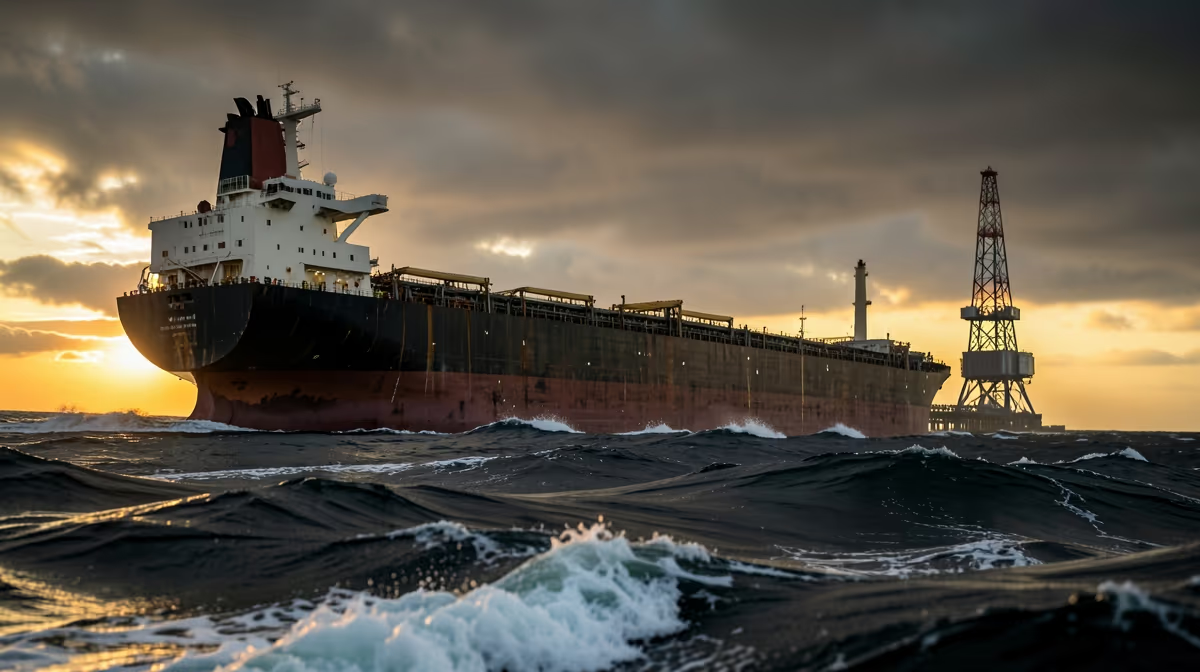
Global energy corridors are recalibrating overnight as Washington alters its economic enforcement architecture. When Donald Trump waives Russia oil sanctions in a major policy shift affecting global energy markets, the ripples extend far beyond traditional diplomatic circles directly into commodity trading hubs and sovereign treasuries.
The decision to lift punitive measures on crude oil supply and gas purchases introduces an abrupt change to international trade rules. By removing these specific barriers, the United States has restructured the compliance terrain for international buyers who previously navigated rigorous financial penalties to secure essential fuel reserves.
The waiver of US sanctions and tariffs on Russian oil and gas purchases removes long-standing regulatory barriers, offering immediate supply chain relief to major energy-importing nations like India.
Implications of the Trump Russia Sanctions Waiver
The policy adjustment directly targets the trade of Russian oil and gas by removing tariffs and punitive measures previously applied to international transactions. For years, the enforcement framework established by Washington restricted foreign entities from purchasing Russian energy resources without facing secondary financial exposure or trade penalties.
Major news outlets, including The Hindu, Rediff, and The Times of India, have verified that the waiver alters how international markets can access these specific energy resources. The regulatory adjustments effectively lift restrictions that once dictated how petroleum flows could move legally through global supply networks.
Under the previous framework, purchasing Russian commodities required complex compliance systems to avoid triggering American penalties. By lifting the sanctions and accompanying tariffs, the current administration removes a primary obstacle that complicated energy acquisitions, granting consuming nations the ability to engage in trade related to Russian energy supplies with fewer regulatory hurdles.
How Energy Geopolitics Drove the Decision on Russian Oil and Gas Tariffs
The strategic rationale behind waiving the restrictions centers on the dual challenge of domestic inflation pressures and global supply bottlenecks. Energy geopolitics requires balancing diplomatic pressure against the fundamental economic necessity of stable crude flows.
The administration has faced mounting domestic pressure to lower consumer energy costs while preserving diplomatic flexibility with key international partners. Maintaining rigid restrictions during periods of market stress often restricts access to essential energy volumes, elevating costs across consumer markets and international supply chains.
At the root of the policy pivot is the operational challenge of enforcing broad resource isolation over extended periods. Persistent market demand, coupled with the resilience of alternative non-dollar trading networks, demonstrated the structural friction caused by comprehensive sanctions. Waiving the restrictions acknowledges these underlying market dependencies while providing an economic mechanism to ease international price pressures.
The administration faces intense domestic pressure to lower energy prices and maintain diplomatic flexibility with key global partners, forcing a pragmatic rollback of rigid sanctions regimes.
The Energy Shift: Strategic Evolution
| Phase | Policy Stance | Global Market Impact |
|---|---|---|
| Initial Enforcement | Escalation of sanctions and tariffs on Russian energy exports | Disruption of traditional supply chains and rising international fuel costs |
| Intermediate Pressure | Strict secondary compliance and market bottlenecks | Elevated import costs and rising pressure from major importers like India |
| Current Adjustment | Waiver of sanctions and tariffs on Russian energy purchases | Direct regulatory relief and stabilization of crude oil supply flows |
Relief for Major Importers and US-India Bilateral Relations
The announcement brings immediate operational relief to major energy-importing economies, most notably India. Indian energy importers have spent months balancing domestic fuel requirements against strict regulatory mechanisms imposed by Western authorities.
India relies heavily on diversified crude imports to sustain its industrial growth and domestic transportation networks. Under the previous regime, acquiring discounted energy shipments required continuous evaluation of shipping insurance, specialized maritime logistics, and complex cross-border financial transactions to avoid triggering unilateral US penalties.
With the waiver in place, Indian refiners and state-backed purchasers gain regulatory clarity. The removal of Russian oil and gas tariffs eliminates trade friction between Washington and New Delhi, allowing bilateral relations to advance without the persistent diplomatic overhang of secondary energy sanctions.
Historical Parallels in American Sanctions Policy
Strategic exemptions within American foreign policy are not unprecedented during times of severe commodity volatility. Throughout modern economic history, Washington has selectively introduced waivers to stabilize international markets when primary sanctions threatened to trigger broad inflationary shocks.
A clear historical parallel exists in past strategic exemptions granted to allied nations during critical energy shocks, such as the temporary waivers issued on Iranian oil imports. In those instances, rigid adherence to trade embargoes threatened to starve global refiners of light and heavy crude blends, prompting policymakers to issue calculated exemptions to prevent extreme price spikes.
The decision regarding Russian energy functions on a similar pragmatic principle. When comprehensive trade measures begin distorting global trade routes to the point of straining key economic partners, administrative exemptions offer a mechanism to protect energy security without permanently dismantling formal legislative structures.
Financial Transactions and Maritime Logistics
The removal of tariffs and sanctions extends beyond the purchase price of crude, directly altering the peripheral industries that sustain maritime petroleum commerce:
- Shipping insurance providers can extend coverage to transport vessels carrying Russian oil and gas without risking regulatory blacklisting.
- International banking institutions and clearinghouses can process energy-related financial transactions with substantially reduced compliance liability.
- Tanker operators and logistics firms gain access to standard shipping routes without resorting to irregular or opaque maritime arrangements.
- Global refiners can optimize their procurement strategies, acquiring specific crude grades based on commercial viability rather than secondary enforcement risk.
By untangling these operational constraints, the waiver lowers the hidden compliance premiums that previously drove up the delivered cost of Russian energy for destination ports worldwide.
Forecasting the 24-Hour and 72-Hour Horizon
The immediate trajectory following the waiver announcement involves rapid administrative assessments across international trading centers. Over the next 24 hours, energy analysts and financial markets will digest the specific regulatory provisions of the policy adjustment, paying exceptional attention to how Indian energy importers update their procurement schedules.
Across the next 72 hours, formalized trade discussions are set to accelerate. Policymakers, commercial refining executives, and maritime trade bodies will evaluate the practical terms of the lifted restrictions. Industry leaders will focus heavily on how financial clearinghouses and maritime insurers adapt their standard operational guidelines to accommodate the policy shift.
Independent energy market analysts project that major importing nations will initiate an immediate recalibration of their long-term crude purchasing strategies. With sanctions suspended, state and commercial energy buyers can openly renegotiate contracts with Russian oil and gas suppliers to secure more predictable volumes.
Scenarios: Market Stabilization Versus Implementation Friction
The operational rollout of the waiver presents two distinct paths for the global economy:
Best-Case Scenario: Market Normalization
Under optimal conditions, the smooth implementation of the waiver delivers swift relief to international crude markets. Stabilized supply lines reduce price volatility across both upstream production and downstream consumer refined products. Major importing countries establish transparent trade routines, lowering domestic inflation while strengthening commercial trade corridors without diplomatic confrontation.
Worst-Case Scenario: Regulatory Friction
Conversely, if the administrative mechanisms governing the waiver lack precision, global energy trade could encounter localized volatility. Ambiguity surrounding compliance boundaries, lingering hesitance from Western maritime insurers, and rapid shifts in spot-market pricing could introduce short-term logistical delays, temporarily complicating trade flows before full stabilization is achieved.
Frequently Asked Questions
What specific action did Donald Trump take regarding Russian energy trade?
Donald Trump waived US sanctions and tariffs on the purchase of Russian oil and gas, easing international trade restrictions for purchasing nations.
Which importing nation benefits significantly from this sanctions waiver?
India receives substantial regulatory relief, allowing its energy importers and refiners to purchase Russian crude and gas without facing US financial or trade penalties.
How does this decision parallel past US sanctions policies?
The decision mirrors historical exemptions granted during severe energy shocks, such as previous import waivers on Iranian crude to prevent global price spikes.
What key logistical sectors are impacted by the removal of these energy sanctions?
The waiver directly affects global petroleum flows, maritime shipping insurance, financial transactions, and compliance clearing for commercial energy buyers.
Conclusion
The announcement that Donald Trump has waived US sanctions and tariffs on Russian oil and gas marks a substantial recalibration of international energy diplomacy. Reported across major global outlets, this development removes secondary trade barriers that previously constrained consuming nations, delivering strategic and economic relief to key international partners like India. As regulatory bodies clarify administrative procedures over the coming days, international markets and energy importers will adjust their purchasing operations to navigate this renewed commercial landscape.


.webp)