
claude-bank-account-linking-feature-personal-finance
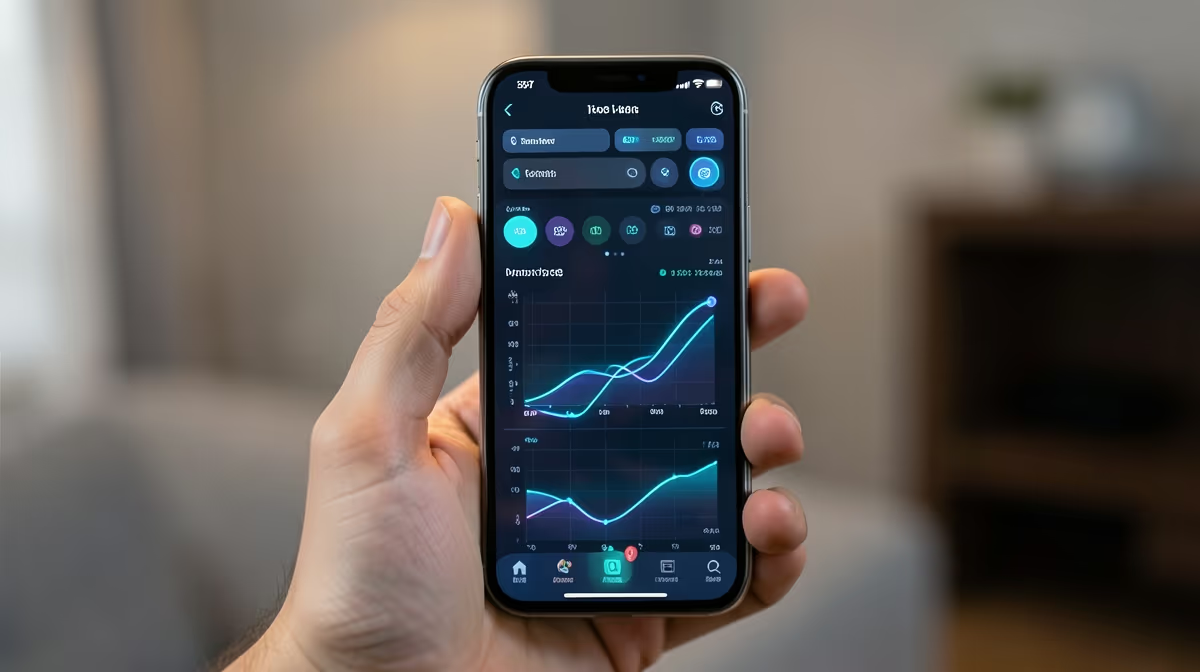
Conversational artificial intelligence is stepping directly into household balance sheets, replacing static spreadsheets with real-time dialogue. A major shift has arrived as Anthropic embeds financial rails straight into its core assistant platform, turning conversational interactions into active budgeting engines. Claude personal finance bank account linking is the latest groundbreaking update from Anthropic, allowing consumers in the United States to connect their institutional accounts straight to the model.
By granting conversational AI direct insight into transaction feeds, Anthropic is turning spending analysis from a manual chore into a continuous, real-time conversation.
How Direct Bank Linking Redefines Spending Analysis
The newly rolled-out personal finance tool allows Claude to plug straight into financial institutions, offering users automated insights into their purchasing behavior and financial management. Major tech outlets including TechCrunch, The Verge, and MacRumors reported on the feature rollout, highlighting its capability to parse personal finance data directly within the AI interface.
Instead of manually exporting spreadsheets or categorizing every single purchase, users can interact with Claude conversationally to get real-time insights into their spending habits. This integration marks a significant expansion of conversational AI utilities into consumer banking. Previously, artificial intelligence tools were primarily used for text generation, coding, and specialized tasks—such as researchers using Claude for scientific discovery or the CEO of Generate utilizing Claude to shorten CAR-T cell engines. Now, Anthropic is pushing those analytical capabilities directly into everyday consumer budgeting.
Security Concerns and the Growing Scrutiny Over Financial AI
As conversational assistants handle increasingly sensitive data, the introduction of direct bank account linking brings enhanced scrutiny regarding security, data privacy, and user consent. Integrating financial data directly into an AI platform changes how everyday people interact with their budgets, but it simultaneously elevates the stakes for data protection.
Linking sensitive financial data directly to conversational models changes consumer budgeting while elevating critical questions around user consent and data protection.
While the feature is actively being introduced to users, several technical and structural aspects remain in development.
- Confirmed: Claude now offers a personal finance feature with direct bank account linking to analyze spending habits in real time.
- Confirmed: Outlets such as TechCrunch, The Verge, and MacRumors have verified the release of this functionality.
- Developing: Full details regarding the platform's security architecture, explicit data privacy protocols, and broader rollout timelines remain under ongoing observation.
Financial technology observers note that trusting third-party AI platforms with sensitive banking credentials will require robust security frameworks to prevent unauthorized access or data exposure.
Economic Dynamics and the Shifting Banking Ecosystem
The root cause of this strategic shift lies in the relentless race among AI developers like Anthropic to embed conversational agents deeper into users' daily financial and operational lives. By bridging chat interfaces directly with institutional banking rails, AI developers are expanding their footprint beyond software tools into personal operational hubs.
From an economic perspective, direct bank integration transforms AI from a standard subscription-based utility into a transaction-adjacent ecosystem player. This positioning creates lucrative potential pathways for future monetization, personalized financial recommendations, and strategic partnerships with fintech infrastructure providers.
Furthermore, direct bank account linking could quietly alter consumer trust dynamics. Rather than opening individual legacy banking apps to check balances or categorize expenditures, users may begin relying on third-party AI interfaces as their primary dashboard for financial health. This subtle transition has the potential to alter user retention and brand loyalty for traditional financial institutions.
Regulatory Pressure and Regional Data Boundaries
The expansion of consumer-facing AI agents into sensitive financial domains heightens regulatory scrutiny from oversight bodies such as the Consumer Financial Protection Bureau (CFPB) and the Federal Trade Commission (FTC). Key regulatory concerns center on data privacy, consumer protection, and establishing clear liability in cases of financial fraud or automated analytical errors.
At the same time, this release underscores regional disparities in open financial data regulations and cross-border tech operations. While the feature launches for US consumers, global deployment faces contrasting regulatory regimes.
- United States Market: Accelerated rollout of consumer-facing open banking features under evolving federal guidelines.
- European Union Market: Stricter data sovereignty rules, demonstrated by initiatives such as bringing Claude models in Microsoft Copilot into the EU Data Boundary to meet rigorous localized privacy standards.
The heavy reliance on cloud architecture highlights how differing international frameworks impact the speed and scope of financial AI deployments globally.
Historical Parallels and Evolutionary Timeline
The emergence of AI bank account linking draws a clear historical parallel to the rise of third-party aggregation apps and open banking APIs in the early 2010s. During that era, traditional banks were forced to adapt to screen-scraping and API-driven data sharing as users demanded unified financial dashboards.
The integration of Claude into personal finance represents the next step in this evolution, transitioning from static aggregation to predictive, conversational analysis.
| Timeframe | Key Development |
|---|---|
| Late 2024 – 2025 | Expansion of Claude enterprise and consumer capabilities into advanced reasoning and tool use. |
| Early November 2026 | Anthropic rolls out new personal finance capabilities with direct bank account linking and spending analysis. |
| Ongoing 2026+ | Heightened debates over security architecture, consumer privacy, and regulatory oversight for AI financial tools. |
This trajectory illustrates how rapidly conversational platforms are moving from passive text generators to active managers of user data.
Market Outlook: Predictions and Risk Scenarios
Over the next 24 hours, tech publications and financial analysts will continue dissecting Claude's new personal finance tool and bank account linking feature, focusing primarily on initial user adoption rates and platform functionality. Within the next 72 hours, industry discussion is expected to widen significantly regarding the specific data security implications and privacy measures surrounding direct financial integration with AI assistants.
Analysts expect increased competition in the AI productivity space as conversational models integrate deeper into users' financial lives. Competitors are likely to accelerate their own fintech partnerships and tooling capabilities.
- Best-Case Scenario: The feature provides seamless, secure insights into spending habits, empowering users to make better financial decisions without compromising personal data privacy.
- Worst-Case Scenario: Privacy concerns or technical integration hurdles slow down user adoption and invite increased regulatory scrutiny over AI financial tools from regulatory agencies.
Ultimately, the successful adoption of Anthropic banking integration security will depend on how effectively AI platforms balance operational convenience with uncompromising data protection.
Frequently Asked Questions
Can Claude connect to bank accounts for personal finance?
Yes, Claude has introduced a new personal finance feature that allows users to plug directly into their bank accounts. This integration enables the AI to analyze spending habits and provide financial insights.
What does the new Claude personal finance feature do?
The newly launched personal finance tool lets Claude analyze your spending and transactions by linking directly to your bank account. It is designed to help users better understand and manage their financial data through AI.
Who is affected by Claude's bank account linking feature?
Users looking for advanced AI-driven personal finance management tools are directly affected by this update. It offers a new way to interact with financial data by leveraging Claude's analytical capabilities.
Why is Claude adding a bank account linking tool now?
Anthropic is expanding Claude's utility beyond general text processing and research into practical, everyday applications like personal finance. By integrating with financial institutions, Claude aims to compete more directly in the AI productivity and lifestyle space.
What happens next with Claude's financial features?
As users begin testing the personal finance tool, we can expect further refinements in how AI securely handles sensitive banking data. Anthropic will likely monitor user feedback and security measures closely as adoption grows.
Which tech publications reported on Claude's personal finance tool?
Major tech outlets including TechCrunch, The Verge, and MacRumors reported on the rollout of Claude's new personal finance feature and bank account integration.
Conclusion
Anthropic's introduction of bank account linking for Claude represents a significant milestone in expanding AI utilities into daily consumer finance. Verified reports from TechCrunch, The Verge, and MacRumors confirm that US users can now interact conversationally with their financial data, bypassing manual spreadsheet tracking. While this development offers enhanced budgeting convenience, it simultaneously elevates critical discussions regarding data privacy, regulatory oversight by agencies like the CFPB and FTC, and user security. As public adoption begins, close observation will remain focused on how Anthropic addresses developing security architecture and navigates the evolving regulatory landscape surrounding financial AI tools.
Sources
- AI for scientific discovery How researchers use Claude — Anthropic
- Claude can now analyze your spending with its new Personal Finance tool — TechCrunch
- Claude AI can plug directly into your bank account — The Verge
- Claude Gets Personal Finance Feature With Bank Account Linking — MacRumors
- Bringing Claude models in Microsoft Copilot into the EU Data Boundary — Microsoft
- Generate CEO sees ‘huge opportunity’ from using Claude to shorten CAR-T cell engines — Fierce Biotech


