
Croatia Energy Alternative Shifts Focus Away From Traditional Supplies
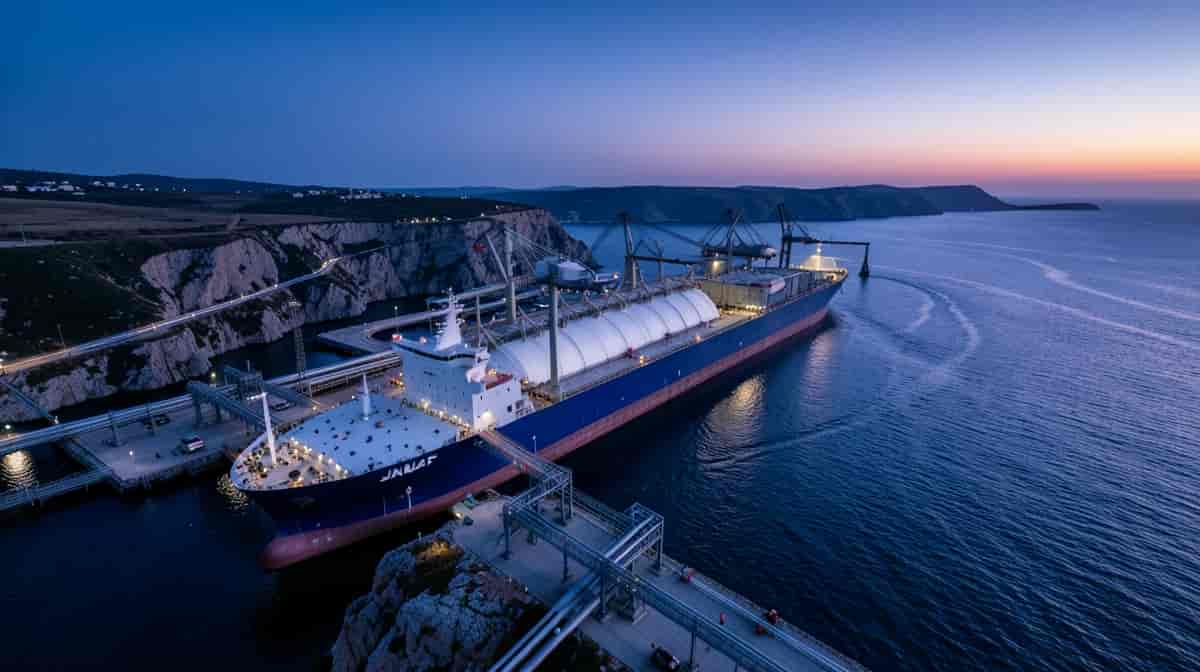
European capitals are recalibrating their energy maps as the search for reliable transit corridors moves from theoretical planning to concrete infrastructure offers. As the continent seeks to decouple from traditional suppliers, Croatia energy alternative solutions are gaining momentum on the global stage, offering a pragmatic bridge for nations aiming to bypass aging supply chains.
The Croatian government has stepped forward to formally propose the Krk liquefied natural gas (LNG) terminal and the Jadranski naftovod (JANAF) oil pipeline as vital alternative routes for countries looking to replace Russian energy supplies. This strategic move is not merely a regional adjustment; it represents a significant shift in the broader European energy market. By leveraging its unique coastal position and established inland transport networks, Croatia is positioning itself as a central hub for energy redistribution across Central and Eastern Europe.
The utilization of the Krk LNG terminal and the JANAF pipeline provides European nations with the flexibility to diversify fuel sources, effectively reducing the risk of supply shortages and strengthening continental economic independence.
Expanding Capacity at the Krk LNG Terminal
The Krk LNG terminal, located on the island of Krk, has become a cornerstone of the regional strategy to ensure energy security. As Europe continues to seek ways to secure independent and reliable energy sources, this facility offers a gateway for non-Russian gas to enter the market. The terminal acts as a primary receiving point for liquefied natural gas, which can then be processed and distributed through existing gas networks to neighboring nations.
The strategic offer highlights Croatia's growing importance in providing flexibility. When countries have multiple options for importing gas, it inherently stabilizes regional energy distribution and offers a buffer against price predictability challenges. By offering the Krk terminal as a key entry point, Croatia provides landlocked Central European states with a viable alternative to pipeline gas that has historically been subject to geopolitical transitions.
Operational Role and Redistribution
The terminal’s primary function is the reception, storage, and regasification of liquefied natural gas. Its role in the current landscape is twofold: - It serves as a direct alternative to Eastern-sourced pipeline gas. - It facilitates the redistribution of energy to countries that lack their own coastal access, thereby integrating the region into a more resilient energy grid.
Ongoing discussions among regional partners and energy market participants are currently focusing on the operational capacity and the potential for further expansion of these routes. The goal is to ensure that the infrastructure can accommodate increased non-Russian energy flows as demand for diversification intensifies.
The Strategic Role of the JANAF Pipeline in Europe
Parallel to the gas infrastructure, the JANAF oil pipeline system is being presented as a critical alternative for oil transport. The JANAF network is an essential component of Croatia's energy proposal, designed to facilitate the movement of crude oil from the Adriatic coast to refineries across Central Europe. This infrastructure allows for the transition away from traditional oil supply routes, providing a secure channel for alternative crude supplies.
The importance of the JANAF pipeline lies in its ability to serve multiple nations simultaneously. For countries seeking Russian energy supply independence, having access to a pipeline that can handle diverse crude grades from global markets is essential for maintaining refinery operations without interruption.
Security and Price Predictability
By utilizing the JANAF pipeline, European nations gain a measure of price predictability and regional stability. The ability to source oil from various international producers and transport it through a secure, regulated Croatian network reduces the vulnerability of these economies to supply-side shocks. This infrastructure is a key pillar in the effort to strengthen economic independence across the continent.
The Geopolitical and Political Dimension
Croatia is strategically positioning itself as a vital energy hub in Central and Southeast Europe. This move is deeply rooted in the strategic necessity to diversify energy supply chains away from Russian hydrocarbons and secure reliable alternative transit routes. By offering these facilities, Croatia is leveraging its domestic infrastructure to enhance its diplomatic leverage within the European Union.
The redrawing of European energy corridors does more than just secure fuel; it shifts the geopolitical balance. Strengthening the energy security of landlocked Central European states further isolates external influence over continental energy supplies. This transition allows Croatia to play a leading role in the EU’s broader energy policy, aligning its national assets with the collective security goals of the union.
Recalibrating Regional Energy Terms
There is a secondary, often overlooked impact of this infrastructure expansion. Beyond international geopolitics, expanding regional terminal and pipeline capacities forces smaller neighboring countries to recalibrate their domestic energy pricing. As these nations look to integrate Croatian transit routes into their long-term infrastructure investments, they must align their domestic terms with Croatian transit conditions. This creates a new economic ecosystem in Southeast Europe centered on the Adriatic gateway.
Economic Angle and Infrastructure Investment
The utilization of the Krk LNG terminal and JANAF pipeline presents significant commercial opportunities for Croatia. By becoming a primary transit country, Croatia stands to generate substantial transit revenues and secure stable, long-term energy contracts for the region. This economic benefit supports the ongoing maintenance and potential scaling of the infrastructure itself.
| Key Infrastructure Asset | Primary Energy Type | Strategic Function |
|---|---|---|
| Krk LNG Terminal | Liquefied Natural Gas | Receiving and regasification of global gas imports |
| JANAF Pipeline | Crude Oil | Transporting oil to Central European refineries |
| Krk Island Facilities | Sustainability | Integration of zero-waste and energy security initiatives |
The commercial appeal of these routes is bolstered by the ongoing efforts across Europe to diversify energy sources. Officials and market participants are currently assessing how this regional infrastructure can best support shifting supply chains, ensuring that the transition to alternative suppliers is both economically viable and logistically sound.
A Shifting Landscape: The Development Timeline
The transformation of Croatia into an energy gateway has been a multi-year process involving both environmental and industrial planning. The timeline of this development shows a clear progression from local sustainability to international energy leadership.
- December 2025: Regional discussions highlighted the intersection of sustainability and energy security planning on Krk island, including zero-waste initiatives.
- November 2026: Croatia formally promoted the Krk LNG terminal and JANAF pipeline as the primary core alternatives to Russian energy supplies for the European market.
- Present: European states and regional energy authorities are evaluating infrastructural capacity and logistics to integrate these routes into broader energy independence frameworks.
Future Outlook and Expert Predictions
Analysts expect that the reliance on strategic infrastructure like the Krk LNG terminal and the JANAF pipeline will continue to grow as Europe seeks permanent diversified energy alternatives. The next 24 to 72 hours are expected to see continued diplomatic and energy sector discussions regarding the logistical frameworks needed to accommodate increased flows.
Best-Case and Worst-Case Scenarios
The expert prediction for the near future hinges on the speed of integration. In the best-case scenario, there will be a smooth integration of alternative energy supplies through Croatian infrastructure, which will significantly enhance regional energy security and permanently reduce dependency on traditional Eastern suppliers.
Conversely, the worst-case scenario involves infrastructure bottlenecks or logistical challenges that could hinder the rapid scaling of these alternative supplies. If the terminal and pipeline cannot scale quickly enough to meet the shifting demand, it could lead to temporary supply constraints in the region.
Regional Impact and Security Assessment
The move to offer Krk LNG terminal capacity and JANAF oil pipeline routes as alternatives is a direct response to the need for regional stability. European nations seeking non-Russian energy, energy market participants, and Central and Eastern European countries relying on imported oil and gas are all directly affected by these developments.
Securing these alternative routes is essential for regional stability. When infrastructure such as the Krk terminal is utilized at full capacity, it reinforces the energy independence of the entire continent. This shifts the focus from a vulnerability-based energy policy to one based on strategic diversification and cooperation.
Frequently Asked Questions
What energy alternatives is Croatia offering to replace Russian supplies?
Croatia is offering its Krk LNG terminal and the JANAF pipeline as vital alternative routes for energy supplies. These infrastructure assets aim to help diversify energy sources in the region.
Why are the Krk LNG terminal and JANAF pipeline important right now?
They provide crucial energy security and diversification options for European nations seeking to reduce their reliance on Russian energy imports. Utilizing these pathways helps stabilize regional energy distribution.
Who is affected by Croatia's offer of energy infrastructure alternatives?
European countries and regional energy markets heavily dependent on Russian imports are directly affected. These nations can leverage Croatia's infrastructure to secure alternative fuel supplies.
What happens next regarding Croatia's energy supply proposals?
European partners and neighboring countries are expected to evaluate capacity expansions and increased utilization of the Krk LNG terminal and JANAF pipeline. Discussions on securing long-term supply agreements using these routes will likely continue.
What is the background of Croatia's role in European energy transit?
Croatia has strategically positioned its coastal and inland energy transport networks, including liquefied natural gas facilities and oil pipelines, as key regional hubs. This infrastructure plays an increasingly vital role in broader European energy independence efforts.
What specific infrastructure assets are included in Croatia's energy proposal?
The specific assets highlighted are the Krk LNG terminal, which handles liquefied natural gas imports, and the JANAF pipeline network, which facilitates oil transportation. Together, they form the backbone of Croatia's capacity to offer alternative energy routes.
Conclusion
Croatia’s formal offer of the Krk LNG terminal and the JANAF pipeline marks a pivotal moment in the quest for European energy independence. By providing a verified alternative to Russian energy supplies, Croatia is transitioning from a regional player to a central pillar of European energy security. These confirmed infrastructure assets offer the necessary capacity to redistribute gas and oil to nations across Central and Eastern Europe, fostering both economic stability and diplomatic resilience. As regional partners continue to evaluate the logistical requirements for scaling these routes, the focus remains on ensuring a seamless transition to diversified supply chains. The successful integration of these Croatian assets into the broader European grid will likely define the continent's energy landscape for years to come.
Sources
- Croatia Offers Krk LNG Terminal and JANAF Pipeline as Alternatives to Russian Energy Supplies — BGNES
- In Focus: KRK Kreate — Mixdown Magazine
- KRK debuts new flagship studio monitoring line at NAMM 2026 – enter the KRK V Series Five — MusicTech
- KRK announces new V Series Five studio monitors — DJ Mag
- Krk’s journey to zero waste — Zero Waste Europe
- KRK Systems Kreate 5 Monitors — A Mix Real-World Review — Mixonline


