
Elon Musk Distances From MAGA Movement Following Recent Midterm Results
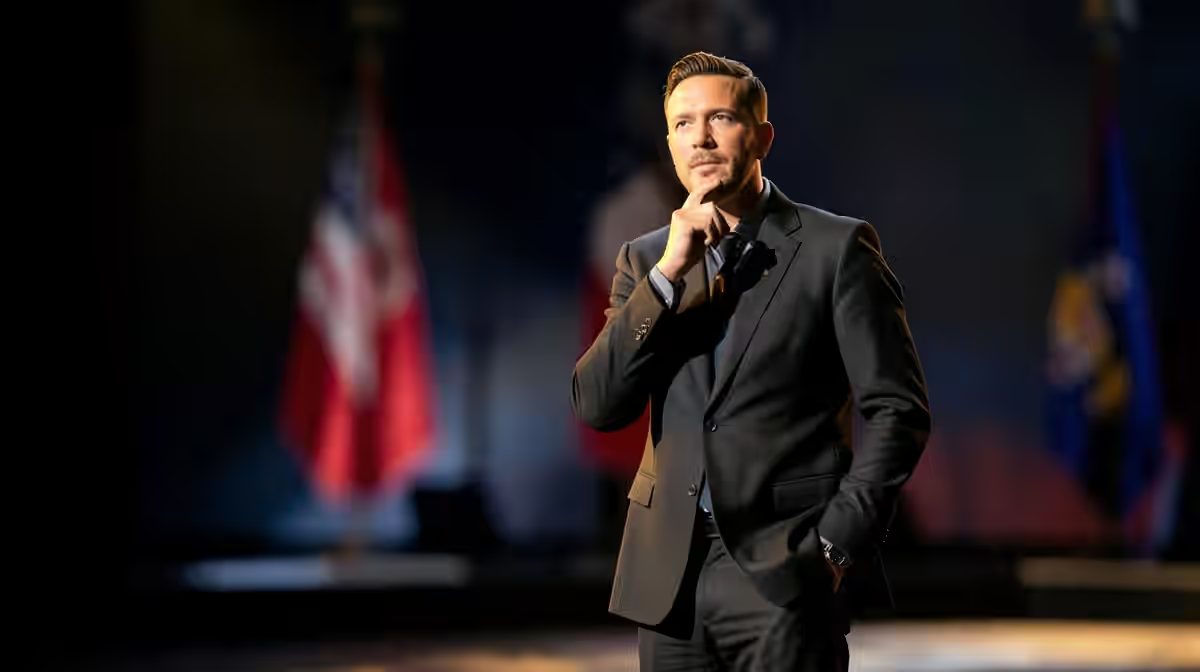
The intersection of massive private capital and high-stakes political movements often creates volatile alliances that shift with the prevailing electoral winds. Tech billionaire Elon Musk distances from MAGA in a recent public appearance, signaling a major shift in his political alignment that has left analysts and party strategists recalibrating their expectations for the coming election cycles.
The billionaire's public declaration that he is "not MAGA" follows significant financial losses in the midterms and suggests a calculated move to protect his corporate interests from hyper-partisan friction.
A Public Retraction at the DealBook Summit
The most explicit evidence of this political pivot emerged during the New York Times DealBook Summit. Addressing a room of high-profile global leaders and financial experts, Musk sought to redefine his public identity. Rather than the firebrand who had spent months echoing various conservative talking points, he presented himself as a political moderate. During the interview, he stated clearly, >I’m not MAGA.
This statement was not an isolated comment but a response to the fallout from a midterm cycle where his chosen candidates largely failed to gain the expected traction. Major news outlets including The New York Times, The Wall Street Journal, Deadline, and TechCrunch have all confirmed these remarks, noting that Musk is actively trying to shed the rigid ideological baggage of the Make America Great Again movement. This repositioning appears to be an attempt to preserve his broad influence without the constraints of a specific partisan brand.
The Financial Reckoning of the Midterms
At the heart of this distancing is a sense of financial regret. Musk admitted during his recent appearances that he feels "pretty foolish" for pouring significant "mega-bucks" into supporting losing candidates during the U.S. midterm elections. The billionaire’s frustration stems from a mismatch between his substantial financial expenditures and the actual electoral returns.
The underperformance of aligned candidates forced a strategic re-evaluation of how Musk utilizes his personal capital for political influence. When high-profile figures with massive global platforms and financial resources shift their stances, it fundamentally alters the funding landscape for future elections. Analysts suggest this is a textbook example of the transactional nature of alliances between wealthy tech leaders and political movements; when the movement ceases to provide a return on investment, the donor recalibrates.
| Event Phase | Description of Political and Financial Shift |
|---|---|
| Pre-Midterm Phase | Tech and business figures heavily fund and align with conservative midterms factions. |
| Election Outcome | Midterm results fall short of expectations, causing heavy financial and political friction for donors. |
| Post-Election Pivot | Elon Musk publicly declares "I'm not MAGA" at the DealBook Summit and expresses regret over spending. |
Strategic Realignment and the Moderate Label
By painting himself as a political moderate, Musk is attempting to step back from the intense partisan fray that defined much of the recent election cycle. This shift toward the center is viewed by political analysts as a way to maintain flexibility in a polarized environment. The root cause of this transition is identified as the strategic friction caused by the midterm results, which necessitated a new public-facing identity.
This recalibration is not merely personal; it is deeply tied to his role as a leader of companies that operate within critical infrastructure and defense supply chains. A hyper-partisan alignment can alienate global consumer bases and regulatory bodies, both of which are essential for the continued growth of his business empire. Corporate boardrooms and institutional investors have reportedly expressed concern that a rigid association with the MAGA movement could lead to sustained public relations friction and regulatory scrutiny.
The Hidden Drivers of the Pivot
Behind the public statements at the DealBook Summit lies a more calculated repositioning. This move is likely driven by the need to protect technological leadership and regulatory stability. When a corporate leader ties their personal capital too closely to polarizing partisan factions, they risk domestic political volatility impacting their business operations.
- Musk's future political donations are now expected to face heightened scrutiny.
- The G.O.P. may experience a cooling of financial and vocal backing from influential tech figures.
- Future campaign financing strategies will likely shift to prioritize more moderate or broadly appealing candidates.
Historical Parallels and Geopolitical Impacts
The current situation mirrors historical shifts in American power dynamics. Analysts draw a direct parallel between Musk’s current distancing and the tycoons of the Gilded Age. In that era, industrial leaders often publicly distanced themselves from populist movements, such as the agrarian movements, after failing to secure favorable legislative outcomes or realizing the movements no longer served their long-term economic interests.
From a geopolitical perspective, the perception of US technological leadership is at stake. Because Musk plays a central role in essential supply chains, his political volatility is seen as a potential risk factor for national regulatory stability. By moving back toward a moderate stance, he aligns his public persona more closely with the expectations of the institutional investors who provide the foundation for his global enterprises.
Predicting the Next Phase of Political Engagement
The immediate future will likely involve continued analysis and media commentary regarding Musk’s declaration. Within the next 72 hours, further public reactions from political figures within the G.O.P. and the MAGA movement are expected, as analysts evaluate the impact of this withdrawal on the party's future fundraising capabilities.
Experts predict that Musk will attempt to successfully reposition himself as a political moderate without completely alienating his existing support base. However, the worst-case scenario involves sustained backlash from both the MAGA supporters who feel abandoned and skeptical moderate groups who may view the shift as opportunistic.
- Analysts expect heightened scrutiny on Musk's future political donations.
- The G.O.P. must now look for alternative high-net-worth donors to fill the potential vacuum.
- The Republican Party faces a challenge in reconciling its hardline movement with the expectations of wealthy tech-sector donors.
Frequently Asked Questions
Why did Elon Musk distance himself from MAGA after the midterms?
Following the midterm elections, Elon Musk publicly stated 'I'm not MAGA' and expressed feeling foolish for contributing large sums of money to candidates who ultimately lost. His comments at the DealBook Summit positioned him more as a political moderate rather than aligned with the movement.
What did Elon Musk say about his midterm campaign spending?
Elon Musk admitted that he felt 'pretty foolish' for donating mega-bucks to support losing MAGA candidates during the midterms. This financial regret contributed to his broader public re-evaluation of his political alignments.
When did Elon Musk declare he is not MAGA?
Elon Musk made the remarks clarifying his political stance in mid-November 2026, prominently covered by outlets like The New York Times, Wall Street Journal, and TechCrunch following appearances where he discussed his midterm spending.
How does Elon Musk currently define his political affiliation?
During events like the DealBook Summit, Musk painted himself as a political moderate. By explicitly stating 'I'm not MAGA,' he sought to distance his public identity from the G.O.P. faction following disappointing midterm results.
What impact does Musk's distancing have on the G.O.P. and MAGA movement?
Musk's shift highlights the friction between high-profile mega-donors and political factions following electoral losses. It signals a potential cooling of financial and vocal backing from influential tech figures toward hardline movement candidates.
Where did Elon Musk make his 'I'm not MAGA' remarks?
Elon Musk delivered these remarks during high-profile public appearances, notably at the New York Times DealBook Summit. Major financial and tech publications heavily reported on these statements as a significant shift in his political commentary.
Conclusion
Elon Musk’s public pivot from the MAGA movement marks a significant moment in the intersection of billionaire influence and American politics. By declaring himself "not MAGA" and expressing regret over his "foolish" midterm spending, Musk is attempting to recalibrate his public identity as a political moderate. This shift is likely a strategic move to insulate his business interests from the volatility of partisan politics and the fallout of electoral losses. As political analysts and the G.O.P. respond to this cooling of support, the future of Musk's political contributions remains under intense scrutiny. The coming weeks will determine whether he can successfully navigate this repositioning without facing sustained backlash from the very factions he once heavily financed.
Sources
- Elon Musk Feels “Pretty Foolish” For Donating Mega-Bucks To Losing MAGA In Midterms — Deadline
- How Anakin Skywalker became MAGA's unlikely hero — Axios
- ‘I’m Not MAGA’: Musk Distances Himself From G.O.P. After Midterms — The New York Times
- Elon Musk says: ‘I’m not MAGA’ — TechCrunch
- Elon Musk Feels Foolish for Midterms Spending, Says ‘I’m Not MAGA’ — WSJ
- DealBook Summit: Elon Musk Paints Himself as Political Moderate, Says He Is ‘Not MAGA’ — The New York Times


