
Mississippi Senate Election 2026 Results Trigger Shift in Power
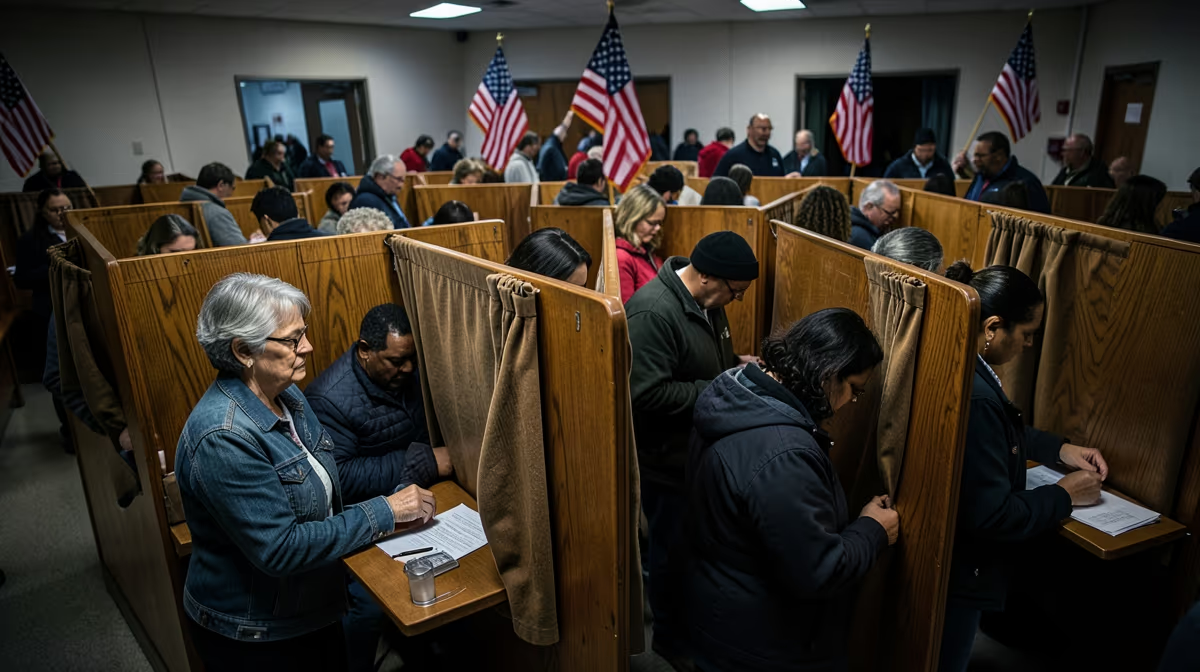
A traditionally predictable southern battleground has suddenly transformed into one of the most intense flashpoints of the American midterm cycle. The Mississippi Senate election 2026 is capturing intense national scrutiny as live vote counting reveals an unexpectedly tight contest that challenges longstanding political assumptions about the Deep South.
The unexpected competitiveness of the Mississippi U.S. Senate race between incumbent Cindy Hyde-Smith and challenger Scott Colom comes as Democrats secure a nationwide Senate majority during the 2026 midterms.
Key Contenders and Unexpected Midterm Vote Dynamics
The high-stakes battle for Mississippi’s U.S. Senate seat features incumbent Republican Senator Cindy Hyde-Smith facing off against Democratic challenger Scott Colom. As election night extended into ongoing tallying on November 5, 2026, live vote tracking monitored by major outlets, including The New York Times and AP News, revealed a far tighter race than political observers initially anticipated.
In a state historically viewed as a conservative stronghold, Democratic candidate Scott Colom has defied traditional odds by pulling further ahead in parts of the vote tally, according to reporting from The Washington Post. Election authorities across Mississippi's precincts continue to process incoming ballots, leaving both campaigns in a state of heightened vigil as the final margin remains to be finalized.
Early vote tallies indicate that Scott Colom has mounted a competitive challenge against incumbent Cindy Hyde-Smith, reflecting changing electoral dynamics in Mississippi.
This fierce state-level contest is unfolding alongside major national shifts. Across the country, the 2026 midterm results have altered the balance of power in Washington, with NBC News confirming that Democrats have won the overall majority in the U.S. Senate.
| Date | Electoral Event |
|---|---|
| November 4, 2026 | Midterm elections held nationwide with initial returns showing tight contests in southern Senate races. |
| November 5, 2026 | Live vote tallies show Scott Colom defying expectations in Mississippi while Democrats secure the U.S. Senate majority nationally. |
| Post-Election 2026 | Ongoing processing of remaining precinct tallies and state-level voter shift analysis. |
How the Mississippi Ballot Count Fits Into National Senate Shifts
U.S. midterm elections occur halfway through a president's four-year term, offering voters the opportunity to determine the composition of Congress. Because U.S. Senators serve six-year staggered terms, only a portion of the Senate is up for election during any given midterm cycle. Consequently, every individual state contest carries profound weight in determining which party commands the majority.
The competitive nature of the Mississippi Senate race underscores how state-level turnout can directly influence broader governance in Washington. Control of the U.S. Senate dictates the legislative agenda, the confirmation of executive branch nominees, and the approval of judicial appointments.
Congressional Leadership and Cross-Party Dynamics
As vote counts are finalized, parallel leadership developments are taking shape in the U.S. House of Representatives. ABC News reported that House Minority Leader Hakeem Jeffries has officially launched his bid to become the first Black speaker of the House, signaling major structural transitions across the Capitol.
Concurrently, shifting political figures are assessing how to navigate a realigned Congress. In an interview with CNBC, former President Donald Trump stated that he can work with Democrats on "many more things than people understand," hinting at potential areas of cross-party negotiation as Washington prepares for a newly divided or shifted legislative framework.
Demographic Shifts and Local Grassroots Realignment
Analytical assessments of the Mississippi race suggest that structural factors are reshaping the political landscape. Shifting demographic patterns and evolving voter coalitions in the American South have introduced unexpected competitiveness into historically safe Republican seats during the 2026 midterm elections.
- Local grassroots organizing efforts have quietly expanded voter engagement across rural and urban communities alike.
- Evolving suburban turnout patterns in southern states are altering vote distribution faster than many national party strategists previously calculated.
- Economic considerations at the state level are motivating voters to re-examine traditional party affiliations.
Historical Parallels in Midterm Politics
Political analysts point to historical precedents where broader economic conditions and regional shifts converged to disrupt expected political outcomes. The 1982 midterm elections similarly demonstrated how economic discontent and changing regional voter behavior produced unexpected congressional upsets during a sitting president's term. The 2026 performance of Scott Colom against incumbent Cindy Hyde-Smith highlights how regional vulnerabilities can emerge even within long-standing political strongholds.
Economic and Legislative Fallout for Mississippi and Washington
The outcome of the Mississippi U.S. Senate contest bears direct economic consequences for both the state and the nation. Senate leadership plays a decisive role in directing federal resource allocation, determining legislative priorities for business and labor sectors, and approving regional infrastructure funding.
- Federal Resource Allocation: Senate majorities govern how federal grants and infrastructure funding are distributed to individual states like Mississippi.
- Legislative Priorities: The balance of power dictates which economic bills—ranging from tax policy to labor regulations—reach the Senate floor for a vote.
- Judicial and Executive Confirmations: A party holding the Senate majority controls the confirmation timeline for federal judges and cabinet officials who shape regulatory environments.
Geopolitical Implications and Bipartisan Realities
Beyond domestic governance, the balance of power in the U.S. Senate directly affects international affairs and foreign policy execution. The Senate holds constitutional responsibility for ratifying treaties, confirming diplomatic appointments, and authorizing defense spending.
Domestic political realignment and shifting congressional majorities influence how international allies and foreign powers perceive American governance stability. A tight partisan balance in Congress requires incoming leaders to navigate delicate foreign policy consensus, reinforcing the broader global impact of individual state contests such as Mississippi's.
The 24 to 72 Hour Outlook: Processing Final Tallies
With election authorities actively tallying ballots, the immediate timeline focuses on transparency and complete ballot processing across all precincts.
Next 24 Hours
Continued live vote tallying and precinct reporting will proceed throughout Mississippi. Election officials are focused on processing remaining mail-in and provisional ballots, while national news outlets continue updating state and federal totals.
Next 72 Hours
As tight margins are processed, vote counts will move toward finalization. Political analysts expect heightened scrutiny and potentially delayed final calls across closely contested Senate races.
- Best-Case Scenario: A smooth and transparent tabulation of all remaining ballots, culminating in a clear and undisputed outcome accepted by both campaigns.
- Worst-Case Scenario: Prolonged electoral uncertainty, potential requests for recounts, and heightened partisan friction arising from a surprisingly competitive vote tally.
Frequently Asked Questions
Who are the main candidates in the Mississippi U.S. Senate 2026 midterm election?
The Mississippi U.S. Senate race features a closely watched matchup between incumbent Senator Cindy Hyde-Smith and Democratic challenger Scott Colom. Live election results from major outlets like The New York Times and AP News are tracking the progress of this contest.
What is happening with the vote tally in the Mississippi Senate race?
Democratic candidate Scott Colom has defied initial odds by pulling further ahead in parts of the vote tally, according to reports from The Washington Post. Election officials continue to process live results as the race remains competitive.
Why is the Mississippi Senate election important in the 2026 midterms?
This race is a critical component of the broader 2026 midterm elections, which include high-stakes battles for control of Congress. Broader nationwide results have already indicated shifts, with NBC News reporting that Democrats have won a majority in the U.S. Senate.
Who is affected by the outcome of the Mississippi U.S. Senate election?
The voters of Mississippi are directly affected as their Senate representation hangs in the balance between the Republican incumbent and the Democratic challenger. Furthermore, the national balance of power in Washington is impacted by every individual Senate seat.
What happens next as the Mississippi election results are finalized?
Election authorities will continue counting remaining ballots until all votes are securely processed and certified. Following certification, the winning candidate will prepare to represent Mississippi in the upcoming congressional term.
What broader political developments are occurring alongside the Mississippi Senate race?
Alongside the Senate races, other major midterm developments are unfolding nationwide, such as House Minority Leader Hakeem Jeffries launching a bid to become the first Black speaker of the House. Meanwhile, political leaders are already contemplating potential legislative cooperation across party lines.
Conclusion
The 2026 Mississippi U.S. Senate election stands as a pivotal moment in the current midterm cycle. Verified developments show a competitive contest between incumbent Cindy Hyde-Smith and challenger Scott Colom, unfolding against the backdrop of Democrats securing the U.S. Senate majority nationally. As election workers finalize the processing of remaining ballots, the realistic next steps involve precise ballot certification, resolution of tight precinct margins, and preparation for the upcoming legislative session in Washington.
Sources
- Mississippi U.S. Senate 2026: Live Midterm Election Results, Hyde-Smith vs. Colom — The New York Times
- Mississippi U.S. Senate Election Live Results 2026 — AP News
- U.S. Senate Election 2026 Live Results: Democrats Win Majority — NBC News
- Election 2026 live results: Hakeem Jeffries officially launches bid to be 1st Black speaker of the House — ABC News - Breaking News, Latest News and Videos
- Trump tells CNBC he can work with Dems on ‘many more things than people understand’ — CNBC
- Mississippi Democrat Scott Colom defies odds, pulls further ahead in vote tally — The Washington Post


