
Morocco FIFA Ranking Reaches Milestone That Changes World Football
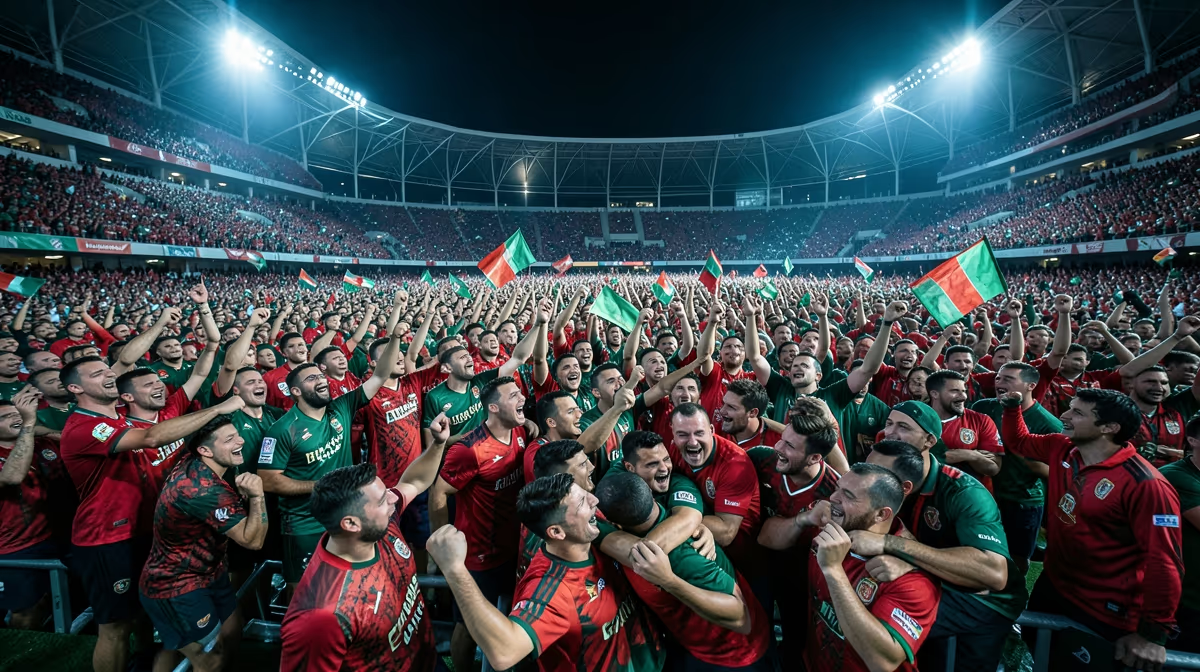
For decades, the highest echelon of international athletic standings was widely regarded as an exclusive domain reserved for traditional European and South American powerhouses. That long-standing dynamic has now shifted, as the latest Morocco FIFA ranking officially places the national team within the top five men's teams in the world, achieving a historic milestone for regional sport.
Morocco has made international football history by becoming the first Arab nation to break into the top five of the FIFA men's rankings.
Breaking Global Boundaries in International Sports
The official announcement marks a historic chapter for sports across the region, confirming that the North African nation has broken into the top five of the global standings. Reaching this elite tier represents the first time an Arab nation has ever achieved a top-five placement in the official men's standings, cementing a major shift in the traditional hierarchy of international sport.
The global ranking system tracks the relative strength of national association teams worldwide, evaluating performance based on game outcomes over extended periods. Morocco's climb to the top five follows sustained competitive success against elite global opponents, building directly upon their historic World Cup semi-final appearance and subsequent international match performances.
Reaching the top five of the global rankings elevates the profile of Arab and African sports, shifting traditional power dynamics in international football.
By securing a position among the global top five, Morocco has set a new benchmark for African football excellence and regional athletic development. The milestone reflects not only recent match outcomes but also a long-term trajectory of competitive consistency on the international stage.
The Structural Foundation of the Ascent
The national team's entry into the top five is not an isolated event, but rather the structural outcome of methodical organizational planning. Technical analysis indicates that the primary driver behind this rise is a combination of sustained institutional investments.
- Long-term development of state-of-the-art youth athletic academies
- Recruitment of high-caliber professional coaching staff
- Strategic integration of elite talent from the nation's global diaspora
This structured approach has allowed the national federation to systematically cultivate high-performance standards, matching the physical and tactical demands of traditional international powerhouses.
| Development Phase | Strategic Focus Area | Operational Objective |
|---|---|---|
| Institutional Infrastructure | Youth Academies | Cultivating domestic talent through specialized training centers |
| Technical Leadership | Professional Coaching | Implementing high-level tactical and physical preparation |
| Global Integration | Diaspora Scouting | Systematically integrating high-performing dual-national athletes |
This strategic framework established a sustainable pipeline of high-level talent, enabling the national squad to consistently collect ranking points through official international fixtures and major tournament campaigns.
Geopolitical Soft Power and Commercial Implications
Beyond athletic standings, Morocco's entry into the top five serves as a strategic soft-power asset for the state. The historic achievement reinforces national prestige while enhancing diplomatic positioning across both the Arab world and the African continent.
From an economic perspective, attaining an elite international rank generates substantial commercial momentum. The elevated profile enhances global attractiveness across multiple sectors:
- Amplified sports tourism and international visitor engagement
- Increased commercial sponsorship and global merchandise revenues
- Positioning the nation as a premier host hub for major international athletic events
- Accelerated capital investment into regional sports infrastructure
Geopolitically, Morocco occupies a unique position as a cultural and geographical bridge linking Africa, the Middle East, and Europe. This breakthrough in the global rankings amplifies the nation's diplomatic clout and cultural influence, solidifying its standing as a prominent representative of the Global South within international athletic governing bodies.
Talent Paradigms and Continental Precedents
An underlying development stemming from Morocco's rapid ascent is the shifting landscape of international talent recruitment. The national team's success is expected to accelerate regulatory competition between European and African federations for dual-national youth players, fundamentally altering global scouting paradigms.
This trajectory draws clear historical parallels to Senegal's breakthrough run to the 2002 World Cup quarter-finals. Senegal's success triggered a comprehensive modernization of national sports infrastructure, transforming the country into a permanent continental powerhouse. Analysts view Morocco's current milestone as a similar catalyst, but on an expanded global scale.
The ability to successfully integrate diaspora talent while modernizing domestic infrastructure provides a functional operational blueprint for other athletic federations across the Global South aiming to challenge established international hierarchies.
Immediate Outlook and Regional Expectations
In the immediate wake of the official ranking update, international coverage and regional analysis are expected to focus heavily on the diplomatic and structural implications of the milestone. Over the next 24 to 72 hours, international sports media and governing bodies will continue assessing how Morocco's elevated status influences upcoming tournament preparations and international sports diplomacy.
Key players monitoring these developments include:
- The Moroccan national football team and technical staff
- FIFA officials and ranking administrators
- Regional Arab football federations
- International sports media networks
Expert assessments suggest that this achievement will prompt increased investment in youth infrastructure and high-performance talent programs across neighboring Arab and African nations.
In a best-case scenario, Morocco sustains its high competitive standard through upcoming international windows, further cementing its position and inspiring broader infrastructure modernization across the region. Conversely, a potential worst-case scenario involves heightened competitive pressure and elevated public expectations, which could impact squad performance in upcoming fixtures and lead to potential fluctuations in future ranking updates.
Frequently Asked Questions
What milestone did Morocco achieve in the FIFA men's rankings?
Morocco officially became the first Arab nation to break into FIFA's top five men's rankings. This historic achievement reflects the national team's continuous growth and success on the international stage.
Why is Morocco entering the FIFA top five so significant?
This milestone marks a historic shift in global football, showcasing the rising competitiveness of Arab and African nations at the highest level. It elevates the profile of football development across the region.
Who is affected by Morocco's rise in the FIFA rankings?
The achievement primarily impacts the Moroccan national football team, boosting their global standing and confidence moving forward. It also inspires football associations and young players across the Arab world.
What happens next for the Moroccan national team?
Following this ranking breakthrough, Morocco will look to maintain its high performance in upcoming international fixtures and major tournaments. The team aims to cement its status among the footballing elite.
What is the background behind Morocco's football success?
Morocco's ascent to the top five comes on the heels of impressive performances in recent major international competitions, including historic runs in global tournaments. Sustained investment in youth academies and tactical discipline has fueled this progress.
How does this ranking impact Arab representation in global football?
By securing a spot in the top five, Morocco sets a new benchmark for Arab football federations globally. It proves that nations from the region can consistently compete with traditional powerhouses in world football.
Conclusion
Morocco's landmark entry into the FIFA top five men's rankings represents a structural breakthrough for Arab and African international sport. Verified match outcomes, continuous investment in training infrastructure, and effective talent integration have combined to challenge long-standing international hierarchies. Moving forward, the national federation faces the task of sustaining this competitive standard in upcoming international fixtures, while regional governing bodies assess the broader blueprint for sports development and infrastructure investment.
Sources
- TSN 690 has your FIFA World Cup Qatar 2022™ coverage! — UB - Universitat de Barcelona
- Morocco becomes first Arab nation in FIFA’s top five men’s rankings — Al Jazeera
- The 64-team World Cup and who owns football’s biggest tournament — Yahoo Sports
- World Cup ticket refund delays leave fans waiting months. He’s been waiting 158 days. — NJ.com
- Under 17 World Cup stadiums: Where is the 2026 tournament being played? — Football Ground Guide
- FIFA U-17 World Cup - Know your team: Uzbekistan — The AFC


