
Russian Cyber Operations Target High-Value Figures in New Data
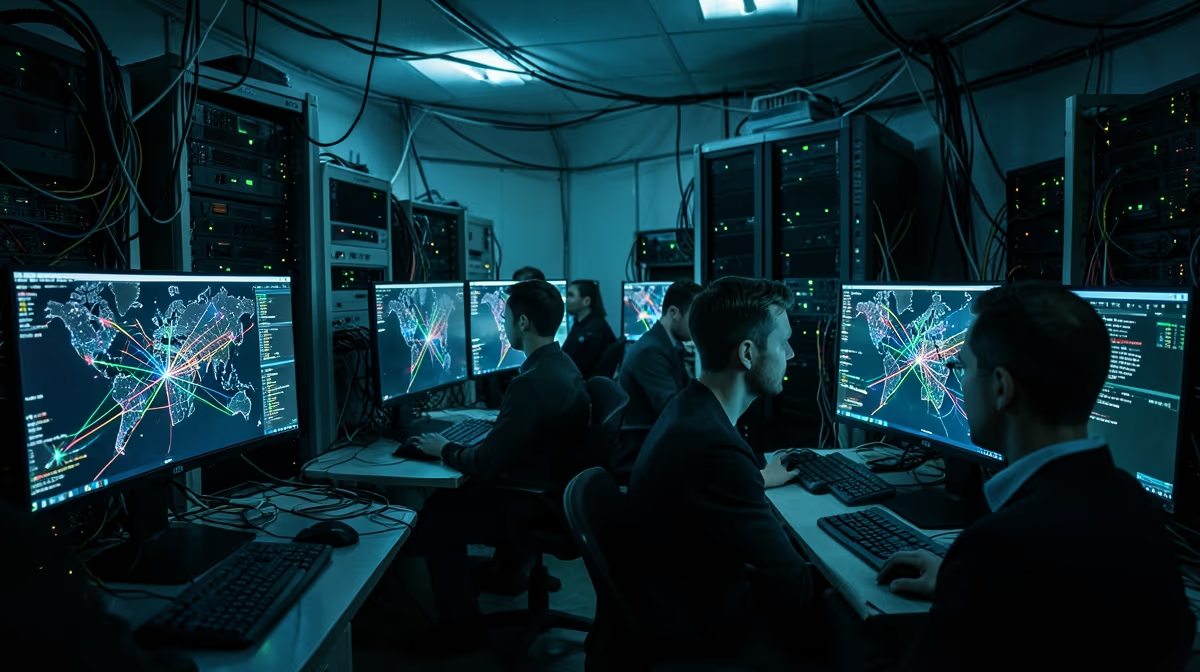
Digital surveillance mechanisms have shifted into modular operational units designed for surgical accuracy across complex global networks. Detailed analysis published by Google Cloud security reveals how Russia targets cyber operations through segmented structural clusters against high-profile individuals of strategic interest. These specialized campaigns bypass standard network defenses by compartmentalizing malicious activities, allowing threat actors to monitor, influence, and systematically collect intelligence on designated targets. Understanding how Google Cloud security tracks Russian threat actors provides critical visibility into how state-aligned adversaries adapt modern digital tools for persistent cyber operations.
Distinct cyber clusters leverage compartmentalized infrastructure to execute targeted surveillance and intelligence gathering against high-value individuals of strategic interest.
Uncovering Distinct Cyber Clusters and Targeting Methods
Security analyses point toward organized, distinct cyber clusters focusing specifically on individuals of interest to Russia. Rather than relying on monolithic intrusion frameworks, state-aligned operators segment their campaigns into distinct operational units. This compartmentalization obscures the broader architecture of malicious campaigns, complicating vulnerability assessment efforts and defensive tracking by intelligence analysts.
High-profile targets—including political dissidents, journalists, policymakers, and researchers—face growing exposure to these distinct cyber clusters targeting individuals of interest. By tailoring intrusion vectors to specific individuals, malicious actors bypass routine organizational security controls and reduce the likelihood of early discovery.
| Campaign Metric | Analytical Detail |
|---|---|
| Primary Target Profile | High-profile individuals, dissidents, journalists, policymakers, and researchers |
| Operational Structure | Compartmentalized, distinct threat actor clusters utilizing specialized digital workflows |
| Core Objective | Persistent surveillance, intelligence collection, and strategic influence operations |
| Observed Timeline Focus | Documentation initiated in August 2026 with ongoing technological adaptation |
The Evolving Dynamics of Targeted Digital Espionage
Modular Infrastructure and Technical Vectors
The mechanics behind these distinct cyber clusters demonstrate an evolving operational paradigm. State sponsored hackers continuously refine their tactics, techniques, and procedures to maintain persistence while minimizing structural exposure. Research indicates that the root cause of this operational shift stems from the strategic exploitation of digital workflows and cyber capabilities by distinct threat actor clusters to conduct targeted espionage and influence operations against individuals of interest to Russian state objectives.
A critical hidden angle identified in recent threat intelligence updates is the convergence of mainstream commercial productivity tools and state-backed cyber campaigns. Threat actors increasingly leverage benign technological infrastructures and digital flow mechanisms to mask malicious activities. By embedding operational elements within legitimate digital tools, adversary groups introduce significant complexity into defensive mitigation and operational attribution.
The convergence of mainstream commercial productivity tools and state-backed cyber campaigns allows threat actors to mask malicious operations behind benign technology infrastructures.
Geopolitical Pressures and Grey-Zone Digital Warfare
State-sponsored digital surveillance and targeted influence operations have become a permanent structural component of modern international relations. These campaigns highlight the expanding reach of grey-zone warfare, where distinct clusters of threat actors utilize advanced technical vectors to project influence, gather intelligence, and shape strategic outcomes across international borders without crossing conventional military thresholds.
This modern cyber activity reflects a clear historical parallel to Cold War-era intelligence operations involving targeted recruitment and surveillance of individuals of strategic interest, translated directly into the contemporary digital domain.
From a diplomatic standpoint, the intensification of state-sponsored cyber operations targeting political dissidents, journalists, and strategic individuals creates intense diplomatic pressure. As state-aligned groups weaponize tailored cyberattacks against high-profile targets, foreign governments are forced to re-evaluate their national cybersecurity frameworks and defensive postures against persistent foreign interference.
Economic Consequences and Technological Exploitation
The economic impact of targeted espionage extends far beyond the immediate targets. Targeted campaigns inflict substantial economic costs on organizations and individuals through intellectual property theft, operational disruption, and the mandatory redirection of financial capital toward defense mechanisms and threat intelligence updates.
Organizations supporting or employing targeted individuals must allocate substantial resources toward neutralizing ongoing digital threats and verifying technical infrastructure integrity. State-aligned threat groups systematically leverage specialized digital infrastructure to engage with and monitor targeted persons abroad, relying on several core operational characteristics:
- Compartmentalization of campaign phases across distinct threat actor clusters to prevent total infrastructure exposure if one vector is identified.
- Customization of malicious delivery vectors tailored to high-profile individuals of strategic interest to Russian state objectives.
- Integration of state-backed targeting capabilities within benign commercial technological environments to blend operational traffic with everyday workflows.
- Prioritization of persistent intelligence collection and long-term surveillance over immediate destructive cyberattacks.
Strategic Timeline and Predictive Defensive Posture
Tracking the evolution of these operations reveals a distinct progression in how technical infrastructure is deployed and adapted across the threat landscape:
- August 2026: Identification and public documentation of distinct clusters targeting individuals of interest to Russia were detailed in Google Cloud security reporting.
- September 2026: Broad technological integration and adaptation of digital flow mechanisms were documented across threat intelligence reports.
- Current Phase: Ongoing analysis continues regarding sophisticated cyber espionage campaigns and their long-term implications for geopolitical security.
Looking at immediate future developments, security researchers and cyber intelligence analysts are expected to focus heavily over the next 24 hours on analyzing the newly revealed clusters targeting individuals of interest to Russia, with primary emphasis on dissecting their tactics, techniques, and procedures. Over the next 72 hours, cybersecurity agencies and affected organizations are expected to issue technical advisories and updated indicators of compromise related to these distinct threat clusters.
Analytic predictions suggest that entities and individuals identified as potential targets will implement immediate defensive posture adjustments and heightened monitoring routines to detect hidden intrusion vectors.
| Scenario | Anticipated Security Outcome |
|---|---|
| Best-Case Outcome | Timely identification and exposure allow targeted individuals and organizations to implement robust mitigations before any significant compromise occurs. |
| Worst-Case Outcome | Threat clusters successfully leverage sophisticated vectors against high-value targets, resulting in widespread data exposure or persistent intelligence collection. |
Security Assessment and Vulnerability Mitigation
Dissecting the architecture of these targeting clusters remains a top priority for security researchers, intelligence analysts, and technology strategists. The primary entities involved across this security landscape include targeted individuals, cyber security researchers, and digital intelligence analysts monitoring threats across digital intelligence and geopolitical security sectors.
While the exact identities of all targeted individuals, the full operational scope of the campaigns, and specific technical attribution details remain under observation, early threat disclosure provides critical defensive advantages. Rigorous vulnerability assessment protocols and technical intelligence sharing allow defenders to identify infrastructure indicators, disrupt malicious campaigns, and mitigate exposure risks before adversary clusters establish persistent persistence inside sensitive systems.
Frequently Asked Questions
What is the focus of the report Going with the Flow(s): Distinct Clusters Target Individuals of Interest to Russia?
The report highlights how distinct clusters of activity and targeted operations are being used to focus on individuals of specific interest to Russia. It outlines the methodologies behind these campaigns and how threat actors organize their efforts.
Why do these targeted clusters matter for cybersecurity?
These campaigns matter because they represent sophisticated, organized efforts to compromise high-value targets. Understanding their structure helps security researchers anticipate future threats and better protect vulnerable individuals.
Who is affected by these distinct targeting clusters?
The individuals primarily affected are high-profile persons, dissidents, journalists, or officials who fall under the specific interest of Russian intelligence or aligned entities. These tailored operations often use unique vectors to bypass standard security measures.
What happens next in the mitigation of these campaigns?
Security analysts and cloud platforms will likely continue monitoring these specific clusters to disrupt infrastructure before attacks occur. Enhanced intelligence sharing among defenders is expected to play a critical role in future countermeasures.
What is the background behind these targeted digital operations?
State-sponsored and aligned threat groups have increasingly relied on segmented, specialized clusters to conduct surveillance and influence operations. This modular approach allows operators to adapt quickly while minimizing the exposure of their broader infrastructure.
What specific detail is revealed about how these clusters operate?
The research highlights that these campaigns do not rely on a single uniform method, but rather utilize distinct, compartmentalized clusters. This division helps attackers isolate different phases of their operations against individuals of interest.
Conclusion
Verified findings confirm that state-aligned digital campaigns are increasingly utilizing distinct structural clusters to target high-profile individuals of strategic interest to Russia. By compartmentalizing operational vectors and blending malicious traffic with legitimate digital mechanisms, these threat groups attempt to sustain persistence while avoiding detection. As threat intelligence tracking reveals the mechanics of these distinct clusters, proactive vulnerability mitigation, defensive posture adjustments, and rapid advisory sharing remain essential to protecting vulnerable individuals and securing critical strategic intelligence networks worldwide.
Sources
- 5 new Google Flow Tools designed by visual artists — blog.google
- Claim your Google Cloud Credits in Google AI Studio — blog.google
- Going with the Flow(s): Distinct Clusters Target Individuals of Interest to Russia — Google Cloud
- Can Google Flow Really Turn Your Prompts Into Movie Magic? I Had to Find Out — PCMag
- New Google Flow build now points to Nano Banana 2.1 — TestingCatalog AI News
- What Is Google Flow? AI Video Tool Guide — Simplilearn.com


