
Myanmar Rohingya Genocide Case UN Ruling Shifts The Legal Landscape
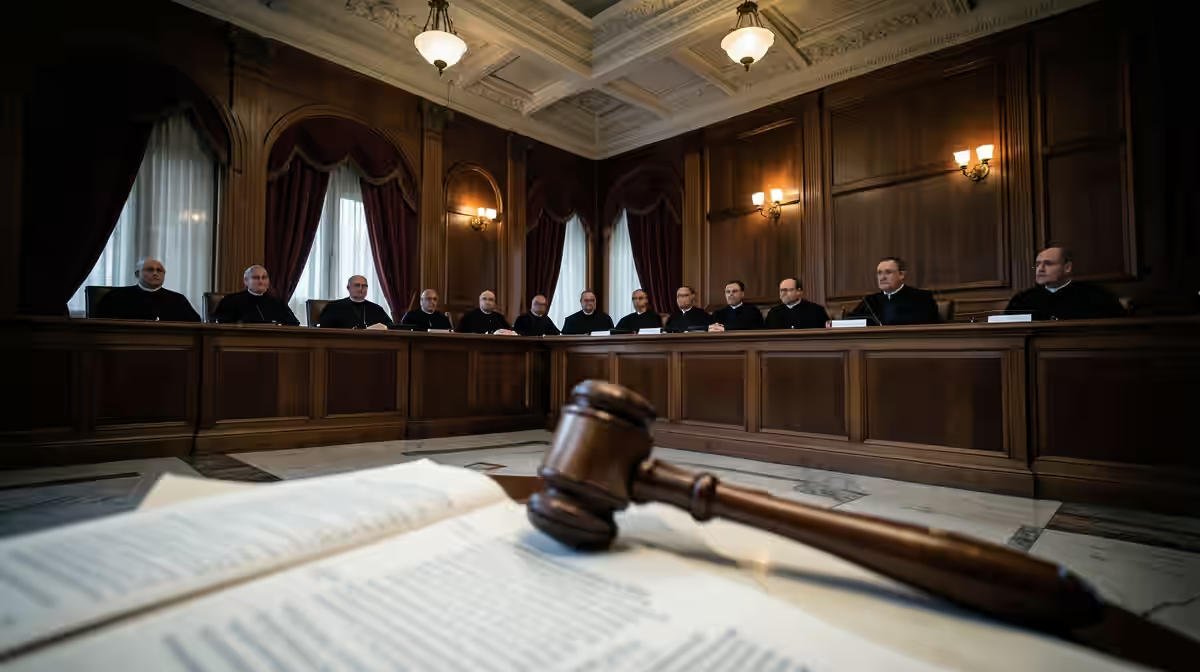
The international community is closely monitoring the latest Myanmar Rohingya genocide UN court ruling as judges deliver their verdict. This judicial determination marks a historic turning point in the pursuit of justice for one of the most persecuted minorities on the planet. For the Rohingya survivors who have endured decades of systemic violence, the decision by the United Nations' highest court represents a vital sense of official recognition and a rare victory in the halls of international law.
The International Court of Justice has officially ruled that Myanmar is responsible for committing genocide against the Rohingya minority, finding that military forces killed thousands and engaged in a systematic campaign of physical destruction.
The Judicial Determination: A Landmark in International Law
In a ruling delivered on Thursday, November 19, 2026, the International Court of Justice (ICJ) found the state of Myanmar responsible for violating the Genocide Convention. The World Court's comprehensive judicial findings detail how security forces killed thousands of Rohingya and subjected the Muslim minority to acts specifically calculated to bring about their physical destruction. This formal verdict establishes state responsibility under international humanitarian law, setting a powerful global precedent for accountability.
The court's decision specifically highlighted the extensive abuses committed by security forces during military crackdowns. These findings go beyond mere accusations, as the judicial body has now validated that these atrocities were not collateral damage of conflict but a deliberate attempt to destroy a community. While international courts often face significant hurdles in the direct enforcement of their decisions, this formal judgment provides the moral and legal validation that victims have sought for years.
Historical Context of the Rohingya Crisis
The Rohingya are a predominantly Muslim ethnic minority in Myanmar who have faced systemic discrimination and statelessness for several decades. Long denied citizenship and basic rights, they have been the target of major military crackdowns that escalated in recent years. These violent campaigns forced hundreds of thousands to flee across the border into Bangladesh, creating one of the world's most severe refugee crises.
The background of the case is rooted in long-standing allegations of state-sponsored violence. International bodies and human rights organizations, such as Amnesty International and Human Rights Watch, have documented these abuses extensively leading up to the recent ruling. The specific events that triggered the legal action involved brutal military operations aimed at the forced displacement and destruction of the Rohingya population, eventually prompting the landmark genocide case at the UN court.
Timeline of the International Accountability Case
The path to this verdict has been a years-long process involving international advocacy and rigorous legal proceedings.
| Phase | Development |
|---|---|
| Initial Crackdown | Myanmar military launches a brutal campaign forcing hundreds of thousands of Rohingya to flee to Bangladesh. |
| Legal Filing | The Gambia files a landmark genocide case against Myanmar at the International Court of Justice. |
| Judicial Documentation | Human Rights Watch and Amnesty International document ongoing legal proceedings and evidence of atrocities. |
| Formal Ruling | The UN World Court formally rules that Myanmar is responsible for committing genocide against the Rohingya. |
Geopolitical and Diplomatic Repercussions
The ICJ ruling creates profound legal and diplomatic ripples across the globe. One of the most significant hidden angles of this decision is the pressure it places on regional blocs like ASEAN. Traditionally, ASEAN has maintained a strict policy of "non-interference" regarding the internal affairs of its member states. However, this formal genocide determination may force the bloc to rethink its stance, potentially opening channels for alternative diplomatic interventions that were previously off-limits.
Beyond Southeast Asia, the ruling is already influencing ongoing international court proceedings regarding other global conflicts. Specifically, the decision is raising new legal challenges for Israel by setting a concrete precedent on how genocide determinations are handled in international jurisprudence. Legal scholars are closely analyzing how the findings in the Myanmar case might shape the arguments and defenses used in other high-profile human rights disputes currently before global courts.
Political and Economic Fallout
The ruling places intense international pressure on Myanmar's ruling military junta, compounding a legitimacy crisis that has worsened amid ongoing civil conflict within the country. As the World Court finds the state responsible for genocide, the junta faces further isolation from Western financial systems. This judicial outcome is expected to lead to:
- Heightened international pressure on Myanmar's leadership and military commanders.
- The potential tightening of sanctions on state-linked enterprises and military-controlled businesses.
- Increased compliance scrutiny for multinational corporations still operating within Myanmar.
- A renewed push for enforcement mechanisms at the United Nations Security Council level.
Analysts suggest that the political dimension of this ruling tests the very enforcement mechanisms of international tribunals. While the ICJ can issue a verdict, the practical implementation of accountability often depends on the willingness of the global community to impose consequences for non-compliance.
The Human Cost and Survivor Impact
For the Rohingya population, both those living in massive displacement camps in Bangladesh and the minority remaining in Myanmar, the ruling is a rare victory for justice. Human rights advocates emphasize that the official naming of state-sponsored atrocities as genocide provides a level of moral validation that cannot be understated.
This historic UN ruling that Myanmar committed genocide against the Rohingya is a rare victory for survivors.
The survivors seeking international accountability have faced a long road of frustration. By officially documenting that Myanmar forces killed thousands, the court has acknowledged the reality of the victims' experiences on a global stage. The ruling strengthens international human rights law and puts direct pressure on world leaders to address ongoing abuses rather than viewing the crisis as an internal Myanmar matter.
Future Outlook and Expert Predictions
In the next 24 hours, the world can expect continued international coverage and legal reactions as governments and international bodies digest the full implications of the UN World Court's ruling. Over the next 72 hours, diplomatic discussions are likely to increase, with human rights organizations evaluating potential secondary legal challenges and the ramifications for other international disputes.
Expert predictions indicate that this historic ICJ ruling will serve as a critical turning point for international accountability. It increases the legal pressure on Myanmar's military leadership while potentially reshaping the landscape of international humanitarian law.
Best-Case Scenario
Worst-Case Scenario
Frequently Asked Questions
What did the UN court rule regarding Myanmar and the Rohingya?
The UN's International Court of Justice ruled that Myanmar is responsible for committing genocide against the Rohingya minority. The historic decision follows years of legal proceedings regarding military crackdowns against the Muslim group.
Why is the UN court ruling on the Rohingya genocide significant?
This ruling represents a rare and major victory for Rohingya survivors seeking international accountability and justice. Human rights organizations and legal experts have praised the decision as a critical milestone for global human rights.
Who is affected by the UN court's genocide ruling?
The ruling directly impacts the hundreds of thousands of Rohingya refugees who fled targeted violence in Myanmar and now live in displacement camps, particularly in Bangladesh. It also sets a significant legal precedent for international courts dealing with atrocities worldwide.
What specific findings did the World Court make about Myanmar forces?
The World Court found that Myanmar's military forces killed thousands of Rohingya civilians and subjected the population to widespread persecution. The comprehensive judicial findings detail systematic abuses committed during the ongoing crisis.
What happens next following the ICJ ruling on Myanmar?
While the UN court ruling establishes state responsibility for genocide, survivors and advocates continue to press for further legal enforcement and accountability measures. The decision also introduces new legal challenges and scrutiny for other international territorial conflicts.
What is the background of the Rohingya genocide case at the UN court?
The case involves long-standing allegations of state-sponsored violence and systemic persecution carried out by Myanmar against the Rohingya Muslim minority. International bodies and human rights groups like Amnesty International and Human Rights Watch have documented these abuses for years leading up to the recent ruling.
Conclusion
The International Court of Justice's formal ruling that Myanmar committed genocide against the Rohingya marks a monumental shift in the landscape of international justice. By establishing state responsibility for the killing of thousands and the systematic attempt to destroy a community, the court has provided a vital legal framework for future accountability. While the challenges of enforcement remain significant—especially given the military junta's likely resistance—the ruling serves as a global precedent that reshapes international humanitarian law and diplomatic expectations. For the survivors, it is a long-awaited acknowledgment of their history and a critical milestone in the ongoing struggle for human rights. Moving forward, the international community's response will determine whether this legal victory translates into tangible changes on the ground for the Rohingya people.
Sources
- Myanmar Committed Genocide Against Rohingya, U.N. Court Rules: Live Updates — The New York Times
- ICJ ruling on Myanmar genocide raises new legal challenges for Israel — The Jerusalem Post
- Historic UN ruling that Myanmar committed genocide against Rohingya is rare victory for survivors — Amnesty International
- World Court Finds Myanmar Responsible for Rohingya Genocide — Human Rights Watch
- World Court finds Myanmar forces killed thousands of Rohingya, ruling ongoing — Reuters
- ICJ: Myanmar committed genocide against Rohingya — DW.com


