
Senate Permitting Reform Bill BAAJA Advances With Massive Implications
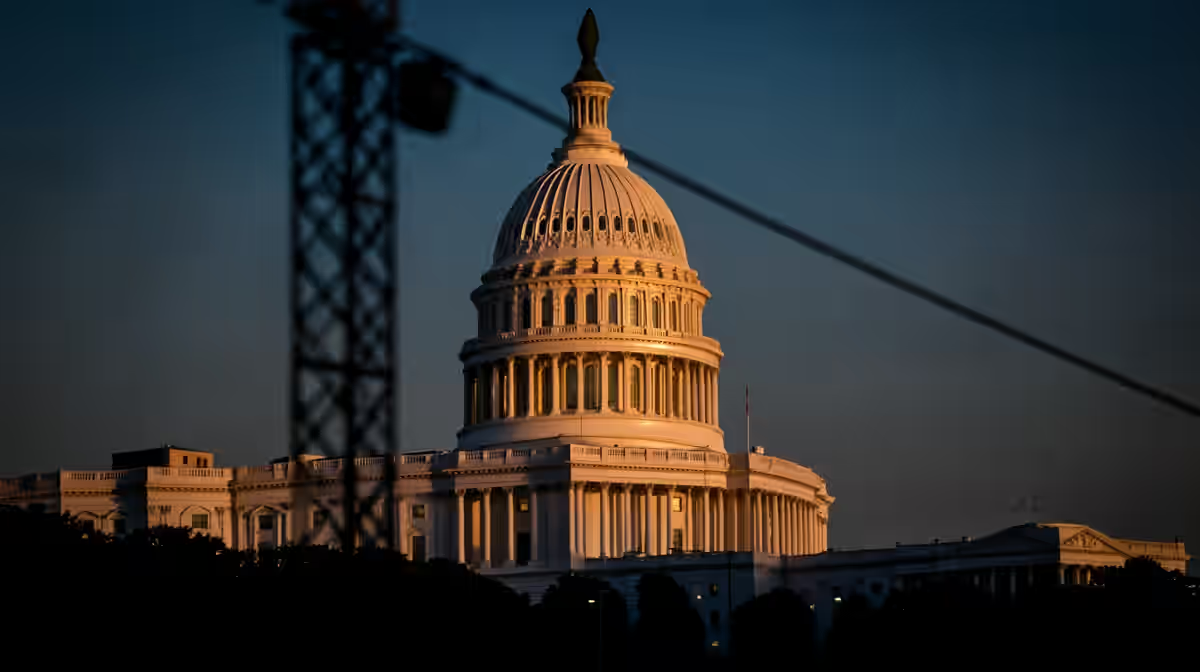
The labyrinth of federal bureaucracy governing American infrastructure is facing its most significant overhaul in decades as a specific legislative vehicle gains momentum in Washington. The US Senate has taken a major step forward by advancing a bipartisan permitting reform bill aimed at accelerating infrastructure and energy projects across the country. Known as BAAJA, this legislation represents a rare instance of cross-aisle cooperation, yet it has simultaneously ignited a firestorm of debate among environmentalists, industry leaders, and Indigenous nations.
As the Senate moves toward a potential final vote, the stakes have shifted from theoretical policy discussions to immediate concerns regarding the future of the American energy grid. While the bill promises to cut through the red tape that has long delayed critical modernization, critics argue that the speed of the proposed changes could come at the cost of environmental integrity and tribal rights. The tension between the urgent demand for technological expansion and the preservation of regulatory safeguards is now the central conflict of the BAAJA debate.
The BAAJA bill seeks to overhaul legacy approval processes to make building energy and infrastructure projects faster and more predictable, balancing the urgent demand for modern capacity against established environmental and community safeguards.
The Legislative Momentum Behind BAAJA
The progression of the BAAJA bill marks a critical juncture in the 119th Congress. Following its advancement on November 17 and 18, 2026, the Senate has signaled a clear intent to finalize the legislation before the current session concludes. Reports from The Hill and Planetizen indicate that a final vote could occur as early as this week, reflecting a sense of urgency among lawmakers to address the nation's aging infrastructure.
This legislative push has divided observers into distinct camps. Supporters argue that streamlining the permitting process is essential for building modern infrastructure quickly, particularly as the United States attempts to upgrade its energy grid. However, the advancement has been met with intense public debate and significant pushback from advocacy groups who fear the bill’s reach may be too broad and its oversight too thin.
Timeline of Critical Developments
The path to this week's Senate action was marked by several key interventions from stakeholders:
| Date | Event |
|---|---|
| November 12, 2026 | Native American Rights Fund (NARF) urges Congress to halt BAAJA over sovereignty threats. |
| November 17, 2026 | Inside Climate News reports on the "New Rules of Permitting" as the bill gains floor momentum. |
| November 18, 2026 | Senate further advances the bill; Earthjustice and Yale Climate Connections release critical impact reports. |
| Present | Stakeholders await the final Senate vote to determine the immediate fallout for energy and data center development. |
Decoding BAAJA: Policy and Infrastructure
At its core, BAAJA is designed to rewrite the rules for approving various infrastructure and energy projects. The legislation targets several high-priority areas that have historically been bogged down by the National Environmental Policy Act (NEPA) review process. By modifying how these reviews are conducted, the bill aims to shorten the timeline for project commencement.
Key Areas of Reform
- Transmission Lines: The bill focuses on expanding the energy grid to handle increased loads and inter-state power sharing.
- Energy Grid Modernization: Provisions include updates to the national grid to support the integration of new power sources.
- Infrastructure Fast-tracking: Various federal projects would see a reduction in the time required for environmental and jurisdictional sign-offs.
Proponents of the measure, including pro-development coalitions in the Senate, view these changes as a necessary correction to antiquated, gridlock-plagued federal processes. They argue that without these reforms, the United States will continue to struggle with energy transmission bottlenecks that prevent the deployment of modern energy solutions.
The Conflict Over Digital Infrastructure
One of the most contentious aspects of the BAAJA bill is its perceived impact on the digital landscape. Environmental advocacy groups, most notably Earthjustice, have raised serious alarms regarding how the bill will fast-track the buildout of data centers. Critics characterize this as a "dirty data center buildout," arguing that the energy-intensive nature of these facilities could undermine climate goals.
The root cause of this specific legislative focus is the surging energy demand of the artificial intelligence (AI) sector. As AI technology continues to expand, the infrastructure required to support it—massive data center complexes—collides with the reality of a strained power grid. By including data centers in the fast-track permitting categories, the BAAJA bill positions the digital economy as a national priority, though at a significant environmental cost according to its opponents.
Behind the debate over clean energy versus fossil fuels lies a high-stakes jurisdictional struggle over how fast-tracking energy corridors bypasses tribal consultations and localized environmental justice protections.
Tribal Sovereignty and the Sovereignty Gap
The Native American Rights Fund (NARF) has emerged as a leading voice of opposition, urging Congress to halt the legislation entirely. The primary concern cited by NARF and other Indigenous advocates is the perceived threat to tribal sovereignty. They argue that by accelerating the permitting process, the bill risks bypassing necessary government-to-government consultations.
This "sovereignty gap" is created when federal fast-tracking rules override tribal land rights and cultural protections. Critics point out that large-scale infrastructure projects, such as pipelines or transmission lines, often pass through or near tribal lands. If the BAAJA bill passes in its current form, these communities fear they will lose their ability to provide meaningful input or withhold consent for projects that directly impact their territory and resources.
The Global and Geopolitical Context
From a broader perspective, the BAAJA bill is not just a domestic policy update; it is a geopolitical maneuver. Analysts suggest that domestic infrastructure modernization directly impacts the United States' competitive edge in the global artificial intelligence and high-tech manufacturing race. The ability to build and power data centers faster than international rivals is seen by some as a matter of national security and economic dominance.
This situation draws a historical parallel to the post-Energy Policy Act of 2005, which also sought to accelerate domestic energy infrastructure and grid expansion under mounting economic pressure. Like its predecessor, BAAJA represents a response to a shifting technological landscape, though the current focus has moved from traditional fossil fuel security to the digital and electrical requirements of the 21st century.
Economic Angles and Externalities
The economic implications of the bill are twofold:
- Capital Inflow: Massive amounts of private and public capital are expected to flow into energy infrastructure and data center development if the regulatory hurdles are lowered.
- Long-term Externalities: Economists and community advocates warn of regulatory uncertainty for communities impacted by fast-tracked projects, which could lead to prolonged legal challenges and environmental degradation.
What Comes Next: The 72-Hour Outlook
As the Senate prepares for the final vote, the next 24 to 72 hours will be critical. Debate is expected to intensify as stakeholders and lawmakers weigh in on the final text. Analysts anticipate a period of intense legislative maneuvering as the Senate attempts to balance the energy demands of industry against the vocal concerns of environmental and tribal advocacy groups.
The best-case scenario for the bill's proponents would be a successful vote that addresses bipartisan priorities while incorporating enough safeguards to prevent immediate litigation. Conversely, the worst-case scenario involves the bill passing with its current perceived flaws, leading to an immediate wave of legal challenges from organizations like Earthjustice and various tribal nations, potentially stalling the very projects the bill intended to accelerate.
Frequently Asked Questions
What is the bipartisan permitting reform bill BAAJA?
BAAJA is a significant legislative package that has advanced in the Senate to streamline project approvals and reform the current energy and infrastructure permitting process. The bill aims to accelerate development across the United States, though it has drawn intense debate over its broader implications.
What happens if the BAAJA bill passes this week?
If BAAJA passes, it could drastically alter the timeline for major infrastructure and energy projects by fast-tracking approvals. Final votes are anticipated soon, which would set the stage for implementation and potentially immediate legal or political challenges.
Why is BAAJA controversial regarding data centers?
Environmental and advocacy groups, such as Earthjustice, argue that the bill will fast-track a dirty data center buildout. Critics contend this expansion could undermine environmental protections and increase carbon footprints.
Who is in favor and who is opposed to the BAAJA permitting reform?
Support for BAAJA generally comes from lawmakers and industries seeking to speed up energy and infrastructure construction, while opposition is led by environmental groups and indigenous advocates. Critics raise concerns over environmental degradation and regulatory rollbacks.
How does the BAAJA bill impact tribal sovereignty?
Organizations like the Native American Rights Fund have urged Congress to halt BAAJA due to perceived threats to tribal sovereignty. They argue that fast-tracking project approvals could bypass necessary consultations and undermine tribal land rights.
What are the new rules of permitting introduced under recent Senate discussions?
The ongoing Senate discussions focus on overhauling legacy approval processes to make building energy and infrastructure projects faster and more predictable. These new rules attempt to balance the urgent demand for modern capacity with environmental and community safeguards.
Conclusion
The advancement of the BAAJA permitting reform bill represents a definitive, if divisive, attempt by the US Senate to modernize the nation's infrastructure framework. By targeting the National Environmental Policy Act and streamlining the energy grid's expansion, the bill addresses long-standing calls for efficiency in federal approvals. However, the speed of this legislative push has exposed deep-seated concerns regarding the protection of tribal sovereignty and the environmental consequences of a rapid, energy-intensive data center buildout. As the final vote approaches this week, the outcome will determine whether the United States can successfully balance its aggressive goals for technological and energy expansion with the essential protections of law and community rights. Stakeholders across the energy, technology, and advocacy sectors now await a decision that will likely shape the American landscape for decades to come.
Sources
- The New Rules of Permitting — Inside Climate News
- BAAJA: Who’s in favor and who’s opposed? — Yale Climate Connections
- This bill will fast-track the dirty data center buildout — Earthjustice
- Final vote on BAAJA may happen this week — what happens if it passes? — Planetizen
- Senate further advances bipartisan permitting reform bill — The Hill
- Urge Congress to Halt BAAJA Over Threats to Tribal Sovereignty — Native American Rights Fund


