
South Florida Floods Reach Historic Levels as Rainfall Stuns Experts
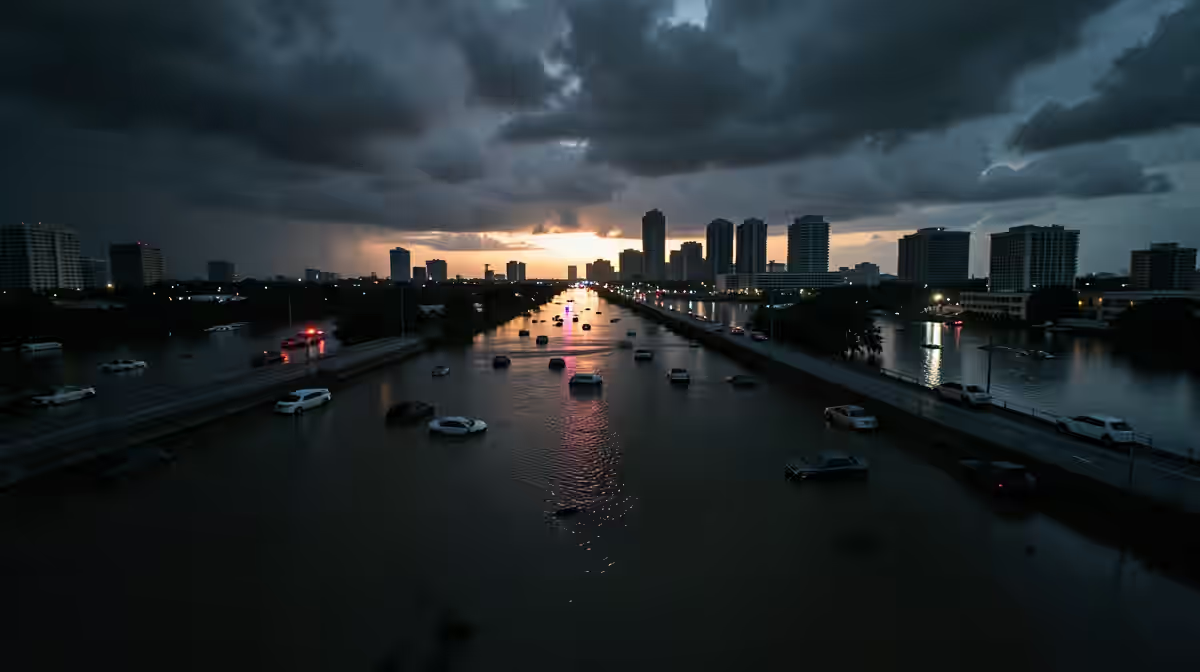
The sky over South Florida appeared to open and refuse to close, dumping a staggering volume of water that transformed urban landscapes into navigable waterways within hours. This was not a hurricane or a named tropical storm, yet the sheer weight of the precipitation brought one of the nation’s most vital economic hubs to a definitive standstill. South Florida floods have brought major transportation and daily life to a standstill after nearly 17 inches of torrential rain battered the region, submerging highways and forcing widespread school closures. The scale of the event has left residents and emergency planners grappling with an immediate crisis while raising long-term questions about the regional capacity to handle extreme weather Florida is increasingly experiencing.
Infrastructure across the region is facing intense strain from the volume of water, which accumulated with a speed that overwhelmed existing drainage systems. From the submergence of critical transit routes to the structural failure of community buildings, the impact has been both broad and deeply localized. As local authorities and emergency response crews continue to address the widespread flooding, managing road closures and assessing structural impacts, the event serves as a stark reminder of the vulnerability inherent in modern urban planning when faced with accelerating climate volatility.
The convergence of nearly 17 inches of rain and stalled weather systems has exposed critical infrastructure dependencies, moving the conversation from emergency response to the urgent need for systemic climate resilience.
Record Breaking Rainfall Paralyzes Highways and Schools
The sheer volume of water—recorded at nearly 17 inches in some locations—has paralyzed the movement of people and goods across the region. Major highways, which serve as the lifelines for commerce and daily commuting, were turned into underwater hazards as drainage systems reached their capacity and then failed. This prompted immediate closures by state authorities to prevent motorists from becoming stranded in rising waters. The disruption extended beyond the asphalt, as local school districts were forced to shut down operations, keeping thousands of students home and highlighting the fragility of educational infrastructure during extreme weather events.
Impact on Transportation and Public Safety
The flooding of highways does more than delay commutes; it creates a cascade of public safety challenges. Emergency response crews have had to navigate submerged streets to reach residents in need, while the closure of schools places an unexpected burden on families and local employers. Residents in affected areas are facing severe travel disruptions and property concerns, with many watching as floodwaters reached the thresholds of their homes and businesses.
The Toll on Educational Institutions
The decision to close schools across South Florida was not made lightly, reflecting the severity of the meteorological alert. When educational facilities are forced to close, it signals that the surrounding infrastructure—roads, bus routes, and local drainage—can no longer guarantee the safety of the student population. These closures disrupt the rhythm of the community and highlight the need for school districts to incorporate climate resilience into their long-term facility planning.
Critical Infrastructure and Healthcare Vulnerabilities
One of the most alarming aspects of this flooding event is the impact on facilities specifically designed to withstand environmental stress. Public facilities have not been spared from the extreme weather conditions, and the damage reported at healthcare and community sites points to systemic vulnerabilities in secondary and tertiary building codes. Memorial Regional Hospital, a cornerstone of the local healthcare system, experienced water damage inside the facility due to the heavy rain. Footage captured inside the hospital shows crews working urgently to address the flooding as water intruded into areas meant to be sterile and secure.
Structural Failures in Community Spaces
The stress of the rainfall was not limited to water intrusion; it also manifested in direct structural failure. A South Florida synagogue suffered a roof collapse amid the severe storms, a dramatic illustration of how the weight of nearly 17 inches of rain can exceed the load-bearing capacity of existing architecture. These incidents suggest that building codes, particularly for older structures or large-roofed community centers, may need to be re-evaluated in light of the escalating frequency of extreme precipitation events.
The impact on Memorial Regional Hospital points to systemic vulnerabilities in building codes when faced with extreme precipitation stress.
Analyzing the Root Causes and Economic Fallout
Meteorological analysis suggests that the event was driven by unprecedented atmospheric moisture convergence and slow-moving weather systems stalling over the region. Unlike a fast-moving storm that passes in hours, this system remained stationary, dropping cumulative rainfall that drainage systems were never designed to process at such a rate. This stalled weather pattern is a primary driver behind the record-breaking totals that have redefined the local understanding of heavy rainfall Florida must now prepare for.
The Political and Zoning Dimension
State and local municipal leaders now face heightened scrutiny over infrastructure resilience. The recurring nature of these extreme weather events has brought zoning laws and stormwater management systems to the forefront of political debate. There is a growing pressure on officials to explain why existing drainage systems are failing and how future developments will be regulated to prevent similar catastrophes. The vulnerability of major US economic and demographic hubs to climate volatility is influencing federal disaster relief allocation debates and national climate adaptation policies.
Economic Disruption and Insurance Markets
The economic angle of the South Florida floods is multifaceted. Beyond the immediate costs of emergency repairs and the loss of commerce during highway closures, there is a mounting pressure on property insurance markets. In flood-prone zones, the risk of significant disruption to commerce and damage to critical real estate—including hospitals and places of worship—is making the insurance landscape increasingly complex.
| Phase | Event Description |
|---|---|
| Initial Accumulation | Heavy convective rainfall begins accumulating rapidly over multiple days. |
| Peak Precipitation | Rainfall peaks near 17 inches, overwhelming drainage systems and causing structural failures. |
| Emergency Response | Crews mobilize for water rescues and damage assessment as communities await drainage. |
Historical Parallels and Global Implications
The situation in South Florida bears a striking historical parallel to Hurricane Harvey's catastrophic flooding in Houston, Texas, in 2017. Both events exposed the vulnerabilities of sprawling urban drainage systems to stalled, high-precipitation weather events. In both cases, the flat topography and high water table of the region exacerbated the impact, turning streets into basins that held water long after the rain intensified. This comparison underscores a broader trend where major metropolitan areas are struggling to keep pace with the changing nature of storm systems.
A Global Perspective on Urban Flooding
The challenges faced by South Florida are not unique but are part of a global trend where infrastructure built for the climate of the 20th century is being tested by the realities of the 21st. The geopolitical angle of this event highlights how internal domestic stability can be affected by environmental factors. As demographic hubs continue to grow in coastal and subtropical zones, the cost of failure in drainage and infrastructure only increases, making climate resilience a matter of national security and economic stability.
The Road Ahead: Recovery and Predictions
As the region moves from the immediate crisis into the recovery phase, the focus shifts to the next 24 to 72 hours. Analysts expect local municipalities to focus on immediate drainage and emergency repairs while evaluating the broader economic and infrastructural toll of the extreme rainfall event. The best-case scenario involves floodwaters receding rapidly, allowing highways and schools to reopen quickly with minimal structural damage. However, the worst-case scenario remains a concern: prolonged water damage could compromise critical infrastructure further, extending closures and escalating repair costs.
Timeline for Assessment and Repair
- Next 24 Hours: Continued response to severe flooding, road closures, and infrastructural impacts across the region.
- Next 72 Hours: Detailed assessment of water damage in hospitals, schools, and properties like the collapsed synagogue roof.
- Long-Term: Efforts to drain flooded highways and initiate structural repairs as weather systems pass.
The key players in this recovery—including regional authorities, emergency response crews, local school districts, and hospital administrations—will be tasked with not just repairing what was broken, but determining how to prevent a repeat of this disruption. The impact areas are clear: infrastructure, transportation, healthcare facilities, and education have all been touched by this deluge.
Frequently Asked Questions
What caused the severe flooding in South Florida?
Heavy rainfall totaling nearly 17 inches triggered widespread flooding across the region. The persistent storms overwhelmed drainage systems and brought severe weather conditions to local communities.
Which areas and infrastructure were impacted by the floods?
The severe weather led to the closure of major highways and schools throughout South Florida. Even critical infrastructure like Memorial Regional Hospital and a local synagogue sustained water damage and roof issues.
How are hospitals and local facilities handling the damage?
Crews have been working urgently inside facilities like Memorial Regional Hospital to address water damage and ongoing flooding issues. Emergency responders and maintenance teams continue to manage widespread infrastructure challenges.
When will the heavy rain in South Florida end?
Meteorologists and local news sources have been tracking the duration of the storm system to determine when conditions will finally clear up. Residents are closely monitoring forecasts for updates on the cessation of the rainfall.
Are schools and major roads closed due to the weather?
Yes, the catastrophic rainfall forced the closure of multiple schools and major highways as roads quickly went underwater. Travel conditions remain extremely hazardous for drivers across the affected regions.
What specific structural damages were reported during the storm?
Aside from widespread road submergence and hospital water damage, severe weather caused a roof collapse at a South Florida synagogue. Maintenance and emergency crews were dispatched to handle structural emergencies across the area.
Conclusion
The flooding of South Florida following nearly 17 inches of rain represents more than just a severe weather event; it is a critical test of regional infrastructure and governance. The closure of highways and schools, combined with water damage at Memorial Regional Hospital and the collapse of a synagogue roof, highlights the urgent need for a shift in how urban environments are designed and maintained. As emergency crews work through the immediate aftermath, the focus must inevitably turn to long-term resilience. The next 72 hours will be vital for assessing the full extent of the structural and economic damage. While the region awaits the final passage of the weather system, the lessons learned from this deluge will likely influence zoning, building codes, and climate adaptation policies for years to come. Ultimately, the goal remains a rapid return to normalcy, but with a newfound emphasis on preparing for the next inevitable atmospheric surge.
Sources
- Watch: Widespread flooding in South Florida after heavy rainfall — BBC
- Not even hospitals are spared! Severe weather and heavy rain are causing problems across South Florida, and Memorial Regional Hospital is feeling the impact. Video captured inside the hospital shows water damage as crews work to address the flooding a — Facebook
- Video: South Florida roads underwater as rain triggers widespread flooding — WESH
- Nearly 17 inches of rain floods South Florida, closing highways, schools — AccuWeather
- Heavy rain causes roof collapse at South Florida synagogue amid widespread flooding — WPEC
- When will all this rain in South Florida end, and what’s causing it? — Miami Herald


