
Hakeem Jeffries House Speaker Nomination Signals A Historic Power Shift
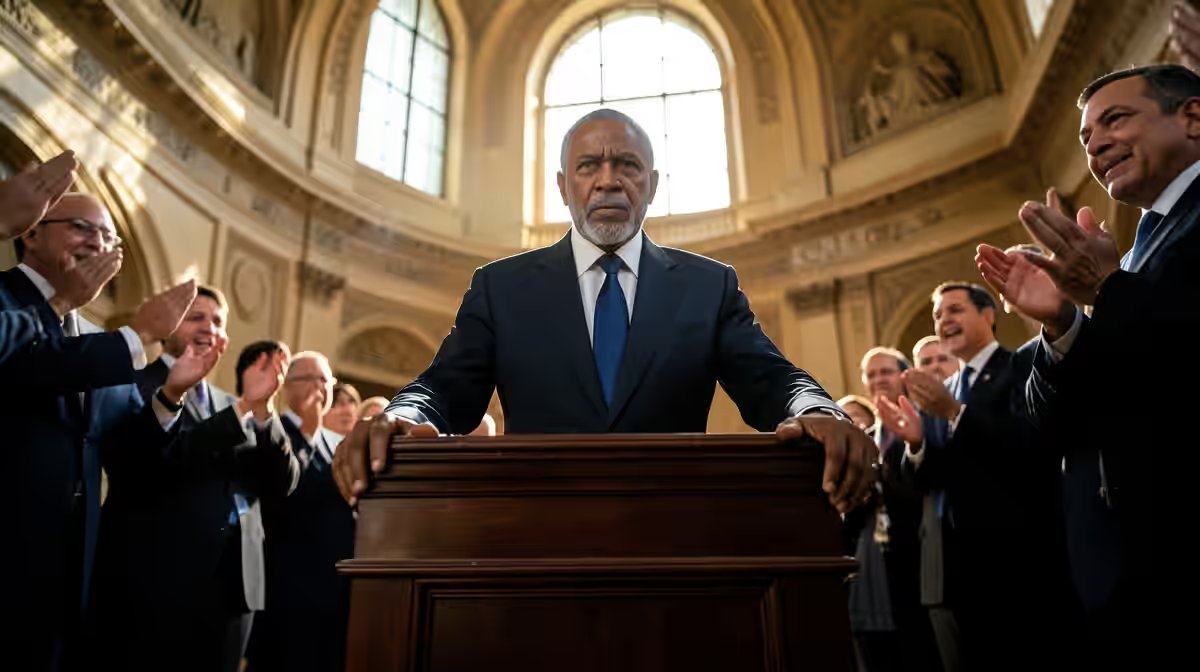
The traditional halls of the United States Capitol are bracing for a structural transformation that extends far beyond a change in nameplates. As the Democratic caucus concludes its internal deliberations, the path toward a new era of congressional leadership has been firmly established through a decisive internal mandate. In a significant political development on Capitol Hill, the Democratic caucus has united behind the Hakeem Jeffries House speaker nomination, setting the stage for high-stakes negotiations in the US Congress.
The Hakeem Jeffries House speaker nomination places him on a definitive path to become the first Black speaker in U.S. history, marking a major milestone for minority representation in federal governance.
This nomination marks a historic moment for the Democratic Party, signaling a transition toward a new generation of leadership. Jeffries secured the endorsement of his peers by an overwhelming margin, effectively consolidating his status as the party's choice for the highest office in the House of Representatives. While the official election for the speakership involves the full chamber at the start of the next congressional term, this internal victory serves as the critical first hurdle, affirming Jeffries' ability to maintain party discipline across a diverse and often divided caucus.
The Path to the Hakeem Jeffries House speaker nomination
The process leading to this nomination was characterized by both a swift consolidation of mainstream support and a calculated management of internal dissent. House Democrats met to determine their leadership for the upcoming term, and the results reflected a party eager to present a unified front. Jeffries managed to navigate the complex internal politics of the Democratic caucus, which consists of various ideological wings ranging from centrist pragmatists to staunch progressives.
The overwhelming nature of his victory is seen by political analysts as a testament to strategic party positioning. By securing the nomination decisively, Jeffries has neutralized immediate challenges to his leadership, positioning himself as the primary architect of the party’s legislative strategy. This development is not merely a personnel change but a signal of how the Democratic Party intends to function as a legislative body in the coming year.
Navigating Intra-Party Resistance
Despite the lopsided vote in his favor, the road to the nomination was not without friction. Hakeem Jeffries faced specific threats and pushback from ultra-progressive members within his own party. These factions sought to use the leadership transition as a leverage point to extract policy concessions and procedural promises. The resistance from these "progressive defectors" initially created an atmosphere of uncertainty, as observers questioned whether Jeffries could secure the votes necessary to lead without a protracted internal battle.
However, the eventual outcome revealed the current limits of power for these ultra-progressive factions. While their voices were prominent in the lead-up to the vote, their inability to block or significantly delay the nomination suggests a recalibration of internal leverage. Analysts note that the ease with which Jeffries bypassed these threats may quietly redefine how future party leadership negotiates with its most vocal wings.
The Limits of Progressive Leverage
| Political Faction | Response to Nomination | Impact on Vote |
|---|---|---|
| Mainstream Democrats | Overwhelming Support | Secured the majority mandate |
| House Progressives | Conditional Endorsement | Secured policy commitments on Medicare |
| Ultra-Progressives | Active Resistance | Revealed limited ability to block nomination |
The dynamics of the vote showed that while the progressive wing remains a vital component of the Democratic coalition, the party's core remains focused on institutional stability and unified leadership under Jeffries.
The Medicare Mandate: A Strategic Policy Pivot
One of the most critical elements in solidifying the Hakeem Jeffries House speaker nomination was his commitment to specific legislative priorities. To bridge the gap with the progressive wing, Jeffries pledged to prioritize the expansion of Medicare. This commitment was a decisive factor in winning over lawmakers who had previously been hesitant to offer their full support.
House progressives have since lauded this commitment, viewing it as a major victory for their policy agenda. By promising to focus on healthcare expansion, Jeffries has not only secured his nomination but has also set the tone for the upcoming legislative session. This focus on the social safety net and healthcare spending points toward impending legislative battles over federal budget priorities and social policy funding.
- Commitment to expand Medicare coverage
- Focus on social safety net funding
- Strategic alignment with healthcare-focused lawmakers
This policy pivot is seen as a "best-case" scenario for party unity, allowing Jeffries to present a strong legislative front while addressing the core concerns of his party's more liberal members.
Historical Parallels and Generational Shifts
The rise of Hakeem Jeffries is being compared to other historic shifts in congressional power structures. Just as Nancy Pelosi broke barriers as the first female House speaker, Jeffries’ trajectory marks a demographic and generational shift within the Democratic leadership. This transition reflects a changing America and a party that is increasingly diversifying its top ranks.
The historical significance of a potential Black House speaker cannot be overstated. The Speaker of the House is the presiding officer of the lower chamber, a role that determines which bills reach the floor and sets the political tone in Washington. If Jeffries secures the speakership, he will oversee the legislative agenda for the entire nation, breaking a long-standing racial glass ceiling in American political leadership.
Global Angle and Geopolitical Impact
Leadership transitions in the U.S. House of Representatives carry weight far beyond the borders of the United States. International partners and global markets watch these shifts closely, as the House speaker plays a pivotal role in foreign policy funding and international alliances. The speaker’s influence over the federal budget means they have a direct hand in legislative oversight of global commitments.
The Hakeem Jeffries House speaker nomination signals to international allies a potential for continuity or a shift in how domestic constraints affect foreign aid and international agreements. As Jeffries prepares for the full House vote, his ability to manage internal party factions will be seen as a proxy for how he might handle complex international negotiations and global policy challenges.
The choice of House speaker shapes the legislative agenda, determines which bills reach the floor for a vote, and sets the political tone in Washington.
The Road Ahead: Timeline of a Transition
As the Democratic party celebrates this nomination, the next few days and weeks will be critical for the House leadership race. The focus now shifts from internal nomination to the broader task of securing the necessary votes in the full chamber.
- Next 24 Hours: House Democrats will continue to solidify support and celebrate the historic nature of the nomination while media analysis intensifies.
- Next 72 Hours: Political discussions will shift toward Jeffries’ negotiations with various factions to ensure a unified performance in the upcoming congressional term.
- The Next Session: Jeffries will face the official vote for the speakership, where he must maintain the support of his entire caucus to secure the gavel.
Experts predict that the path forward will involve intense legislative negotiations. Jeffries will need to balance the demands of the progressives who supported his Medicare pledge with the pragmatic needs of the broader party. The "worst-case" scenario remains potential friction from persistent defectors, which could complicate the path toward a smooth transition in the speakership election.
Frequently Asked Questions
What is the significance of Hakeem Jeffries' nomination for House speaker?
It puts him on track to potentially become the first Black speaker of the House in U.S. history, marking a major milestone in American political leadership.
How did Jeffries secure the support of House progressives?
He made key commitments to legislative priorities, specifically pledging to work on the expansion of Medicare, which helped satisfy progressive lawmakers.
Did Jeffries face any opposition within his party?
Yes, he faced threats and pushback from ultra-progressives and certain defectors, though the final vote showed that their ability to block his nomination was limited.
What happens next in the process?
Following the nomination, Jeffries must prepare for the official vote in the House of Representatives at the start of the next congressional term to formally become the speaker.
Conclusion
The nomination of Hakeem Jeffries for House speaker marks a definitive turning point in US Congress politics. By overcoming internal dissent and securing a commitment to landmark healthcare priorities, Jeffries has demonstrated a capacity for party discipline and strategic negotiation. While the road to the official speakership vote involves navigating further intra-party dynamics, his overwhelming victory in the Democratic caucus establishes a clear mandate for his leadership. As the nation watches this historic transition, the focus will remain on Jeffries' ability to bridge the gap between various factions and steer the legislative agenda toward the next congressional term. In the coming days, the Democratic party is expected to continue its effort to project a unified front, preparing for a leadership shift that reflects both a generational and a demographic transformation in American governance. High-stakes negotiations and strategic party planning will define the immediate future as the House moves toward a new era.
| Event | Status | |---|---| | Democratic Caucus Vote | Completed | | Hakeem Jeffries Nomination | Secured | | Commitment to Medicare Expansion | Confirmed | | Official House Speaker Election | Upcoming |
Sources
- Democrat Hakeem Jeffries nominated to be first Black speaker of House next year — The Washington Post
- Hakeem Jeffries overwhelmingly wins House speaker nomination despite threats from ultra-progressives — CNN
- House progressives laud Jeffries’ commitment to expand Medicare — Politico
- House Dems nominate Hakeem Jeffries for speaker, putting him on track to be the first Black speaker — CBS News
- What to know about Hakeem Jeffries as he easily wins Democratic nomination for House speaker — Yahoo
- Hakeem Jeffries’ progressive defectors reveal the limits of their power: From the Politics Desk — NBC News


