
Senator Cornyn Blocks Trump Judicial Nominee As Texas Tensions Rise
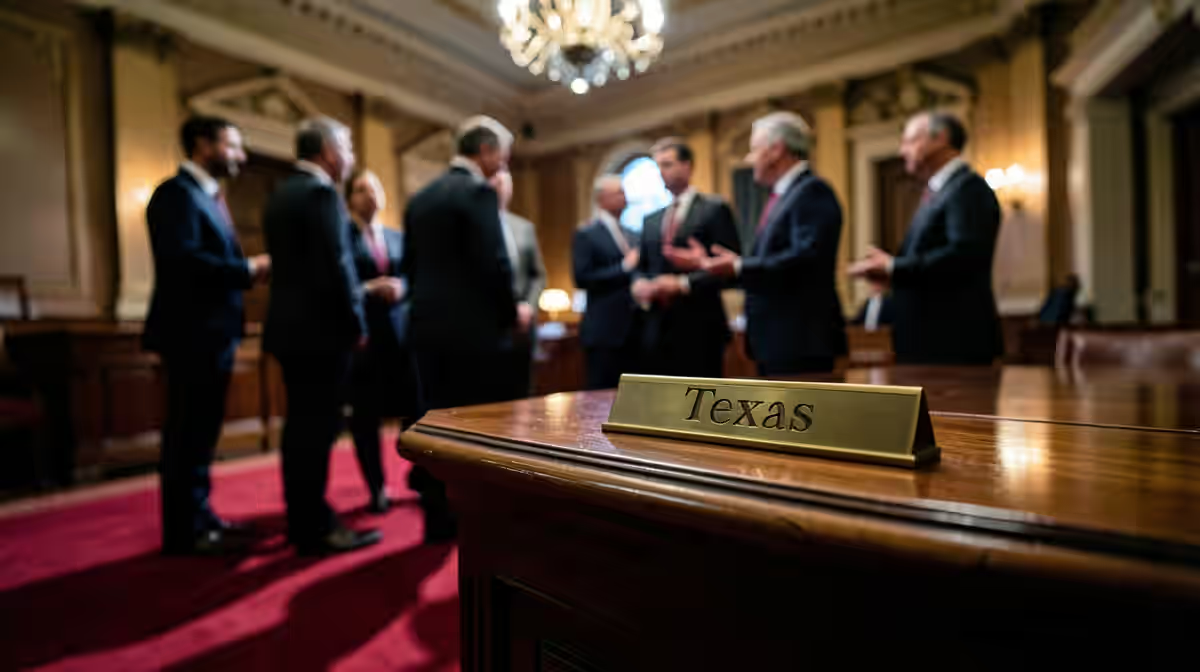
The internal mechanics of the United States Senate can occasionally halt the most significant ambitions of the executive branch with a single procedural gesture. In a surprising political move, a Trump judicial nominee in Texas has faced a major roadblock after intervention from a key senator, signaling a deep-seated dispute over the limits of presidential appointment power and the necessity of local consultation.
Republican Senator John Cornyn of Texas has officially blocked a judicial nominee put forward by Donald Trump for a federal district court vacancy in the state. The objection centers on the fact that the nominee, a top Justice Department official, was not chosen from within Texas or in line with the traditional consultation processes expected by Texas lawmakers. This rare intra-party clash highlights the enduring power of Senate traditions and the friction that arises when executive nominations bypass established senatorial prerogatives.
The standoff between Senator John Cornyn and the administration underscores the enduring power of senatorial courtesy, where local representation and consultation remain non-negotiable prerequisites for federal judicial appointments.
The Anatomy of the Judicial Standoff
The conflict erupted when the administration announced its intention to fill a federal district court vacancy in Texas with a high-ranking official from the Department of Justice. While the nominee holds a prominent role within the federal government, Senator Cornyn’s opposition is rooted in the candidate's lack of ties to the Texas legal community and the state itself. According to reports from major news organizations including AP News, Reuters, CNN, and CBS News, the blockade is a direct response to the administration’s failure to select a candidate from Texas or engage in the expected level of consultation with home-state stakeholders.
In the U.S. Senate, home-state senators traditionally hold significant sway over judicial appointments in their states through a custom known as senatorial courtesy. When a senator objects to a nominee from their own state, it can effectively stall or completely halt the confirmation process. This specific blockade highlights a rare public hurdle between a prominent Republican senator and a Trump administration judicial nomination, drawing immediate national attention from political observers and legal analysts alike.
The Role of Senatorial Courtesy and Blue Slips
Historically, the confirmation of federal judges has relied on a tradition involving "blue slips." This practice allows home-state senators to signal their approval or disapproval of judicial candidates from their region. While the influence of the blue slip has fluctuated over the decades, it remains a potent tool for senators to defend their traditional oversight powers and local influence in judicial selections.
Institutional Friction
The root cause of Senator Cornyn's decision stems from what is perceived as a breach of senatorial courtesy. The traditional prerogative of home-state senators to recommend and vet federal judicial appointments acts as a check on executive overreach regarding local federal benches. When an administration bypasses these local recommendations, it often leads to a retaliatory delay or a formal block, as seen in this instance.
A Clash of Priorities
The current standoff highlights institutional friction within the Republican party, specifically the tension between the executive branch's desire to install loyalist figures and long-serving senators who prioritize regional representation. For Senator Cornyn, the issue is not necessarily the qualifications of the DOJ official, but rather the failure of the administration to choose a candidate connected to Texas.
Timeline of the Confirmation Battle
The sequence of events leading to the current legislative standoff reveals a rapid escalation of political tensions between the Texas senator and the Department of Justice.
- The administration announces the nomination of a top Justice Department official for a federal district court vacancy in Texas.
- Senator John Cornyn objects to the nomination, citing a lack of proper consultation and the fact that the candidate was not chosen by Texas stakeholders.
- Senator Cornyn formally blocks the judicial nominee, preventing the confirmation process from moving forward in the Senate.
- The Department of Justice begins reacting to the block, while national media outlets report on the emerging intra-party conflict.
Economic and Legal Implications for Texas
The delay in filling this federal district court vacancy has practical consequences beyond the political theater of Washington. Federal courts in Texas handle a massive volume of cases that are critical to the regional and national economy.
| Impact Area | Consequences of Vacancy |
|---|---|
| Corporate Litigation | Uncertainty for businesses involved in large-scale legal disputes. |
| Energy Regulation | Potential delays in rulings related to the state's dominant energy sector. |
| Intellectual Property | Caseload pressure on existing judges affecting patent and copyright cases. |
| Judicial Efficiency | Prolonged vacancies exacerbate existing backlog and caseload pressures. |
The vacancy in the federal district court requires cooperation between the White House and home-state senators to ensure a smooth confirmation process. Without this cooperation, the resulting backlog can create significant uncertainty for businesses operating within the state, particularly in sectors like energy and technology where legal clarity is paramount.
Geopolitical and Strategic Perspectives
While the dispute is domestic in nature, internal federal judiciary friction is often monitored by foreign observers as an indicator of executive stability and the rule of law within the United States. Prolonged legislative-executive gridlock signals potential instability in the administrative process.
Furthermore, the blockade may reflect broader posturing among Senate Republicans. As the party positions itself for future legislative battles, the control over federal patronage networks and judicial selections remains a key point of leverage. This move by Senator Cornyn ensures that the Senate maintains its role as a significant gatekeeper for life-tenured federal appointments.
The blockade highlights institutional friction between the executive's desire for loyalist appointments and the Senate's defense of traditional oversight powers.
Future Outlook and Potential Resolutions
The next 24 to 72 hours are expected to see further statements and reactions from the Department of Justice, Senator Cornyn's office, and the administration. The political and media debate will likely focus on the continued relevance of senatorial courtesy and how the administration will respond to this legislative roadblock.
Expert Predictions
Analysts expect that political negotiations will likely ensue behind the scenes to resolve the dispute over the judicial vacancy. These negotiations will need to balance senatorial prerogatives with the administration's appointment goals.
- Best-Case Scenario: Senator Cornyn and the administration reach a compromise on a qualified judicial candidate who has strong ties to Texas and the support of local stakeholders.
- Worst-Case Scenario: The dispute escalates into a prolonged standoff, leaving the federal judicial vacancy in Texas open for an extended period and further straining relations between the Senate and the executive branch.
Whether the administration will put forward an alternate nominee from Texas or attempt to push the current candidate through the procedural roadblock remains a developing situation. Without local senatorial support, however, advancing the current nominee through the confirmation process becomes extremely difficult.
Frequently Asked Questions
Why did Senator John Cornyn block a Trump judicial nominee in Texas?
Senator John Cornyn blocked the nomination because Donald Trump did not choose a candidate connected to or recommended from Texas. The nominee in question was a top Justice Department official seeking a federal district court vacancy in the state.
Who was the judicial nominee blocked by Senator Cornyn?
The nominee was a top Justice Department official nominated by Donald Trump for a federal district court vacancy in Texas. Senator Cornyn used his senatorial prerogative to halt the appointment due to a lack of local consultation or connection.
What is the background of senators blocking judicial nominees?
Senators traditionally exercise significant influence over federal judicial appointments in their home states through the use of the 'blue slip' custom and home-state consultation. When a president bypasses local recommendations, home-state senators often retaliate by blocking or delaying confirmation.
How does this block impact federal courts in Texas?
The blockade delays filling an open federal district court vacancy in Texas, which can exacerbate existing caseload pressures in the region. Judicial vacancies require cooperation between the White House and home-state senators to ensure smooth confirmations.
What was the Department of Justice's reaction to Cornyn's decision?
The Department of Justice reacted to the standoff after Senator Cornyn moved to block their top official's nomination to the federal bench. Such public friction between a prominent Republican senator and the administration highlights ongoing battles over judicial selections.
What happens next regarding the blocked Texas judicial nominee?
The nomination remains stalled unless the administration negotiates with Senator Cornyn or decides to put forward a candidate with stronger Texas ties. Without local senatorial support, advancing the current nominee through the confirmation process becomes extremely difficult.
Conclusion
The formal blocking of a **Trump judicial nominee in Texas** by Senator John Cornyn marks a significant moment of internal friction within the Republican party and a robust defense of senatorial tradition. By insisting on a nominee with local ties and proper consultation, Cornyn has leveraged the historic "blue slip" custom to check executive appointment power. This development leaves a critical vacancy in the Texas federal district court unfilled, potentially impacting the state's legal and economic landscape. As the Department of Justice and the administration weigh their next moves, the situation remains a stalemate that can likely only be resolved through high-level political negotiation and a commitment to home-state representation. Over the coming days, the focus will shift toward whether the administration will yield to these traditional expectations or continue a public standoff with one of its most influential legislative allies.
Sources
- Sen. Cornyn blocks judicial nominee because Trump didn’t choose Texas — CNN
- Cornyn blocks top Justice Department official nominated for judicial vacancy in Texas — AP News
- Republican Senator Cornyn blocks Trump judicial nominee in Texas — Reuters
- Cornyn blocks Trump's nomination of top DOJ official to federal district court in Texas — CBS News
- Sen. John Cornyn blocks Trump nominee for federal judge in Texas — The Texas Tribune
- DOJ Reacts To Trump Judicial Nominee Block By GOP Senator John Cornyn — Newsweek


