
Stock Market Today Dow Futures Surge As Nasdaq Signals Major Shift
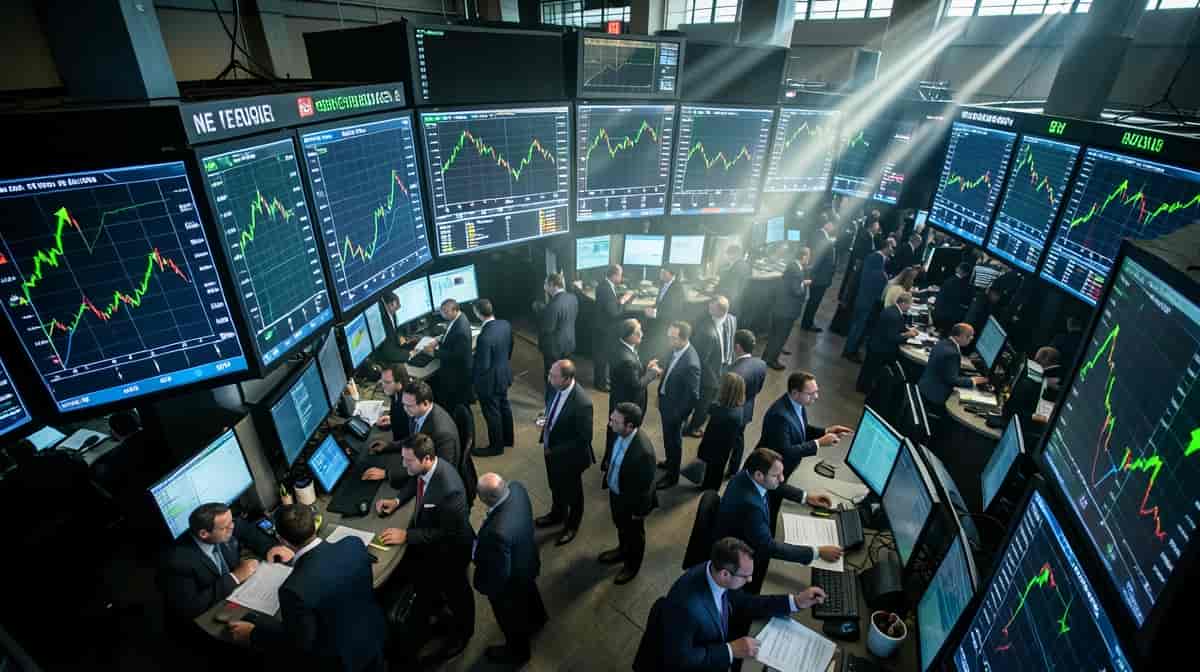
The high-stakes tug-of-war between speculative fear and institutional opportunism reached a tipping point as the global trading week commenced. Dow futures jump 700 points today following a sharp market correction, while the Nasdaq soars 3 percent, signaling a strong recovery for the tech sector and a resurgence in investor confidence across Wall Street. This sudden shift provides a moment of reprieve for a market that, just days ago, seemed to be teetering on the edge of a sustained downturn driven by skepticism over artificial intelligence valuations and shifting geopolitical landscapes.
The coordinated messaging from major tech stakeholders attempting to stabilize market sentiment may mask underlying structural fragility in heavily AI-dependent corporate capital expenditure cycles.
The resurgence in futures activity suggests that the "buy the dip" mentality remains a potent force among US stock market investors. After a period of intense pressure where major benchmarks officially entered correction territory, institutional buyers appear to be reassessing the damage. A market correction typically occurs when a major index falls 10 percent or more from its recent high, a threshold the Nasdaq and Dow recently breached amid a severe tech rout. The current bounce helps calm panicked markets, though analysts warn that volatility is likely to persist as the tech sector attempts to find stable footing.
Anatomy of the Market Rebound
The sheer scale of the rebound has caught many traders by surprise, particularly given the intensity of the preceding sell-off. Dow Jones Industrial Average futures surged approximately 700 points, reclaiming significant ground lost during a week defined by deep tech losses and geopolitical anxiety. Simultaneously, the tech-heavy Nasdaq-100 futures jumped 3 percent, a move that directly counters the recent "AI wipeout" narrative that had dominated financial headlines.
The stabilization efforts were not confined to domestic sentiment alone. Major corporate players and international markets played a pivotal role in easing investor fears. Oracle, a key player in the enterprise software and cloud infrastructure space, along with updates from South Korean tech hubs, helped mitigate the sense of impending meltdown. These updates provided a much-needed counter-narrative to the skepticism surrounding AI monetization that had triggered the initial correction.
- Stock futures rebounded strongly to start a shortened trading week.
- Dow Jones futures reclaimed 700 points after entering a technical correction.
- The Nasdaq soared 3 percent following intense market turbulence and AI-related sell-offs.
- Efforts by major firms like Oracle helped stabilize sentiment.
- Global markets remain watchful as Asian indices brace for potential sector adjustments.
The Drivers of Volatility
The root cause of this dramatic swing lies in a technical bounce combined with a fundamental reassessment of technology valuations. Investors have been grappling with growing skepticism regarding the timelines for artificial intelligence monetization. For much of late November 2026, tech-heavy indexes faced downward pressure as analysts questioned whether the massive capital expenditures in AI infrastructure would yield immediate returns.
This internal market tension was exacerbated by external factors. On Friday, November 20, 2026, futures had previously plunged as the market reacted to geopolitical uncertainties, including the Trump administration weighing a critical decision regarding Iran. During this period, specific stocks such as Intuit (INTU), Ross Stores (ROST), and Keysight Technologies (KEYS) came into sharp focus as market participants looked for signals of broader consumer and industrial health.
The Role of Artificial Intelligence
The recent meltdown was heavily influenced by a "risk-off" sentiment that targeted the very sector that had driven the bull market: technology. As Asian markets prepared for a potential wipeout in AI-related stocks, US futures began to decouple, showing resilience as domestic buyers moved in. The aggressive rebound in the Nasdaq suggests that while valuations were overextended, the underlying demand for technology leadership remains intact for many institutional players.
A market correction typically occurs when a major stock index falls 10 percent or more from its recent high, driven by changing economic conditions or shifting investor sentiment.
A Shifting Landscape for Investors
The impact of these wild swings extends far beyond the trading floors of Lower Manhattan. Everyday retail investors, particularly those with 401(k) retirement portfolios and mutual funds, are directly affected by the shifting stability of the Dow and Nasdaq. When indices enter a correction, it often leads to hesitation in consumer spending and business investments, as the perceived wealth effect diminishes.
For technology sector employees, whose compensation is often tied to stock performance, the 3 percent surge in the Nasdaq represents more than just a number—it is a restoration of personal net worth. However, the background context of this recovery is one of extreme intraday and interweek volatility. This environment favors sophisticated traders but can be treacherous for individuals managing their own retirement accounts without professional guidance.
| Market Milestone | Impact Level | Current Status |
|---|---|---|
| Dow Futures Jump | 700 Points | Strong Rebound |
| Nasdaq Performance | 3% Increase | Recovery Phase |
| Tech Sector Status | Post-Correction | Stabilizing |
| Investor Sentiment | Cautious | Improving |
Strategic Analysis and Geopolitical Ties
From an analytical perspective, the 700-point jump in Dow futures and the 3 percent Nasdaq surge highlight an environment of extreme volatility. Institutional investors are aggressively buying the dip while simultaneously reassessing tech valuations that had become overextended. This behavior reflects a market that is searching for a bottom but remains sensitive to macroeconomic triggers.
The political and geopolitical dimensions cannot be ignored. Geopolitical tensions in the Middle East and regulatory scrutiny surrounding AI infrastructure and technology monopolies continue to cast a shadow over long-term growth projections. Financial sentiment remains fragile, with global players monitoring US foreign policy decisions and their potential to disrupt global equity futures.
Historical Parallel to the Dot-Com Era
Analysts draw a clear historical parallel to the Dot-Com bubble correction of 2000. During that era, high-flying technology valuations faced a rapid reassessment, leading to sharp declines followed by intermittent relief rallies. The current situation in 2026 mirrors that pattern, as the market tests the limits of AI-driven growth. The key difference today is the role of coordinated corporate messaging and the speed at which global markets react to shifting cues.
Future Outlook and Market Predictions
As the market enters the next 24 to 72 hours, the primary focus will be on whether the current gains can hold during the full cash trading session. The shortened trading week adds a layer of complexity, as lower trading volumes can sometimes lead to exaggerated price movements.
- Short-Term (Next 24 Hours): Markets will monitor the continuation of the rebound, specifically watching if the Dow and Nasdaq can maintain their futures gains once the regular session opens.
- Mid-Term (Next 72 Hours): Investors will assess whether the tech sector stabilization and corporate efforts to ease fears can sustain a broader recovery across global indices.
- Strategic Assessment: Heightened volatility is expected to persist as markets attempt to find a stable footing after the sharp correction and subsequent relief rally.
In the best-case scenario, the significant jump in Dow and Nasdaq futures builds enough momentum to lead to a sustained recovery, fully restoring investor confidence. In the worst-case scenario, this bounce proves to be a temporary relief rally—a "dead cat bounce"—and lingering concerns over AI valuations and geopolitical meltdowns trigger renewed selling pressure.
Frequently Asked Questions
What happened to the US stock market today regarding Dow and Nasdaq futures?
Stock futures rebounded strongly to start a shortened trading week following a significant tech rout. The Dow Jones futures jumped 700 points while the Nasdaq soared 3 percent after entering a correction.
Why did the stock market experience a major correction recently?
The market correction and subsequent meltdowns were heavily driven by a severe tech and AI-related selloff that put pressure on major indices. Investors reacted to growing volatility, prompting a wave of risk-off sentiment before futures staged a rebound.
Who is affected by the recent tech selloff and market rebound?
Investors, traders, and major technology companies are directly impacted by these dramatic swings. Market participants holding positions in tech-heavy indices like the Nasdaq and broad-market indexes like the Dow felt the brunt of both the selloff and the sharp recovery.
What happens next for the stock market after this massive futures jump?
Markets will continue to monitor whether this strong rebound can be sustained as the shortened trading week progresses. Investors are keeping a close eye on easing fears from key tech players and broader economic developments to determine if the correction is truly over.
What is the background behind the recent market turbulence?
The turbulence followed a period of intense pressure where tech shares plunged amidst growing anxiety over artificial intelligence valuations and global market jitters. Major indices faced sharp pullbacks before buyers stepped in to spark a relief rally.
How large was the recovery for the Dow Jones and Nasdaq futures?
The recovery was marked by a dramatic surge, with Dow futures climbing by 700 points and Nasdaq futures leaping 3 percent. This sharp upward movement helped offset some of the panic caused by the preceding market correction.
Conclusion
The dramatic 700-point surge in Dow futures and the 3 percent leap in the Nasdaq signal a potential end to the recent market correction, but the underlying landscape remains complex. While buying activity has intensified, driven by corporate reassurances from leaders like Oracle and a technical rebound from oversold conditions, the structural questions surrounding AI monetization and geopolitical stability have not been fully resolved. Investors must now determine if this recovery is the start of a sustained upward trend or merely a brief pause in a more significant market reassessment. As the shortened trading week unfolds, the ability of these indices to hold their gains will be the definitive test of Wall Street's current resilience.
Sources
- Stock futures rebound to start shortened week after tech rout: Live updates — CNBC
- Stock market today: Dow futures jump 700 points and Nasdaq soars 3% after entering correction — Fortune
- Futures Due As Oracle, Korea Try To Ease Fears After Meltdown — Investor's Business Daily
- US futures bounce while Asia markets brace for AI wipeout — Yahoo Finance
- Nasdaq Futures Plunge as AI Selloff Rolls On — Barchart.com
- Stock Market Today: Dow Jones, S&P 500, Nasdaq 100 Futures Fall as Trump Weighs Iran Decision— INTU, ROST, KEYS in Focus (UPDATED) — TradingView


