
NC Jail Inmate Takeover Exposes Severe Systemic Security Failures
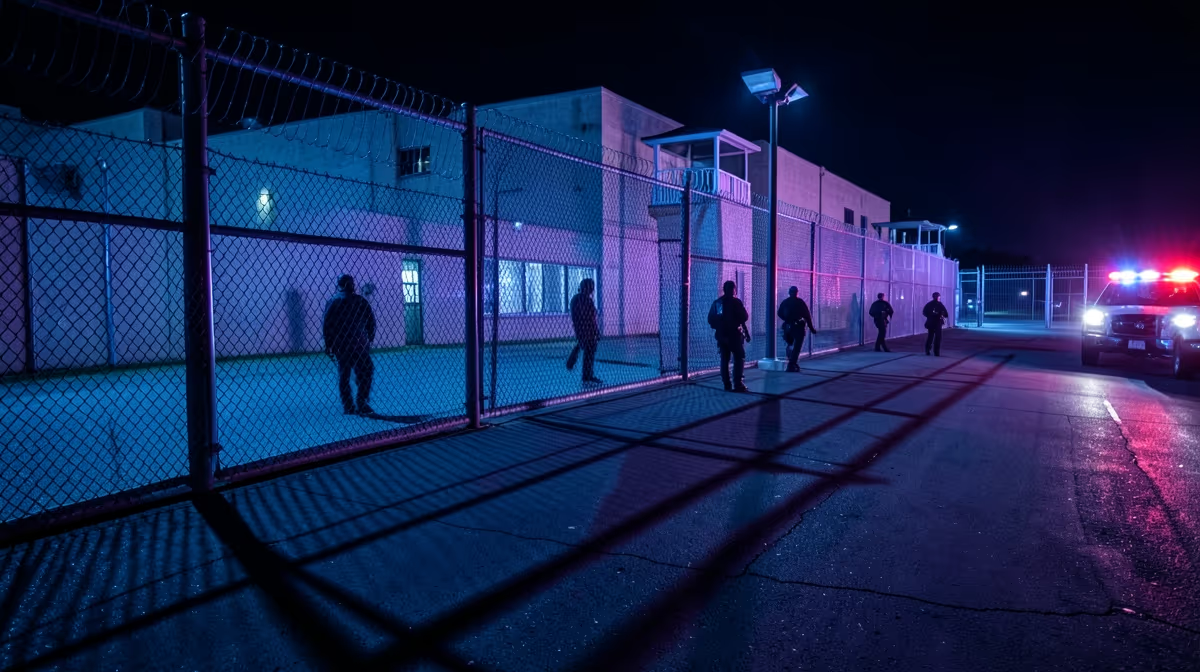
A tactical standoff involving multiple inmates at the Maury Correctional Institution in Greene County, North Carolina, concluded early Thursday after authorities regained control of a housing unit following a coordinated uprising. This disruption serves as a stark reminder of the volatility inherent in modern detention centers, where even high-security zones are susceptible to sudden shifts in stability, forcing a critical re-examination of an NC jail inmate takeover and the systemic weaknesses that enable such breaches.
What Happened
The incident began late Wednesday afternoon when a group of inmates breached security protocols within a high-security housing unit. North Carolina Department of Adult Correction officials reported that prison staff were forced to evacuate portions of the facility to ensure the safety of personnel as inmates barricaded themselves inside the area. Throughout the ordeal, the perimeter of the facility remained secure, though the internal structure of the housing unit became the focal point of a tense, hours-long standoff.
Specialized prison emergency response teams were deployed to the site to de-escalate the situation and restore order. Negotiators spent several hours communicating with the inmates involved in the disturbance, balancing the need for safety with the urgency of regaining facility control. By approximately 2:00 a.m. Thursday, tactical teams successfully breached the barricaded area and brought the situation to a close without further violence. State officials have since placed the entire facility on lockdown while a formal investigation into the security breach is conducted.
Key Facts
The takeover was contained, order was restored, and no staff fatalities or injuries occurred. While the disturbance caused significant concern, the North Carolina Department of Adult Correction emphasized that the safety of staff and the secure operation of facilities remain a top priority. Verified facts indicate that the incident occurred specifically at the Maury Correctional Institution, involving inmates housed in a high-security unit. Although no staff members were injured during the event, the incident has triggered an immediate investigation to determine the precise sequence of events that led to the breach. The motive for the uprising remains under review, with initial reports suggesting it may have been tied to disputes over internal facility management.
Why It Matters
This incident highlights the ongoing challenges of maintaining safety and security within correctional facilities, which often struggle with staffing shortages and aging infrastructure. When control is lost inside a jail, it creates an immediate public safety risk for the surrounding community and raises urgent questions about oversight, emergency protocols, and the conditions under which both inmates and staff operate. The situation affects a wide circle of stakeholders, including the inmates, jail staff, their families, local law enforcement agencies, and residents living in the immediate vicinity of the detention center. The breach underscores the vulnerability of correctional systems where, in the absence of robust oversight and sufficient staffing, minor disputes can rapidly escalate into institutional crises.
Expert Analysis
The root cause of this incident appears to be a confluence of systemic overcrowding, severe understaffing, and the degradation of rehabilitative infrastructure, creating a pressure-cooker environment for facility collapse. Historically, such events echo the 1971 Attica Prison uprising, mirroring the breakdown of negotiation channels and the manifestation of deep-seated grievances against institutional control. The current crisis is the culmination of chronic personnel attrition and facility neglect that has persisted in the post-pandemic era, punctuated by a series of localized disturbances and security breaches that gradually increased internal volatility.
Political And Geopolitical Implications
The takeover highlights a shift in carceral policy debates between law and order rhetoric and the necessity of justice reform, exposing vulnerabilities in local administration accountability. Economically, the facility faces the prospect of escalating costs associated with litigation, emergency staffing premiums, facility repairs, and potential federal consent decree oversight expenses. On a broader scale, such events contribute to the erosion of international perceptions regarding United States human rights standards, specifically concerning the treatment of detainees and the transparency of prison management. Furthermore, the event brings into focus the influence of private prison contractors who have faced criticism for maintaining status quo operations despite evidence of failing safety protocols and inadequate training.
What Happens Next
In the next 24 hours, law enforcement will likely prioritize containment and perimeter security while initiating formal negotiations with inmate leaders to identify grievances and demands. Over the next 72 hours, authorities are expected to execute a tactical resolution or reach a negotiated settlement, followed by a comprehensive sweep of the facility and medical evaluations for staff and inmates. Expert prediction suggests the situation will be resolved through containment and negotiation to avoid high-risk tactical incursions. The event is expected to trigger an immediate independent audit of staffing levels and facility conditions, which serves as the most likely outcome beyond the immediate tactical resolution.
Frequently Asked Questions
What happens during a jail inmate takeover in North Carolina?
An inmate takeover involves inmates gaining unauthorized control over a housing unit or facility area. North Carolina correctional authorities respond by deploying emergency response teams to restore order, secure the perimeter, and ensure the safety of staff and other inmates.
Are NC jail takeovers common occurrences?
Major takeovers are relatively rare in North Carolina detention facilities due to stringent security protocols and constant monitoring. Most disturbances are isolated incidents contained quickly by correctional officers before they can escalate into a full-scale takeover.
How do North Carolina detention centers prevent inmate uprisings?
Facilities prevent uprisings through frequent cell searches, inmate classification systems, and strict limitations on movement and contraband. Staff members undergo specialized training in de-escalation techniques and emergency management to identify and neutralize tensions before they lead to institutional instability.
What is the penalty for inmates involved in a North Carolina jail takeover?
Inmates who participate in a takeover face severe disciplinary actions, including the loss of earned time credits and placement in restrictive housing. Furthermore, those involved often face additional criminal charges, such as rioting or assault on staff, which can significantly extend their prison sentences.
How can families get information during an inmate disturbance in NC?
During a significant facility disturbance, official updates are typically posted on the North Carolina Department of Adult Correction website or the specific county sheriff's department social media pages. Families are encouraged to monitor these official channels for status updates rather than relying on unverified rumors or social media speculation.
Are staff members held hostage during NC inmate takeovers?
While hostage situations are a potential risk during facility takeovers, they are extremely uncommon in North Carolina due to advanced rapid-response protocols. Emergency teams are specifically trained to prioritize the safety of staff and hostages through coordinated intervention strategies.
Conclusion
The resolution of the disturbance at the Maury Correctional Institution marks the end of an immediate security threat, but the path forward remains defined by rigorous investigation and accountability. With order restored and no reported injuries to staff, the North Carolina Department of Adult Correction has transitioned into a phase of assessment and recovery. While tactical teams have secured the facility, the broader questions regarding staffing, infrastructure, and institutional stability persist. As the state conducts its audit and reviews the factors that allowed this breach to occur, the focus remains on preventing a recurrence of such events and ensuring that the safety of all individuals within the correctional system is maintained through improved oversight and proactive management.


.webp)

.webp)

