
Cape Verde Is Quietly Transforming Into a Critical Atlantic Power
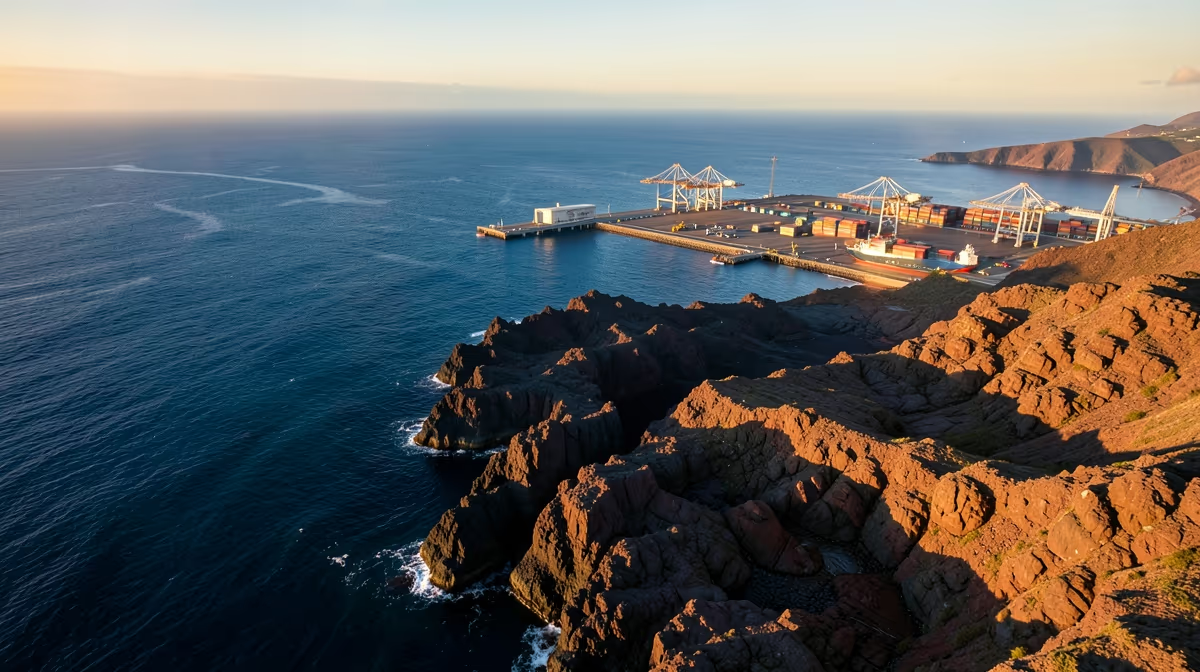
A remote archipelago in the central Atlantic is quietly transforming into a critical node for international security, trade, and cultural visibility. The Cape Verde national football team is drawing international attention as the journey toward the World Cup 2026 intensifies, signaling a broader evolution of this island nation’s status on the world stage.
The Strategic Evolution of a Maritime Pivot
Once known primarily as a picturesque travel destination, the nation of Cabo Verde is shifting its international identity. Located off the coast of West Africa, this archipelago of ten volcanic islands is successfully transitioning from a post-colonial model toward becoming a vital security partner for the United States. Analysts observe that this is not a random occurrence but a calculated move based on the nation's strategic maritime positioning. By serving as a secure mid-Atlantic logistics and intelligence hub, the country is increasingly integrated into the U.S. AFRICOM theater and NATO-aligned security frameworks. This transition from aid-dependency to a service-based blue economy marks a significant departure from its historical context as a colonial stopover in the transatlantic slave trade.
Diplomatic Summits and Economic Integration
The United States and Cape Verde have formally strengthened their bilateral economic and security cooperation following a high-level diplomatic summit held in Praia this week. The talks, which focused on enhancing maritime security and expanding private sector investment, highlight a shared commitment to regional stability. U.S. officials representing the Department of State discussed the Compact II initiative under the Millennium Challenge Corporation. This framework is specifically designed to modernize the nation's energy infrastructure, which is considered essential for its long-term fiscal independence. By leveraging the African Growth and Opportunity Act, both nations aim to increase exports and facilitate American investment in the local tourism and blue economy sectors, reducing reliance on traditional imports.
Security Architecture in the Atlantic Corridor
Security cooperation remains a primary pillar of the partnership between the two nations. The United States has pledged additional resources for the Cape Verdean Coast Guard to bolster efforts in combating narcotics trafficking and human smuggling. U.S. Ambassador to Cape Verde, Jennifer Adams, recently noted that the enduring partnership continues to evolve, reflecting shared values of democracy and the recognition of the archipelago as a beacon of stability. This collaboration is viewed by experts as a necessary counter-balance to rising maritime competition in the Atlantic basin. By securing key transit corridors, the nation is positioning itself as a reliable hub for collaborative efforts in environmental protection and economic development, shielding the region from potential political volatility.
From Volcanic Landscapes to Sporting Ambitions
While geopolitics occupy the minds of state officials, the cultural profile of the islands is being elevated through sports. The Cape Verde national football team is currently a central focus of excitement among fans as the qualification rounds for the World Cup 2026 approach. This sudden fascination with the national team has prompted global interest, with fans questioning the likelihood of high-profile matchups. Despite rumors of potential games against major footballing nations like Argentina, the focus remains firmly on the team's rigorous qualification path within the CAF framework. This sporting visibility serves as a soft-power tool, drawing global attention to the islands' unique blend of African and Portuguese cultures and their emerging role as a democratic model.
Future Outlook and Development Trajectory
The next 24 to 72 hours will likely see routine bilateral diplomatic dialogue, with a specific focus on maritime security cooperation and climate change adaptation initiatives. The U.S. Department of State and USAID are expected to continue monitoring transatlantic flight logistics and pending updates on U.S.-funded capacity-building projects for the nation's port authorities. Expert predictions suggest a strengthening of the Strategic Partnership framework, particularly regarding regional security stability. While the best-case scenario involves the successful negotiation of new climate-resilience grants and increased investment in renewable energy, there remains the risk of bureaucratic delays in the disbursement of existing development funds. Nevertheless, the trajectory for the archipelago remains focused on modernization and regional integration.
Fact Checking the Regional Landscape
For those engaging with the nation, it is important to distinguish between emerging geopolitical realities and the foundational facts of the archipelago. Cape Verde gained its independence from Portugal in 1975 and has since established itself as a multi-party democracy with a stable political climate. The official language is Portuguese, though the majority of the population speaks the creole language known as Caboverdiano. The islands are geographically diverse, offering everything from quiet, dramatic mountain trails to bustling urban centers like the capital city, Praia. As the nation continues to modernize, it remains an essential partner for U.S. interests, bridging the gap between North and West Africa while maintaining a commitment to human rights and democratic governance.
Frequently Asked Questions
Is Cape Verde a safe place to visit for tourists?
Cape Verde is generally considered a safe destination for international travelers with low rates of violent crime. Visitors should still exercise standard precautions, particularly in busy tourist areas or at night, to avoid petty theft.
Do US citizens need a visa to travel to Cape Verde?
US citizens can visit Cape Verde for tourism purposes for up to 30 days without a visa. However, travelers are required to complete a pre-arrival registration form online through the EASE platform at least five days before their flight.
What is the best time of year to visit Cape Verde?
The best time to visit Cape Verde is between November and April when the weather is consistently warm and dry. This period is ideal for beach activities and water sports, avoiding the occasional rainy spells that occur in late summer.
What language is spoken in Cape Verde?
The official language of Cape Verde is Portuguese, which is used for government and educational purposes. In daily life, most locals speak Cape Verdean Creole, a Portuguese-based language, though English is increasingly understood in major tourist hubs.
Is Cape Verde expensive to visit?
Cape Verde can be quite affordable compared to many other island destinations, depending on your travel style. While imported goods and luxury resort amenities can be pricey, local markets, public transportation, and traditional guesthouses offer budget-friendly options.
What is the currency used in Cape Verde?
The official currency of Cape Verde is the Cape Verdean Escudo. While some hotels and upscale restaurants may accept Euros, it is highly recommended to exchange currency or use local ATMs for daily expenses in smaller towns.
Conclusion
Cape Verde is currently navigating a period of significant geopolitical and cultural elevation. Through the framework of the Millennium Challenge Corporation and ongoing security initiatives, the archipelago is solidifying its role as a stable and strategic U.S. partner in the Atlantic corridor. Simultaneously, the success of the national football team is expanding the nation’s visibility, providing a platform for growth in tourism and international interest. Moving forward, the focus remains on the implementation of infrastructure and energy projects, with stakeholders closely monitoring the developments in maritime security and regional stability. As the nation balances these strategic goals, it continues to serve as an example of democratic development and resilience within the broader African theater.


.webp)

.webp)
