
Russian Shadow Fleet Operates in UK Waters Under Global Radar
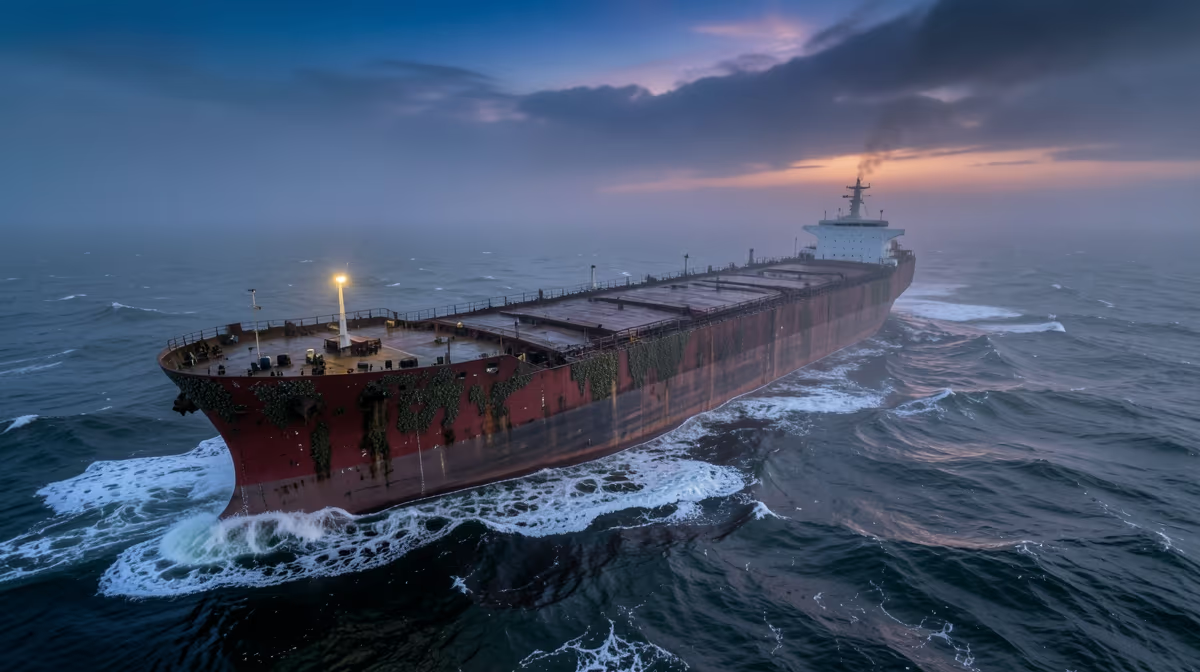
Hidden in plain sight on the world’s busiest maritime corridors, a sprawling network of ageing tankers is quietly undermining global economic efforts to restrict Moscow’s war revenue. The Russian shadow fleet continues to pose a significant challenge to international authorities as the UK and allies tighten Russian oil sanctions in a bid to choke the funding pipeline for the ongoing conflict in Ukraine.
The Anatomy of Shadow Fleet Operations
The term shadow fleet refers to a collection of hundreds of aging oil tankers that Russia is using to bypass international sanctions. These vessels often operate without proper insurance, clear ownership, or safety inspections, allowing Russia to keep selling its oil to global markets despite Western attempts to restrict its revenue. Because these vessels often disable their tracking systems and operate in secrecy, they are extremely difficult for authorities to monitor. Many of these ships sail through British waters, posing a significant risk as they are often old and poorly maintained, which increases the potential for catastrophic oil spills that could devastate coastal environments.
The fleet consists of hundreds of tankers often disguised with fake names or complex shell company ownership. These vessels frequently operate without standard Protection and Indemnity insurance, leaving no one liable for clean-up costs in the event of an accident. Furthermore, many ships in the fleet are older than the typical 15-year limit for safe oil transport, and they frequently use ship-to-ship transfers in open water to hide the origin of the oil cargoes.
Implications for Maritime Security and Environmental Risks
This situation creates a major environmental and economic security threat. If one of these uninsurable, aging ships were to crash near the British coast, the resulting oil spill would be an environmental disaster with no clear entity responsible for paying the multi-billion pound clean-up bill. By allowing Russia to skirt global trade rules, the shadow fleet undermines international collective action intended to exert pressure on the Kremlin. The challenge extends to British maritime sovereignty and the enforcement of the rules-based international order in the English Channel and the North Sea.
From an economic perspective, the creation of a parallel, opaque shipping economy degrades global maritime safety standards and creates unfair competition for transparent commercial carriers. Geopolitically, the exploitation of flags of convenience by rogue states undermines NATO’s economic containment strategy. Historically, this mirrors the use of front companies and phantom vessels by Iran in the 1980s and again in the 2010s to bypass international oil embargoes.
Can Global Sanctions Stop the Shadow Fleet?
The UK government is intensifying pressure on this vast armada, which was assembled through offshore shells and anonymous intermediaries specifically to circumvent the G7-imposed price cap on Russian crude oil. By utilizing these dark vessels, Moscow has successfully maintained export volumes despite Western sanctions, effectively insulating parts of its war economy from the intended financial impact.
British maritime experts have warned that the UK’s ability to police these vessels is limited due to the complexities of international maritime law, particularly in territorial waters. Efforts are currently underway between London and its international partners to implement more robust tracking measures and increase the cost of operation for entities linked to the shadow fleet through targeted financial sanctions. The UK is currently weighing new legislative measures to empower port authorities to detain or redirect vessels that cannot provide proof of adequate environmental and third-party insurance.
A Shifting Geopolitical Landscape
The root cause of this phenomenon is the systemic circumvention of G7 price caps and Western maritime insurance sanctions by Russian state-backed entities. Following the 2022 invasion of Ukraine, Western nations implemented comprehensive EU-UK maritime insurance bans on Russian crude. In 2023, the rapid assembly of a shadow fleet through shell companies in hubs like Dubai, Turkey, and Cyprus allowed Moscow to mask the origin of its oil.
Today, the UK Royal Navy and maritime intelligence agencies are shifting toward increased monitoring of dark vessel movements in the English Channel and North Sea. Within the next 72 hours, the UK may initiate heightened diplomatic pressure on flag states identified as facilitating these operations, alongside stricter scrutiny at British ports. Experts suggest that the UK will likely implement tighter reporting requirements for vessels passing through the English Channel, aiming to force operators to disclose insurance details or face port denial.
A spokesperson for the Department for Transport stated that the UK is working closely with international partners to clamp down on the use of deceptive shipping practices to circumvent sanctions, as these vessels pose an unacceptable risk to maritime safety. Maritime analyst Sarah Jenkins noted that the shadow fleet is not just an economic loophole; it is a ticking environmental time bomb waiting to happen in one of the world's busiest shipping lanes.
Frequently Asked Questions
What is the Russian shadow fleet?
The Russian shadow fleet refers to a collection of aging oil tankers that operate outside of Western-regulated insurance and shipping markets. These vessels are used to transport Russian oil to global markets while attempting to circumvent G7 price caps and international sanctions.
Why is the Russian shadow fleet a concern for the UK?
The UK and other maritime nations are concerned because these vessels often lack proper insurance, posing significant environmental risks if an oil spill occurs in British waters. Furthermore, the fleet undermines international efforts to limit Russia's ability to fund its military operations through energy exports.
How do Russian shadow fleet tankers avoid sanctions?
These tankers often utilize opaque ownership structures, frequently changing names and flags to obscure their true origin. By operating without Western Protection and Indemnity insurance, they bypass the requirement for shippers to prove the cargo was purchased below the sanctioned price cap.
Are shadow fleet ships allowed in British waters?
The UK has implemented strict measures to restrict access to British ports for ships suspected of being part of this fleet. While they may still pass through international waters near the UK, the government actively monitors these vessels to ensure they do not facilitate illicit trade.
What is the scale of the Russian shadow fleet?
Estimates suggest the shadow fleet consists of several hundred tankers, many of which were acquired from secondary markets after the invasion of Ukraine. This fleet has grown significantly as Russia has sought alternative methods to maintain its oil revenue despite intense international pressure.
Can the UK stop the Russian shadow fleet?
While the UK cannot unilaterally seize ships in international waters, it works with global partners to enforce maritime regulations and sanction entities that provide services to these vessels. Increased transparency in ship tracking and coordinated diplomatic pressure remain the primary tools for countering the fleet's activities.
Conclusion
The proliferation of the Russian shadow fleet presents a multifaceted threat to both international sanction enforcement and maritime safety. While confirmed efforts by the UK and G7 partners are underway to tighten vessel registration and insurance requirements, the opaque nature of these operations remains a significant hurdle. A best-case scenario involves international coordination leading to a rigorous inspection regime that forces compliance with global safety standards. Conversely, there remains a persistent risk that an unmonitored vessel could cause a significant environmental disaster, overwhelming current response capabilities. As the UK continues to lead efforts at the International Maritime Organization, the immediate focus remains on identifying deceptive practices and mitigating the potential for a catastrophic incident in British waters.


.webp)

.webp)
