
Climate Change Impacts in the US Are Triggering Structural Shifts
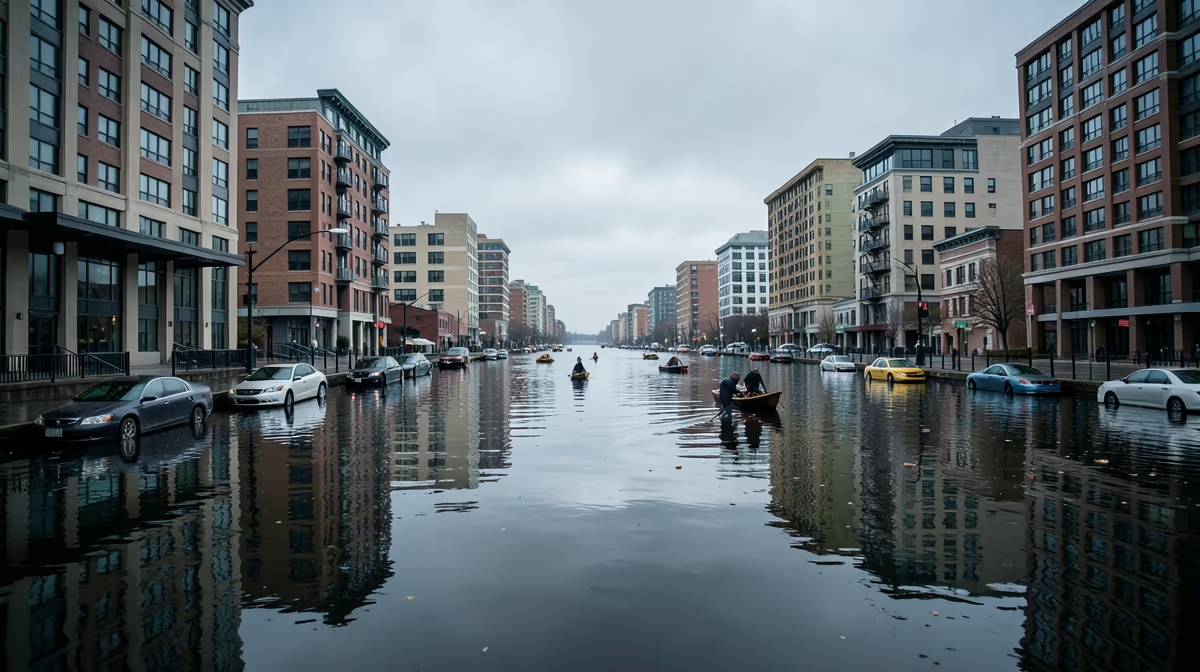
The accelerating frequency of climate change impacts in the US has necessitated a national shift in infrastructure planning and economic forecasting. As weather patterns break historical records with increasing regularity, the stability of the American industrial and domestic landscape is being tested by forces that defy traditional risk models.
A Shifting Environmental Baseline
Climate change functions as an overdrive button for the earth natural systems, caused largely by human activities such as burning fossil fuels and high-emission transport. This excess heat translates into systemic shifts rather than just an occasional bout of bad weather. Since the late 19th century, average global temperatures have risen by about 2 degrees Fahrenheit, creating a new environment where the nation experiences longer, more dangerous heatwaves, intense hurricanes, and widespread droughts. This is not a distant concern; it is a fundamental transformation of the environments we rely upon for food, energy, and housing.
The Economic Fallout
The financial burden of this transition is becoming a structural fixture of the economy. The United States has averaged 18 billion-dollar disaster events annually over the last five years, a statistic that underscores the volatility of current market conditions. These disasters are not isolated incidents but recurring tax on the national economy, inflating the cost of groceries, insurance, and energy. Private insurance markets in climate-vulnerable zones face systemic collapse as the risk of physical destruction exceeds traditional actuarial models. This economic stress is compounded by the devaluation of stranded assets within the fossil fuel sector, forcing a chaotic, and often reactive, shift toward green capital markets.
The Escalating Extreme Weather Economic Impact
From the parched reservoirs of the American Southwest to the encroaching coastlines of the Southeast, climate patterns are shifting more rapidly than municipal planning can accommodate. Coastal sea levels along the Atlantic and Gulf coasts are rising at an accelerated rate, threatening the structural integrity of metropolitan hubs like Miami and New York City. These threats manifest as more frequent storm surges and permanent land loss. Furthermore, the agricultural sector faces significant disruption as traditional growing seasons are altered. The data indicates that changes in weather patterns are directly responsible for volatile food supply chains, creating long-term fiscal instability for local governments struggling to maintain essential services under the pressure of these events.
The Geopolitical and Political Dimension
The polarization of climate policy has frequently functioned as a wedge issue, maintaining regional voting blocs while delaying cohesive federal infrastructure overhauls. While states have begun to form decentralized coalitions to bypass federal gridlock, the broader national strategy remains fragmented. On a global scale, the United States risks its role as an energy hegemon if it fails to secure the rare-earth mineral supply chain necessary for a modern, electrified economy. The failure to pivot effectively allows state-led competitors to gain strategic manufacturing dominance. Meanwhile, there is a quiet mobilization of the military-industrial complex to fortify domestic infrastructure, as federal agencies like the Department of Energy, FEMA, and NOAA prioritize resource security as a matter of national defense.
Building Climate Resilience Through Future Climate Policy
The trajectory for the next decade suggests a steady transition toward more frequent, localized weather events, forcing a pivot from reactive disaster response to proactive resilience investment. Dr. Sarah Miller of NOAA notes that the data is no longer merely theoretical; the physical manifestation of these changes is occurring in real-time across the country. Meteorological agencies are already bracing for immediate impacts, with localized heat advisories and flood warnings issued for the Midwest and Northeast. In the Western US, rising temperatures and dry conditions are necessitating updated resource allocation for wildfire management, a critical task as wildfire seasons become longer and more destructive than in previous decades.
Expert Predictions and Worst Case Scenarios
Looking ahead to the next 72 hours and beyond, experts are monitoring extreme localized weather that threatens energy grid stability. The best-case scenario involves swift, bipartisan legislative movement focused on grid modernization and water conservation. Such actions could mitigate the risk of systemic failure during spikes in temperature or severe storms. Conversely, the worst-case scenario involves the simultaneous failure of regional power grids and severe weather events, which would lead to prolonged displacement and widespread supply chain disruption. Historical parallels, such as the Dust Bowl of the 1930s, remind us that systemic ecological mismanagement, when paired with economic instability, can force massive demographic shifts and necessitate a total restructuring of agricultural and national policy.
Frequently Asked Questions
How does climate change impact the environment in the US?
Climate change in the US is leading to more frequent and intense extreme weather events, such as hurricanes, droughts, and wildfires. Additionally, rising temperatures are shifting ecosystems, threatening biodiversity, and causing sea levels to rise along coastal regions.
What are the long-term effects of climate change on US agriculture?
Rising temperatures and changing precipitation patterns are disrupting traditional growing seasons and crop yields across the US. Farmers face increased risks from heat stress, water scarcity, and the spread of pests and diseases that thrive in warmer climates.
How will climate change affect public health in the United States?
Climate change poses significant risks to public health by increasing the frequency of heat-related illnesses and respiratory issues from poor air quality. It also expands the geographical range of vector-borne diseases like Lyme disease and West Nile virus, which are influenced by changing temperatures and rainfall.
Why is sea level rise a major concern for US coastal cities?
Sea level rise increases the frequency and severity of coastal flooding, which threatens infrastructure, property values, and local economies. Major metropolitan areas like Miami and New York City are particularly vulnerable to storm surges and permanent land loss as ocean levels continue to climb.
What role does climate change play in the severity of wildfires in the West?
Warmer temperatures and reduced winter snowpack lead to drier soil and vegetation, creating ideal conditions for massive wildfires. Climate change extends the fire season in the Western US, making blazes more difficult to control and increasing the scale of destruction each year.
Is climate change causing more severe storms in the United States?
Yes, warmer ocean temperatures provide more energy for tropical storms, often leading to more intense hurricanes with higher rainfall totals. Scientists have observed a trend toward storms that intensify more rapidly, posing greater risks to infrastructure and public safety along US coastlines.
Conclusion
The United States stands at a critical juncture where the physical realities of a warming climate are clashing with existing economic and political frameworks. Confirmed data from federal agencies highlights a clear trend: increasing frequency of billion-dollar disasters, rising sea levels, and compromised infrastructure. As the nation prepares for the immediate challenges of heatwaves and flood risks, the necessity for a shift toward proactive climate resilience has never been more apparent. Moving forward, the focus remains on the efficacy of legislative modernization and the ability of regional entities to adapt to a landscape where environmental volatility is the new norm.


.webp)
