
F1 Sprint Format Changes at British GP Spark New Strategy Debates
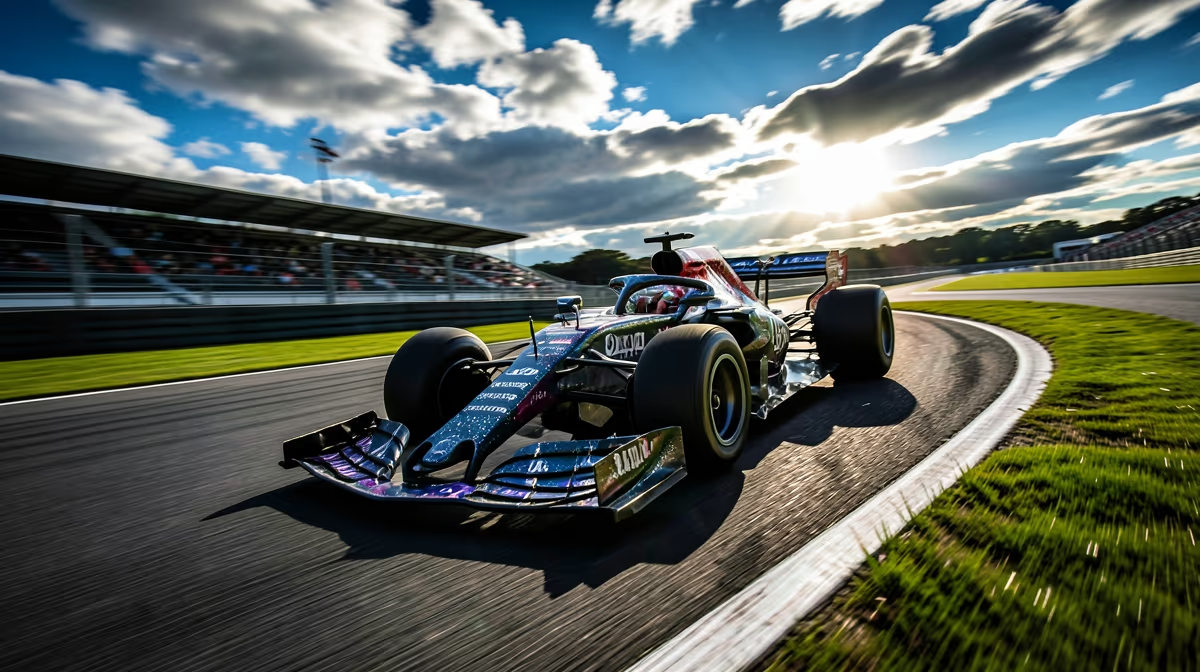
The high-octane world of Formula 1 is undergoing a profound structural evolution as race weekends transition from traditional practice-heavy formats into high-stakes, data-driven spectacles. The F1 sprint format continues to generate excitement as fans look ahead to the upcoming British GP. With the Silverstone sprint race approaching, all eyes are on the grid, including rumors surrounding Kimi Antonelli and his potential involvement in future sessions. As engineers leverage AI-optimized strategies and aerodynamic precision, the competitive landscape is shifting beneath the feet of the world’s most elite racing teams.
The Mechanics of the Sprint Format
At its core, an F1 sprint is a high-speed, condensed race held on the Saturday of a Grand Prix weekend. While a traditional main race spans approximately 300 kilometers, the sprint is limited to 100 kilometers, typically lasting between 25 and 30 minutes. The absence of mandatory pit stops transforms the event into a pure display of performance, where drivers push their machines to the absolute limit from lights out to the checkered flag.
Beyond the raw speed, the sprint serves a vital strategic purpose by awarding championship points to the top eight finishers. First place earns eight points, tapering down to a single point for eighth place. This points structure incentivizes aggressive driving throughout the field. Furthermore, the format dictates the tempo of the entire weekend, forcing teams to finalize car setups significantly earlier than in standard race weekends. With reduced practice time, engineers have less data to process, creating a volatile environment where small, AI-calculated setup advantages can mean the difference between a podium finish and falling out of the points.
Growth and Strategic Intent
The adoption of the sprint format is rooted in a deliberate strategic expansion by Liberty Media, aimed at maximizing the sport's broadcast footprint in emerging markets, particularly South Asia. By replacing a traditional second practice session with a competitive racing event, Formula 1 has successfully transformed Friday and Saturday into high-stakes windows for digital streaming and fan engagement. This shift reflects a move away from reliance on traditional gate receipts toward a model driven by high-margin digital viewership and local sponsorship syndication, targeting the rapid growth of ad-tech and fantasy sports ecosystems.
This modernization effort is not without its historical context. The sport navigated a difficult period between 2011 and 2013 during its initial entry into India, eventually withdrawing due to fiscal friction and bureaucratic disputes. However, the 2024 landscape appears vastly different. Fueled by the popularity of digital platforms and the cultural impact of behind-the-scenes content like Drive to Survive, Formula 1 is now positioning itself as a cultural diplomatic conduit. The inclusion of the sprint format acts as a testing ground for market appetite, setting the stage for a potential permanent return to the high-intensity, premium-tier automotive exposure that major markets in the Indian subcontinent now demand.
The 2024 Racing Calendar and Regulatory Updates
Formula 1 officially confirmed a record-breaking six sprint race weekends for the 2024 season, including the return of the event to the Lusail International Circuit in Qatar and the Shanghai International Circuit in China. Beyond these locations, the sprint calendar encompasses Miami, Austria, Austin, and Brazil, underscoring the series' commitment to intensifying weekend action for a global audience.
The FIA and Formula One Management have refined the regulations for the current calendar year, most notably introducing a new parc fermé structure. This change allows teams to adjust car setups between the sprint race and the main Grand Prix qualifying session, a modification designed to reward risk-taking and incentivize more aggressive racing during the short-format event. The sprint shootout, a separate qualifying session, remains the process by which the grid order for the Saturday sprint is determined. While fans and pundits remain divided on the format, the data indicates that the sprint has maintained consistent fan retention, proving that the additional spectacle aligns with the digital-first consumption habits of modern audiences.
Predicting the Competitive Landscape
Over the next 24 hours, market observers anticipate increased media buzz and social media engagement across India, particularly as fans digest the latest FIA regulation updates regarding point structures. Moving into the 72-hour window, teams and analysts are expected to finalize their strategic models for upcoming sprint weekends. Expectations for increased qualifying drama are already circulating across Indian sports news platforms as teams like those led by Max Verstappen and Lando Norris look to capitalize on the unique demands of the sprint.
From an expert perspective, while the format remains a point of polarization among purist fans, it has undeniably succeeded in driving higher weekend-start viewership numbers. The best-case scenario for the series involves the sprint providing high-octane overtaking and crucial championship points that tighten the title fight, thereby boosting global popularity. Conversely, the worst-case scenario remains the possibility of dull racing, which would continue to frustrate traditionalists and fuel calls for a return to traditional grand prix-only weekends. Ultimately, the future of the format depends on its ability to balance competitive integrity with the need for modern, snackable sports content.
Frequently Asked Questions
What is an F1 Sprint race?
An F1 Sprint is a shorter race held on Saturdays during select Grand Prix weekends that covers a distance of 100 kilometers. It is designed to provide more competitive action for fans compared to the traditional practice sessions.
How do points work in the F1 Sprint?
In an F1 Sprint, points are awarded to the top eight finishers on a scale ranging from eight points for first place down to one point for eighth place. These points contribute toward both the Drivers' and Constructors' World Championships.
Does the F1 Sprint determine the starting grid for the main race?
No, the result of the F1 Sprint no longer determines the starting grid for the Sunday Grand Prix. The grid for the main race is now set by a traditional qualifying session, while the Sprint has its own standalone qualifying session known as the Sprint Shootout.
How many laps is an F1 Sprint race?
The distance of an F1 Sprint is approximately 100 kilometers, which typically results in about 24 to 30 laps depending on the length of the specific circuit. The race is completed without mandatory pit stops, allowing drivers to push at full speed throughout.
Are F1 Sprint weekends different from standard weekends?
Yes, F1 Sprint weekends follow a modified schedule that replaces one of the practice sessions with competitive qualifying or racing. This format creates a more intense weekend where every session from Friday onward carries significant stakes.
Can I watch the F1 Sprint on F1 TV in India?
Yes, fans in India can watch the F1 Sprint races live through F1 TV Pro or via the official broadcasting partners like FanCode. It is recommended to check the local schedule to ensure you catch the session timing for your region.
Conclusion
The evolution of the F1 sprint format marks a strategic pivot toward digital-first, high-intensity sporting consumption. With the 2024 calendar solidified across six major global circuits and regulatory adjustments to parc fermé rules now in place, Formula 1 has established a framework that prioritizes fan engagement and broadcast reach. While ongoing discussions regarding the 2025 season and potential refinements to the points system continue, the format has clearly cemented its role in the sport's growth strategy. For fans in India and beyond, the focus now turns to the upcoming Silverstone weekend, where the interplay of aerodynamic engineering and race strategy will continue to redefine the modern Formula 1 experience.


.webp)
