
Methanol Poisoning Outbreaks Trigger Urgent Warnings Across the UK
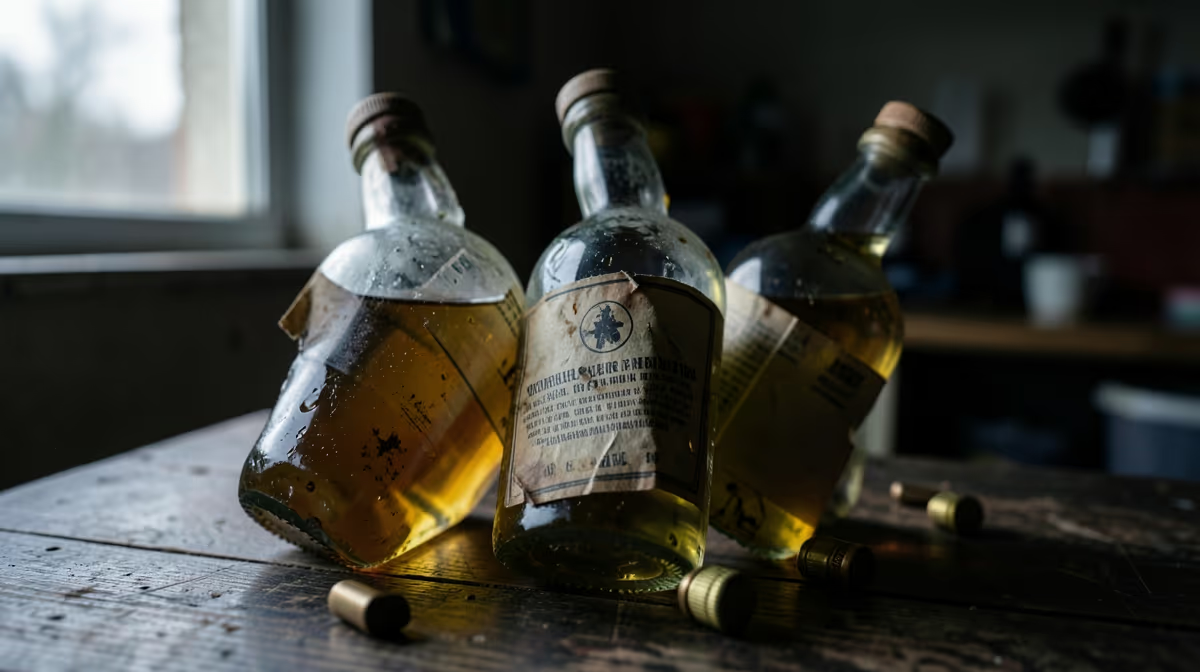
UK health authorities have issued an urgent safety warning across Great Britain following a cluster of severe methanol poisoning cases linked to counterfeit alcohol, resulting in multiple hospitalizations this week. health authorities have issued urgent warnings following recent cases of methanol poisoning linked to contaminated counterfeit alcohol. The Food Standards Agency (FSA) and the UK Health Security Agency (UKHSA) confirmed that patients are receiving critical care after consuming adulterated spirits sold outside of legitimate retail channels. Investigators believe the counterfeit products are being distributed through online marketplaces and rogue convenience stores, bearing fake labels of popular vodka and whiskey brands.
Methanol is a toxic industrial alcohol that can cause permanent blindness, organ failure, and death if ingested. Initial symptoms of poisoning—including dizziness, severe abdominal pain, and blurred vision—often mimic standard alcohol intoxication, frequently leading to dangerous delays in seeking emergency medical attention. Trading Standards officers have launched coordinated raids across several regions in England and Scotland to seize remaining batches of the illicit alcohol. Retailers and members of the public have been strongly advised to check all alcohol purchases and immediately report any suspicious, unsealed, or abnormally cheap bottles to local authorities. Dr. Sterling Vance, consultant in toxicology at the UKHSA, stated that methanol toxicity is a medical emergency where every minute counts, urging anyone who suspects they or a loved one has consumed illicit alcohol and is experiencing visual disturbances or severe nausea to go to A&E immediately.
Underlying Causes and Supply Chain Failures
The current crisis traces back to regulatory blind spots in the denatured alcohol supply chain combined with an underground demand for cheap intoxicating substitutes driven by ongoing cost-of-living pressures. Excise duties on legitimate alcohol incentivize the proliferation of black-market industrial solvent diversions and illicit counterfeiting operations. Furthermore, porous supply chains within the broader European chemical trade allow industrial-grade methanol to cross borders with minimal end-use verification. Historical parallels can be drawn to the 1930s US Prohibition-era denatured alcohol poisonings, where federal mandates requiring toxic additives in industrial alcohol led to thousands of civilian deaths. The timeline of the current outbreak typically begins when industrial methanol is diverted from legitimate chemical chemical supply chains in Europe, bottled as counterfeit spirits, and distributed via social media and local illicit networks in the UK. This leads directly to a cluster of severe hospitalizations presenting with metabolic acidosis and optical damage, prompting public health warnings alongside targeted raids on unlicensed urban bottling operations and ongoing legislative scrutiny over the regulation and tracking of industrial chemical precursors.
Clinical Mechanisms and Toxicological Reality
Methanol poisoning is a serious medical emergency that happens when someone accidentally or intentionally swallows methanol, a toxic type of alcohol. Unlike the alcohol found in drinks, methanol is normally used in products like antifreeze, windshield washer fluid, and certain solvents. When the body breaks down methanol, it turns into dangerous chemicals that can severely damage your organs, particularly your eyes and brain. It is metabolized by the liver into formaldehyde and formic acid, which are extremely poisonous to cells. Early symptoms can feel like a normal hangover, where an individual might experience dizziness, confusion, headaches, or feeling sick to their stomach. However, as the poison takes hold, it can lead to severe breathing difficulties, permanent blindness, and unfortunately, can be fatal if medical help isn't sought immediately. Doctors treat methanol poisoning using specific antidotes and sometimes dialysis to clear the toxins from the blood. Understanding the dangers of methanol is critical because poisoning progresses rapidly and can cause irreversible life-altering damage, such as blindness, within hours. Knowing that household chemicals can be lethal if swallowed helps people store them safely away from children and vulnerable adults, potentially preventing fatal tragedies. Anyone who accidentally ingests industrial products containing methanol, people struggling with severe substance use who might consume non-beverage alcohol substitutes, or individuals involved in consuming illicitly brewed alcohol where methanol contamination has occurred are particularly at risk. Historically, methanol or wood alcohol has long been used in manufacturing and automotive products, with poisoning outbreaks typically spiking during economic hardships when people consume cheap, poorly made bootleg alcohol, or during accidental industrial exposures.
Emergency Response and Institutional Action
Urgent public health warnings have been issued by the Food Standards Agency and NHS regarding contaminated bootleg alcohol, with emergency departments on high alert for symptoms. Over the next 72 hours, law enforcement and Trading Standards will focus on tracing the distribution network, managing potential product recalls, and identifying specific illicit batches. Key players in this coordinated response include the Food Standards Agency, NHS England, the National Crime Agency, and Local Trading Standards. The primary impact areas span public health, law enforcement, hospital emergency services, and consumer safety. Expert predictions suggest swift containment of the specific tainted batch due to coordinated public health messaging, though isolated severe cases will require intensive medical intervention including ethanol therapy or fomepizole. In the best-case scenario, the source of the methanol is identified and removed from circulation immediately with zero further casualties and successful apprehension of suppliers. Conversely, the worst-case scenario involves widespread distribution across multiple regions leading to a surge in fatalities and permanent disabilities, potentially overwhelming regional toxicology units. Political friction between local public health agencies and central government over resource allocation for substance abuse monitoring and illicit market crackdowns further complicates the operational landscape.
Frequently Asked Questions
What are the first signs of methanol poisoning?
Initial symptoms of methanol poisoning often mimic alcohol intoxication, including drowsiness, dizziness, and a lack of coordination. These typically appear between 30 minutes to 30 hours after ingestion, followed later by more severe visual disturbances.
How much methanol is fatal?
Ingesting as little as 10ml of pure methanol can cause permanent blindness by destroying the optic nerve, while 30ml to 240ml can be fatal without prompt medical treatment. The exact toxicity level varies depending on the individual's body weight and overall health.
How is methanol poisoning treated in the UK?
Treatment in NHS hospitals typically involves administering an antidote such as fomepizole or ethanol, which blocks the liver enzymes from converting methanol into toxic byproducts. In severe cases, haemodialysis is used to rapidly filter the methanol and harmful acids from the bloodstream.
Why does methanol cause blindness?
When the body metabolizes methanol, it breaks down into formaldehyde and formic acid, which accumulate in toxic concentrations. Formic acid specifically targets the optic nerve and retina, leading to severe, often irreversible vision loss.
Can you get methanol poisoning from hand sanitiser?
Yes, accidental or intentional ingestion of unregulated hand sanitisers containing methanol has led to serious poisoning cases. It is vital to only use products approved by health authorities and keep them away from children.
What should you do if you suspect methanol poisoning?
If you suspect someone has ingested methanol, call 999 immediately for emergency medical assistance or NHS 111 for advice. Do not attempt to induce vomiting unless specifically instructed to do so by medical professionals.
Conclusion
Verified developments confirm that multiple individuals have been hospitalized with confirmed methanol toxicity in Great Britain after consuming counterfeit alcohol bearing fraudulent labels of established brands. The Food Standards Agency and UKHSA are actively coordinating the public health response, while Trading Standards has seized suspected batches during regional raids. Realistic next steps involve ongoing investigations into the full distribution network, tracing the source of the industrial methanol, and determining whether additional tainted batches remain in circulation across retail supply chains. Authorities continue to urge vigilance and immediate medical attention for anyone presenting with symptoms after consuming unverified alcohol products.


