
Oil Tanker Blast Shakes Vital Energy Corridor As U.S. Navy Responds
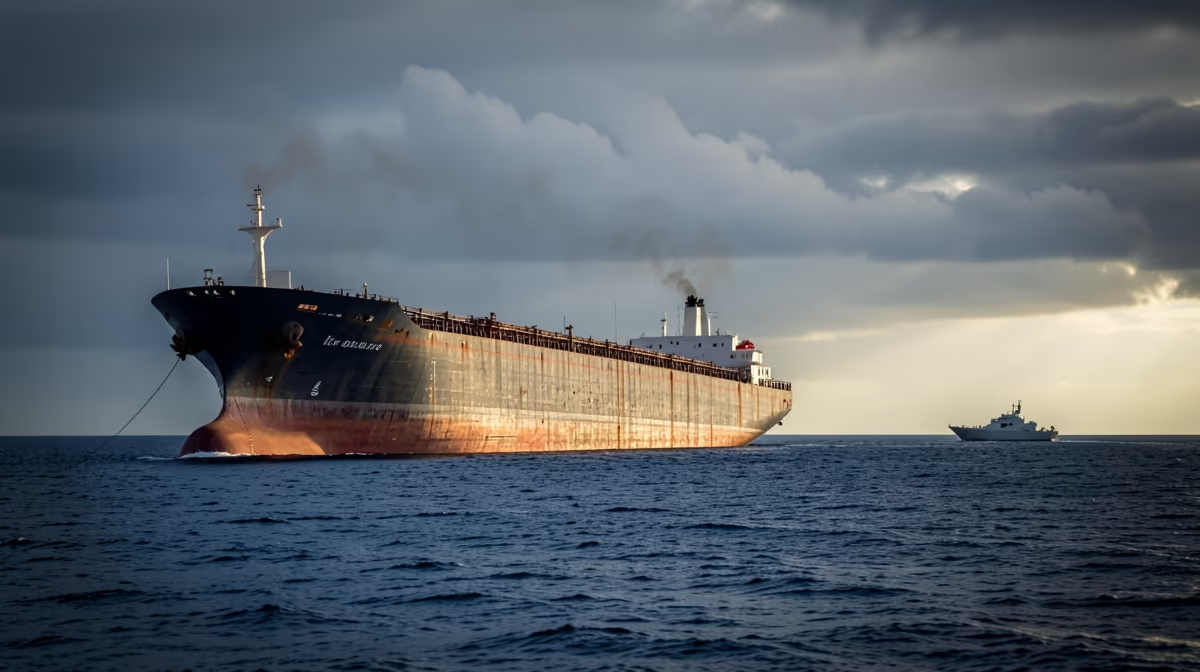
A Liberian-flagged oil tanker suffered minor damage following an unexplained explosion off the coast of Oman on Thursday, prompting the U.S. Navy's Fifth Fleet to dispatch security assets to the region to ensure maritime safety and investigate potential security threats. As an oil tanker has reportedly exploded in a critical maritime chokepoint, sending shockwaves through global energy markets and raising immediate concerns over regional security, international observers and energy participants are reassessing the fragility of oceanic transit routes. The incident occurred approximately 50 nautical miles off the port city of Duqm, according to United Kingdom Maritime Trade Operations. Initial reports indicate that the vessel's hull sustained localized damage above the waterline, but no injuries have been reported among the 22 crew members on board. The tanker, carrying a full cargo of crude oil from the Persian Gulf, was able to maintain propulsion and is currently navigating under its own power toward a secure anchorage.
What Unfolded
U.S. naval forces operating in the Middle East have increased surveillance in the area as commercial shipping lanes remain on high alert. Regional tensions have heightened concerns regarding maritime security, particularly given the strategic importance of Gulf waterways for global energy supplies. Industry analysts note that while commercial traffic has not been officially rerouted, vessel operators are reviewing security protocols in response to the event. Maritime authorities and salvage experts are coordinating with the vessel's management company to conduct a thorough inspection upon arrival at the designated port. Neither regional military commands nor intelligence agencies have yet attributed the blast to a specific hostile act, pending forensic analysis of the damage sustained by the hull. The vessel was struck by an unknown force resulting in minor structural damage, all crew members are safe, and the ship is currently proceeding to a secure location under its own power while authorities track the exact cause of the explosion, the origin of any potential device or projectile, and the official findings of the ongoing naval and maritime safety investigation.
Key Verified Facts
A major oil tanker incident occurred in international waters off Oman, capturing national and international attention as emergency responders and maritime authorities were immediately dispatched to the scene to manage the situation, secure the vessel, and prevent any potential environmental hazards. Authorities are working around the clock to investigate the cause of the incident while ensuring the safety of nearby coastal communities and marine life. Early reports suggest that local traffic in the area may be temporarily disrupted as cleanup and inspection procedures get underway. No injuries were reported among the 22 crew members aboard the vessel, which sustained minor hull damage above the waterline but retained propulsion. The U.S. Navy Fifth Fleet deployed assets to assist and monitor the situation, while authorities continue actively monitoring for any potential environmental impact.
Why This Matters
Incidents involving commercial petroleum shipping are critical because these massive vessels carry massive amounts of fuel, raising immediate concerns about environmental safety, marine ecosystems, and potential disruptions to the national and global energy supply chain. The root cause of these ongoing market jitters stems from a structural global energy dependency coupled with vulnerabilities in critical maritime choke points and aging maritime logistics fleets. The economic angle involves volatility in freight rates, insurance premiums, and hedging strategies driven by supply chain disruptions and transit rerouting around high-risk zones. From a political and geopolitical perspective, the incident highlights the bipartisan weaponization of energy corridors, sanctions enforcement, domestic pressure to balance fuel prices against strategic national security objectives, shifting alliances in the OPEC plus framework, and the enforcement of unilateral sanctions against shadow fleets. Furthermore, the rapid expansion of the clandestine dark fleet operating outside international regulatory oversight increases environmental disaster risks in coastal waters, drawing historical parallels to the 1980s Tanker War during the Iran Iraq conflict, which forced naval escorts to protect commercial energy transit in the Persian Gulf.
Short-Term Outlook
The next 24 hours will see the Coast Guard increase monitoring of coastal waterways and key port approaches following elevated threat reports regarding oil tanker security. Within the next 72 hours, energy firms are expected to adjust scheduling and routing for domestic oil tankers, while shipping associations issue updated cybersecurity and physical defense advisories. Key players managing this response include the U.S. Coast Guard, the Maritime Administration, major energy corporations, and tanker operators overseeing traffic across the Gulf of Mexico, the Houston Ship Channel, New York Harbor, and broader domestic energy markets. Expert prediction suggests that heightened vigilance will persist with minimal disruption to actual crude flows, though compliance costs for tanker operators are expected to rise. In the best-case scenario, security alerts are resolved swiftly without any operational delays or incidents, maintaining stable domestic fuel prices. Conversely, the worst-case scenario involves a confirmed security breach or targeted disruption forcing temporary port closures and causing a sharp, short-term spike in regional energy prices.
Frequently Asked Questions
What is an oil tanker?
An oil tanker is a specialized ship designed for the bulk transport of crude oil or its refined products. These massive vessels are crucial for moving petroleum across oceans from production sites to refineries.
How much does an oil tanker cost?
The cost of building a new oil tanker varies significantly based on its size and specifications, typically ranging from $50 million to over $120 million. Very Large Crude Carriers sit at the higher end of this price spectrum due to their immense capacity.
How many oil tankers are in the world?
There are thousands of active oil tankers operating globally, with the exact number fluctuating based on new constructions and retirements. The global fleet includes various size categories, ranging from small coastal vessels to massive supertankers.
What are the different sizes of oil tankers?
Oil tankers are categorized using the Average Freight Rate Assessment system, which ranges from General Purpose tankers to Very Large Crude Carriers and Ultra Large Crude Carriers. Each size class is suited for specific trade routes, port limitations, and cargo volumes.
How fast do oil tankers travel?
Most commercial oil tankers travel at an average cruising speed of 10 to 15 knots, which translates to roughly 11 to 17 miles per hour. This economical speed helps maximize fuel efficiency during long ocean voyages.
Who owns the largest oil tankers?
The world's largest oil tankers are typically owned or chartered by major international shipping companies, energy conglomerates, and state-owned shipping enterprises. Nations like Greece, China, and Japan possess some of the largest tanker fleets in the industry.
Conclusion
The recent incident involving a Liberian-flagged vessel off the coast of Oman underscores the enduring security vulnerabilities inherent in global maritime trade and energy transport. While the affected oil tanker sustained only minor damage and all crew members remain safe, the event has triggered heightened naval surveillance, increased vigilance among commercial operators, and a renewed focus on safeguarding critical shipping lanes. Authorities and maritime agencies continue their forensic investigations to determine the exact cause of the blast. Realistic next steps involve ongoing vessel inspections upon arrival at secure anchorages, continued coordination between naval task forces and commercial operators, and the implementation of adaptive security protocols to maintain the stability of international petroleum shipping without causing systemic disruptions to global energy markets.


