
Red Sea Tanker Shipping Threats Trigger Urgent UK Market Alarms
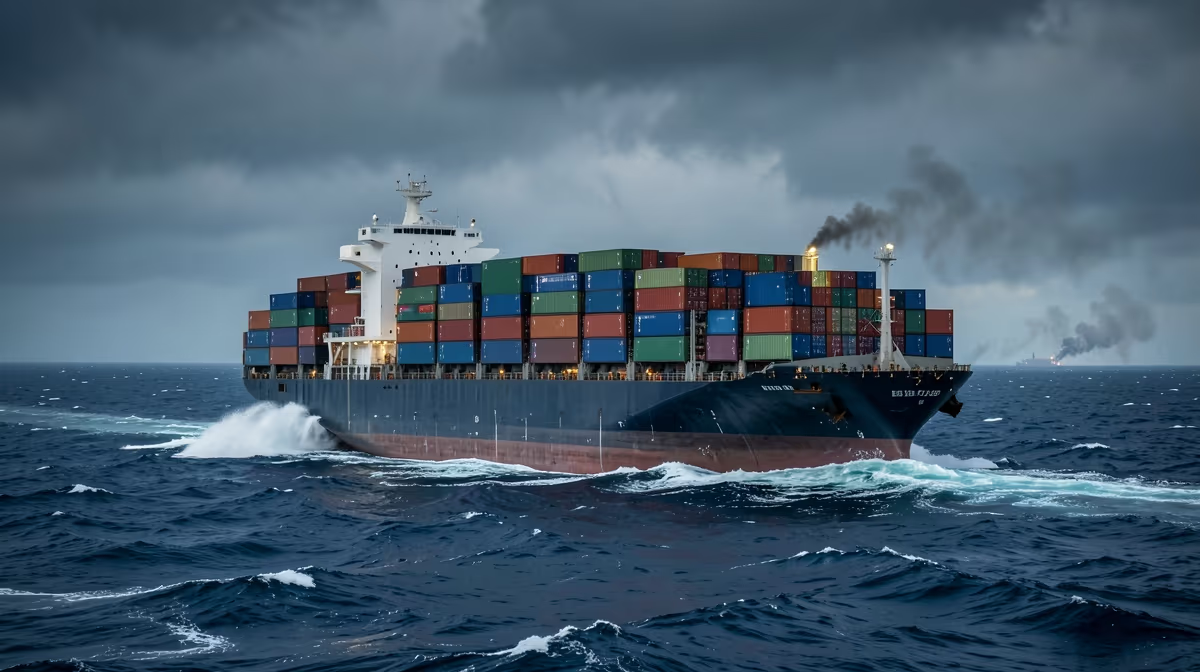
British maritime authorities confirmed on Tuesday that commercial shipping through the Red Sea faces heightened security threats, as ongoing militant attacks from Yemen continue to disrupt vital global trade routes and prompt emergency naval escorts. The ongoing crisis involving red sea tanker shipping threats continues to disrupt global supply chains, forcing commercial vessels to reroute around Africa. Ships carrying goods and oil are facing serious danger in the Red Sea, a crucial shortcut for global trade. Militant groups based in Yemen have been launching attacks using drones and missiles on commercial vessels passing through this narrow waterway. Because of these threats, many shipping companies are deciding to avoid the area altogether. Instead of taking the quick route through the Red Sea and the Suez Canal, ships are now forced to sail all the way around the southern tip of Africa. This massive detour adds thousands of miles and weeks of travel time to journeys between Asia and Europe, disrupting supply chains globally.
The Strategic Importance of the Bab al-Mandab Strait
The Red Sea route through the Suez Canal is one of the busiest maritime trade arteries in the world, handling about 12 percent of global trade. The current crisis escalated significantly following the outbreak of the Israel-Hamas conflict, with regional groups using shipping attacks to exert geopolitical pressure. Houthi militants in Yemen are targeting commercial shipping in the Red Sea using drones, missiles, and hijacked vessels. Major shipping companies have suspended Red Sea transit to protect crews, diverting vessels around the Cape of Good Hope, which adds weeks to voyages. British and international navies have deployed warships to protect these trade routes, but the structural failure of international deterrence mechanisms in securing vital maritime choke points amidst asymmetrical warfare remains a core challenge. The timeline of this disruption includes the Houthi seizure of the Galaxy Leader cargo ship in late 2023, the formation of Operation Prosperity Guardian and initial UK-US airstrikes in early 2024, and the persistent disruption of commercial shipping lanes forcing permanent Cape of Good Hope detours into late 2024 and beyond.
How Maritime Security Forces are Responding to Attacks
The escalating crisis in the Bab el-Mandeb strait has forced numerous British-flagged and international tankers to reroute around the Cape of Good Hope, adding significant transit time and fuel costs to voyages between Asia and Europe. Shipping firms report that the disruption is severely impacting supply chains, particularly regarding energy imports and consumer goods destined for UK ports. In response to the persistent danger, the Royal Navy maintains a robust presence in the region under Operation Prosperity Guardian, working alongside international allies to intercept incoming drones and anti-ship missiles. Defence officials have reiterated warnings to commercial captains to exercise extreme caution when navigating these perilous waters. Insurance premiums for voyages through the Red Sea have skyrocketed to unprecedented levels, placing a heavy financial burden on operators. Industry leaders are calling for enhanced intelligence-sharing between governments and private maritime security firms to better protect merchant crews. A UK Chamber of Shipping spokesperson stated that the safety of seafarers remains an absolute priority, with organizations working closely with the government to ensure robust protections are in place along this critical maritime corridor.
Economic Fallout and Market Pressures
When ships take weeks longer to deliver cargo, the cost of transporting goods skyrockets. These delays and higher shipping expenses eventually translate into more expensive everyday items, electronics, and energy supplies for people shopping in the UK and around the world. British consumers face higher prices, UK businesses wait on imported goods and manufacturing parts, and energy companies deal with delayed oil and gas shipments. Escalating maritime insurance premiums, forced re-routing around the Cape of Good Hope, and localized supply chain bottlenecks are driving up UK import costs. Although the UK sources a relatively small direct share of its oil and liquefied natural gas from the immediate region, global energy markets are highly interconnected. Delays in tanker shipments and the added costs of circumnavigating Africa drive up global crude oil and gas prices. Consequently, British motorists and households face rising fuel costs at the pump and increased energy bills. Furthermore, extended shipping times create bottlenecks at major British container ports like Felixstowe and Southampton, leading retailers relying on timely inventory arrivals from Asian manufacturing hubs to experience stock shortages and logistical delays during peak shopping seasons.
Geopolitical and Strategic Dimensions
London is currently balancing domestic inflation anxieties with traditional commitments to freedom of navigation and alliance solidarity with Washington. This dynamic highlights the erosion of Western naval hegemony and the emergence of multi-polar regional deterrence deficits in the Middle East. At the same time, a hidden angle involves the covert exploitation of maritime insecurity by shadow-fleet operators carrying sanctioned Russian hydrocarbons under the cover of regional chaos. This situation draws a clear historical parallel to the 1980s Tanker War during the Iran-Iraq conflict, where third-party shipping became collateral damage in regional power struggles. Intelligence sharing and naval patrols continue to evolve as international coalitions assess threat levels in the Bab el-Mandeb strait following persistent militant posturing.
Outlook and Future Scenarios
In the next 24 hours, expect continued Royal Navy patrols and intelligence sharing with commercial shipping to assess immediate threat levels in the Bab el-Mandeb strait following recent Houthi posturing. Over the next 72 hours, there is potential for the implementation of updated UK Maritime Trade Operations advisory routes and increased insurance risk premiums for British-flagged or linked vessels transiting the Red Sea. Shipping lines associated with the UK will maintain a high degree of caution, likely favoring longer African cape routes for non-urgent cargo while relying on naval escorts for critical energy shipments. In a best-case scenario, successful coalition deterrence prevents any successful attacks on UK-linked tankers, allowing the normal flow of goods with minimal disruption to the UK supply chain. Conversely, the worst-case scenario involves a successful strike on a UK-affiliated tanker leading to the immediate suspension of British commercial transit through the Red Sea, causing a spike in global energy prices and UK fuel inflation.
Frequently Asked Questions
Why are red sea tanker shipping threats a major concern for the UK?
The Red Sea is a vital global trade artery connecting Asia and Europe via the Suez Canal, through which a significant portion of the UK's consumer goods and energy supplies pass. Disruptions caused by militant attacks force vessels to reroute around Africa, drastically increasing transit times and shipping costs for British importers. This ultimately leads to higher inflation and supply chain delays for everyday goods in the UK.
What is causing the shipping disruptions in the Red Sea?
The current maritime crisis is primarily driven by drone and missile attacks launched by Houthi forces from Yemen against commercial vessels. These groups claim their actions are in solidarity with Palestinians in the Gaza conflict, targeting ships perceived to have ties to Israel, the US, or the UK. Despite international naval coalitions patrolling the area, these persistent security threats continue to endanger merchant crews and vessels.
How are shipping companies responding to the Red Sea security crisis?
In response to ongoing attacks and escalating insurance premiums, major container lines and tanker operators have suspended transits through the Bab el-Mandeb strait. Instead, ships are diverting around the Cape of Good Hope at the southern tip of Africa. While this alternative route avoids the high-risk conflict zone, it adds thousands of miles to the journey and weeks to delivery schedules.
Are UK naval forces involved in protecting Red Sea shipping?
Yes, the Royal Navy has deployed warships, such as HMS Diamond, to the region as part of Operation Prosperity Guardian and independent UK-led efforts. These deployments aim to intercept incoming drones and ballistic missiles, ensuring freedom of navigation and protecting international merchant shipping. The UK works closely with US and regional allies to deter threats and maintain maritime security.
How do red sea tanker shipping threats impact UK fuel and energy prices?
Although the UK sources a relatively small direct share of its oil and liquefied natural gas from the immediate region, global energy markets are highly interconnected. Delays in tanker shipments and the added costs of circumnavigating Africa drive up global crude oil and gas prices. Consequently, British motorists and households face rising fuel costs at the pump and increased energy bills.
Will the Red Sea shipping crisis affect holiday shopping in the UK?
Extended shipping times caused by the African detour can create bottlenecks at major British container ports like Felixstowe and Southampton. Retailers relying on timely inventory arrivals from Asian manufacturing hubs often experience stock shortages and logistical delays during peak shopping seasons. Businesses may pass these increased freight and warehousing costs onto consumers, impacting retail prices.
Conclusion
Commercial tankers and shipping lanes in the Red Sea continue to face significant security challenges driven by persistent militant attacks from Yemen. These disruptions have forced widespread vessel rerouting around the Cape of Good Hope, driving up transit times, maritime insurance premiums, and import costs for the UK and global markets. While the Royal Navy and international coalition partners maintain an active defensive posture under operations like Prosperity Guardian to protect merchant vessels and intercept incoming threats, supply chains remain vulnerable. Industry operators and defense authorities are expected to maintain strict cautionary protocols, relying on naval escorts and long-haul alternative routes until maritime security in the Bab el-Mandeb strait is fully restored.


