
Russian Shadow Fleet Operations Are Rewriting Global Energy Rules
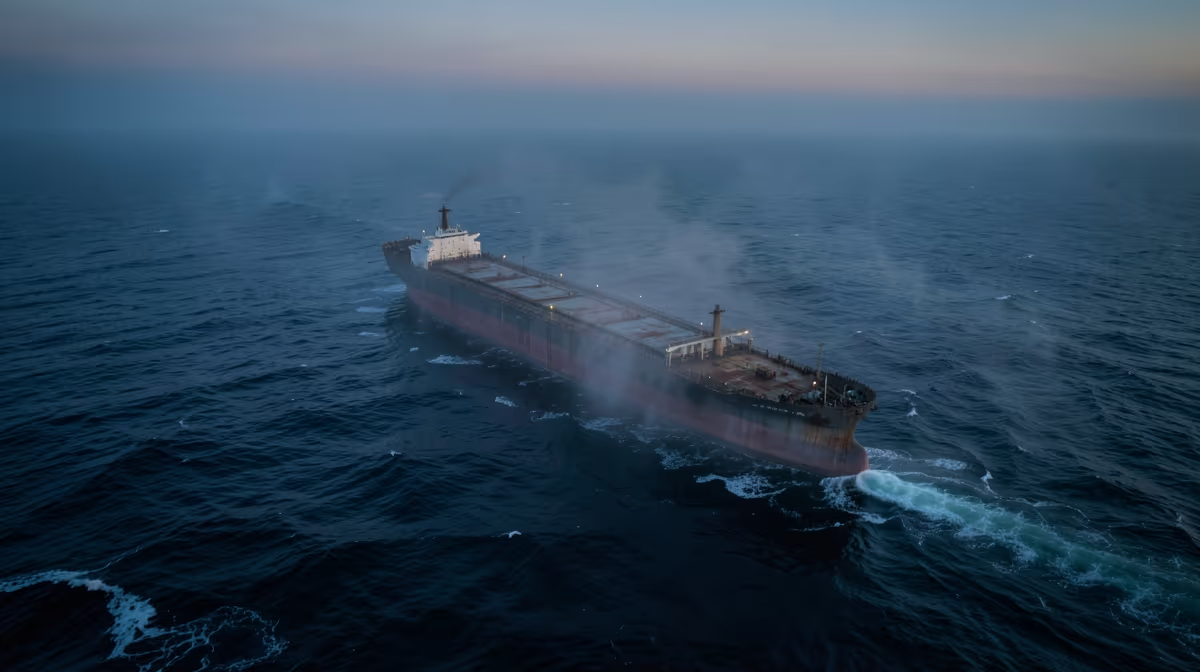
Deep beneath the surface of international maritime trade, a clandestine network of aging oil tankers is currently rewriting the rules of global logistics to keep Russian crude flowing across the seas. The rapid expansion of the Russian shadow fleet has become a focal point of international maritime security, as vessels operate outside standard regulatory frameworks to bypass energy sanctions and ensure a steady stream of revenue for Moscow.
The Anatomy of an Illicit Network
The Russian shadow fleet consists of hundreds of vessels, many of which have surpassed the typical fifteen-year operational lifespan for standard commercial tankers. Following the full-scale invasion of Ukraine in 2022, the G7 and EU imposed a sixty-dollar-per-barrel price cap on Russian oil to restrict state revenue. In response, Russia pivoted to building a clandestine logistical network to circumvent these constraints.
These ships are frequently purchased by anonymous shell companies based in jurisdictions with lax oversight, such as the United Arab Emirates, India, and Hong Kong. By utilizing these opaque ownership structures, the fleet avoids the transparency requirements necessary to enforce sanctions. Because mainstream global shipping companies and established insurance providers often refuse to deal with Russian oil due to war-related restrictions, these vessels operate without standard Western insurance or maritime certifications. Instead, they rely on unrated or state-backed entities, creating a significant regulatory vacuum.
Operational Tactics in the Dark
The daily operations of this fleet represent a fundamental departure from established maritime norms. Satellite imagery and shipping data confirm that these tankers frequently disable their Automatic Identification System transponders when approaching Russian ports or engaging in illicit activities. This practice, known as dark activity, allows vessels to obscure their movements from maritime authorities and international monitors.
Beyond switching off tracking equipment, these vessels frequently perform ship-to-ship transfers in international waters. By moving cargo from one tanker to another at sea, these operators can effectively mix Russian barrels with legitimate supplies, masking the true origin of the crude before it reaches global markets. This maneuver creates a parallel shipping universe, making it increasingly difficult for regulators to impose targeted penalties on the ultimate beneficial owners of the cargo.
Economic and Environmental Risks
The emergence of this two-tier global oil market creates profound risks for the international community. On an economic level, the fleet undermines the effectiveness of the G7 price cap, which was designed to limit Russia’s ability to finance military operations while preventing a total collapse of global energy supply. By bypassing the Western financial infrastructure and dollar-denominated trade, this network threatens the hegemony of existing financial mechanisms like SWIFT and fosters an alternative insurance ecosystem.
From an environmental standpoint, the situation is increasingly precarious. The reliance on aging, poorly maintained vessels that lack robust, independent insurance coverage poses a severe threat to international waters. Should a major collision or oil spill occur, there is no clear legal or financial framework to hold these shell entities accountable for cleanup costs or environmental liability. The maritime community fears that a catastrophic accident could trigger a geopolitical crisis, potentially forcing Western nations to move toward more aggressive, blockade-style enforcement.
The Geopolitical Dimension
The weaponization of trade logistics by Russia has eroded maritime norms and challenged the efficacy of economic statecraft. By utilizing opaque jurisdictions and offshore corporate veils, the network effectively launders energy revenues into complex asset portfolios that remain largely untraceable. This geopolitical maneuver has effectively weaponized the supply chain, as Russia seeks to build economic dependency among non-aligned nations while simultaneously eroding the influence of G7 sanctions.
Maritime experts describe this as the most significant challenge to sanction enforcement in decades. The situation is historically reminiscent of the Tanker War during the 1980s Iran-Iraq conflict, where vessels were similarly utilized as political leverage and economic shields. Today, the scale is larger, and the implications for global energy market volatility are more acute. Western authorities are now under increasing pressure to leverage insurance requirements to force these vessels into clearer visibility, though a total shutdown of the network remains unlikely due to consistent global demand for discounted energy.
Future Outlook and Monitoring
In the next twenty-four hours, we expect to see intensified monitoring of dark-vessel AIS signals across the Baltic and Mediterranean by Western intelligence agencies. This shift follows renewed pressure from the G7 to tighten compliance among maritime insurers. Over the next seventy-two hours, diplomatic friction is likely to escalate, particularly regarding the passage of aging tankers through the Danish Straits. Authorities may increasingly seek inspection requests for these vessels, further complicating the transit routes used by the shadow fleet.
Looking toward the long term, the expert consensus suggests a gradual tightening of operations as Western authorities leverage insurance restrictions to force transparency. While a catastrophic environmental event remains a worst-case scenario, the best-case outcome involves the establishment of a mandatory global tracking framework that could mitigate risks without triggering a major spike in energy prices. For now, the fleet continues to operate as a defiant, shadowy infrastructure, permanently altering the landscape of international maritime security.
Frequently Asked Questions
What is the Russian shadow fleet?
The Russian shadow fleet consists of a vast network of aging oil tankers operating outside of standard Western insurance and shipping regulations. These vessels are used by Russia to export crude oil and petroleum products globally while bypassing international sanctions and the G7 price cap.
Why does Russia use a shadow fleet to transport oil?
Russia utilizes this fleet to maintain its primary source of state revenue despite strict Western sanctions imposed following the invasion of Ukraine. By using non-Western insurers and secretive ownership structures, they avoid compliance with the sixty-dollar-per-barrel price cap established by the G7 nations.
How do shadow fleet tankers operate?
These tankers often engage in ship-to-ship transfers in international waters to disguise the origin of the oil and hide its final destination. They frequently turn off their Automatic Identification Systems to evade tracking and obscure their movements from maritime authorities.
What are the environmental risks of the Russian shadow fleet?
The primary risk involves the use of older, poorly maintained vessels that often lack proper international insurance coverage. If a major oil spill were to occur involving one of these ships, there is no clear legal or financial framework to hold owners accountable for the resulting environmental cleanup costs.
Is the Russian shadow fleet illegal?
While the act of transporting oil is not inherently illegal, these vessels operate in a regulatory gray area by violating Western-imposed sanctions and insurance mandates. Many of these ships use deceptive practices to circumvent international law, making them the subject of increasing scrutiny by global maritime regulators.
How are countries responding to the Russian shadow fleet?
Various nations and the European Union have implemented stricter monitoring of these vessels and are pressuring flag states to crack down on improper maritime registrations. Additionally, Western governments are increasing transparency requirements for insurers to ensure that ships carrying Russian oil are compliant with existing price cap policies.
Conclusion
The proliferation of the Russian shadow fleet represents a sophisticated attempt to decouple Russian energy exports from Western financial oversight. By creating a clandestine logistical layer, Moscow has successfully maintained significant export volumes despite international pressure. While verified data confirms the scale of this operation—including the use of aging tankers, ship-to-ship transfers, and disabled tracking systems—the long-term stability of this network remains uncertain. As Western nations move to close regulatory loopholes and tighten insurance requirements, the shadow fleet faces increasing logistical hurdles. The ongoing tension between global energy demand and the necessity of enforcing maritime law ensures that this shadow network will remain a critical, and volatile, element of the global geopolitical landscape for the foreseeable future.


.webp)
