
shadow-fleet-tankers-maritime-security-threat
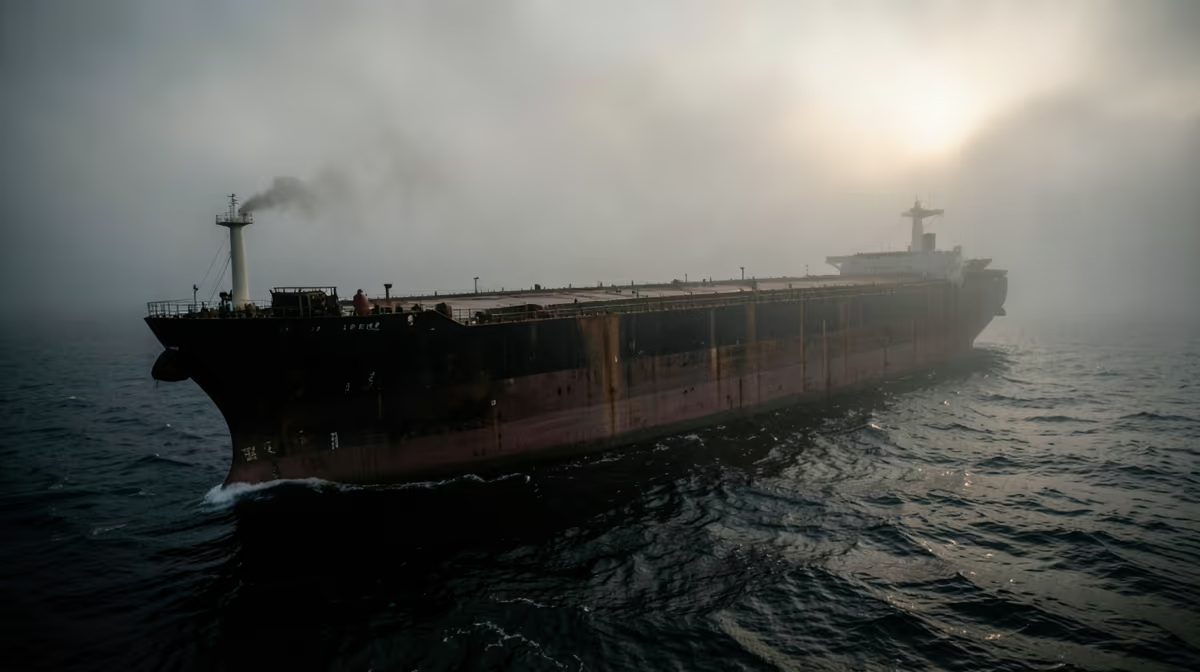
A clandestine network of aging tankers is silently navigating the world’s most critical maritime corridors, fundamentally altering the stability of global energy markets while bypassing international law. This growing shadow fleet, comprised of vessels often operating without adequate insurance or regulatory oversight, has transformed into a major point of friction for international policy and a looming threat to maritime security.
The Mechanics of Evasion
The shadow fleet functions through a complex web of shell companies and deceptive navigational practices. At its core, the phenomenon is a systemic response to the G7 price caps and Western maritime insurance exclusions implemented following the 2022 invasion of Ukraine. To maintain fossil fuel revenue flows, sanctioned states began amassing a fleet of older, often substandard tankers that operate entirely outside the conventional maritime system.
These vessels frequently engage in what is known as going dark, a practice where captains disable their Automatic Identification System (AIS) transponders to mask their location and cargo origin. By avoiding these tracking signals, they can engage in illicit ship-to-ship transfers in international waters, effectively laundering sanctioned oil. The vessels are often over 20 years old and lack the robust Protection and Indemnity insurance required by reputable global operators. Instead, they rely on obscure, undercapitalized providers that offer little financial recourse should a spill or collision occur.
Maritime Security and the UK Paradox
For the United Kingdom, the proliferation of these tankers represents a direct environmental and national security vulnerability. The English Channel, one of the world's most heavily trafficked shipping lanes, serves as a primary artery for this clandestine trade. The presence of these decaying, unmonitored vessels in British territorial waters presents a ticking time bomb scenario. If an accident were to occur, the cleanup costs and ecological devastation would likely fall upon the UK taxpayer, as the anonymous owners of these ships remain shielded by opaque corporate structures.
This situation creates a challenging political paradox for the British government. While Westminster champions a transition toward green energy and stringent environmental standards, it must simultaneously manage the reality of a grey, untaxed energy economy operating through its own coastal waters. Regulators are now under significant pressure to balance their commitment to sanctions enforcement with the practicalities of international maritime law and the urgent need to protect coastal ecosystems from the threat of catastrophic oil spills.
Economic Consequences and Global Trade
The emergence of a two-tiered shipping market has introduced significant volatility into the energy sector. By circumventing the standard costs associated with regulatory compliance, safety maintenance, and insurance premiums, the shadow fleet creates a parallel, untaxed economy. This undermines the efficacy of G7 price caps, which were intended to restrict the funding of aggressive regimes.
For legitimate shipping operators, the presence of these vessels distorts market competition and complicates the insurance landscape. Maritime insurance premiums are rising as the risk profile of major shipping lanes changes, creating a ripple effect that impacts global trade costs. Furthermore, the lack of transparency makes it increasingly difficult for maritime authorities to enforce the International Maritime Organization safety standards that have historically kept global trade lanes secure.
Regulatory Responses and Future Outlook
The Department for Transport has begun signaling a shift toward more aggressive intervention. Authorities are moving toward the implementation of stricter boarding and inspection protocols for vessels that exhibit suspicious behavior, such as gaps in their AIS history or those suspected of failing to meet modern safety standards. Diplomatic pressure is mounting, with observers expecting the UK to formalize transparency mandates to mitigate the risk posed by uninsured tonnage navigating the Dover Strait.
In the next 24 to 72 hours, we can expect increased monitoring by the Maritime and Coastguard Agency. The goal is to identify and divert high-risk vessels before they become a permanent fixture of regional transit. Experts suggest that while successful identification and diversion remains the best-case scenario, the long-term challenge involves overcoming the limitations of current maritime law, which struggles to reach the complex shell entities that hide the true ownership of these tankers.
Frequently Asked Questions
What is a shadow fleet in the shipping industry?
A shadow fleet refers to a collection of older, often poorly maintained oil tankers that operate outside of international regulatory oversight. These vessels are frequently used to transport crude oil from sanctioned countries to evade global restrictions and trade sanctions.
Why is the shadow fleet a concern for the UK?
The shadow fleet poses a significant environmental and safety risk to UK waters because these vessels often lack proper insurance and maintenance. An accident involving such a tanker could lead to massive oil spills, forcing the UK government to bear the high costs of cleanup and ecological recovery.
How does the shadow fleet bypass international sanctions?
These vessels often utilize deceptive practices such as turning off their Automatic Identification System (AIS) transponders to go dark. They frequently engage in ship-to-ship transfers in international waters to mask the origin of the cargo and change flag registrations to avoid detection.
Are shadow fleet tankers insured?
Most shadow fleet tankers operate without coverage from reputable Protection and Indemnity (P&I) clubs, which provide the bulk of global marine insurance. Instead, they often rely on obscure, undercapitalized, or state-backed insurance providers that may not have the capacity to cover a major environmental disaster.
How are shadow fleet vessels identified?
Authorities and analysts identify these vessels by monitoring discrepancies in satellite imagery versus AIS data. They also look for specific red flags, such as tankers that are unexpectedly changing names, frequently switching flags, or performing unusual transit patterns near sanctioned trade zones.
Is the shadow fleet growing in size?
Yes, the size of the shadow fleet has grown significantly in recent years due to increased geopolitical tensions and stricter sanctions on major oil-producing nations. As international pressure mounts, more aging tankers are being repurposed for these illicit operations rather than being scrapped.
Conclusion
The rise of the shadow fleet reflects a fundamental shift in how sanctions and maritime security interact in the modern geopolitical era. With hundreds of aging, uninsured vessels continuing to transit critical waters like the English Channel, the risk of an environmental or diplomatic crisis remains high. While the UK government and international partners move toward tighter inspection protocols and increased regulatory scrutiny, the challenge of attributing responsibility to anonymous shell entities persists. Moving forward, the focus remains on mitigating the physical threat to coastal security through persistent monitoring and international intelligence sharing, as the global community navigates the complexities of a fragmented and increasingly dangerous maritime landscape.


.webp)
